
Loading, please wait...
LOT 1605
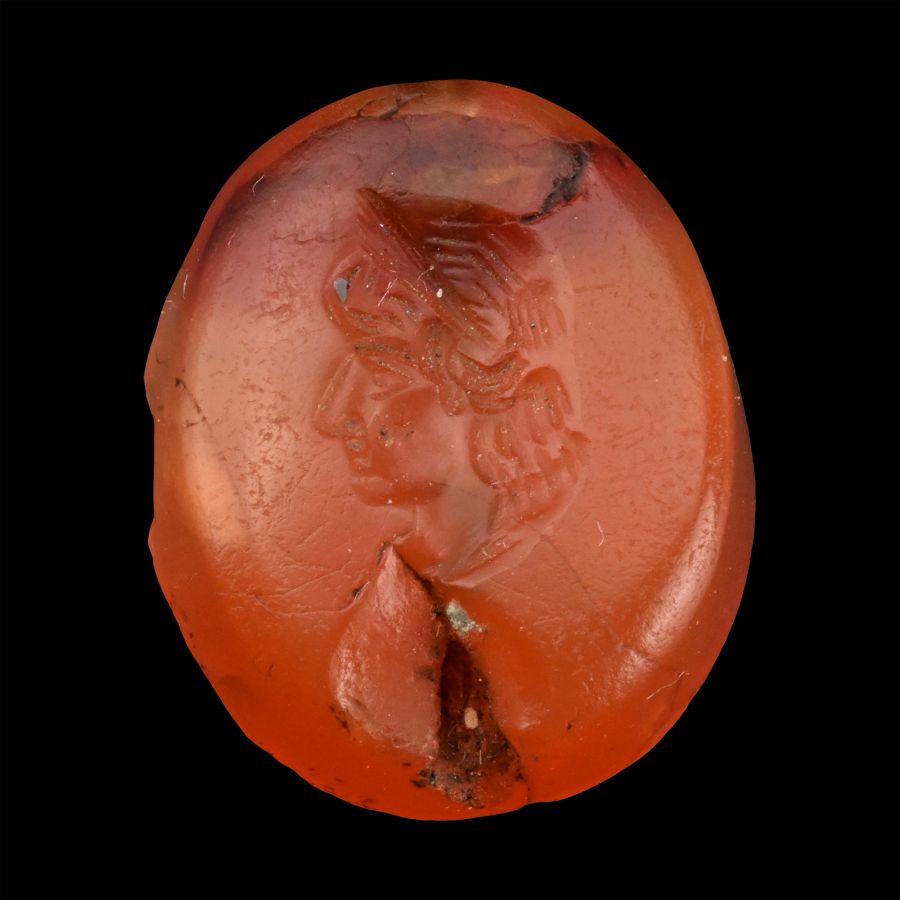
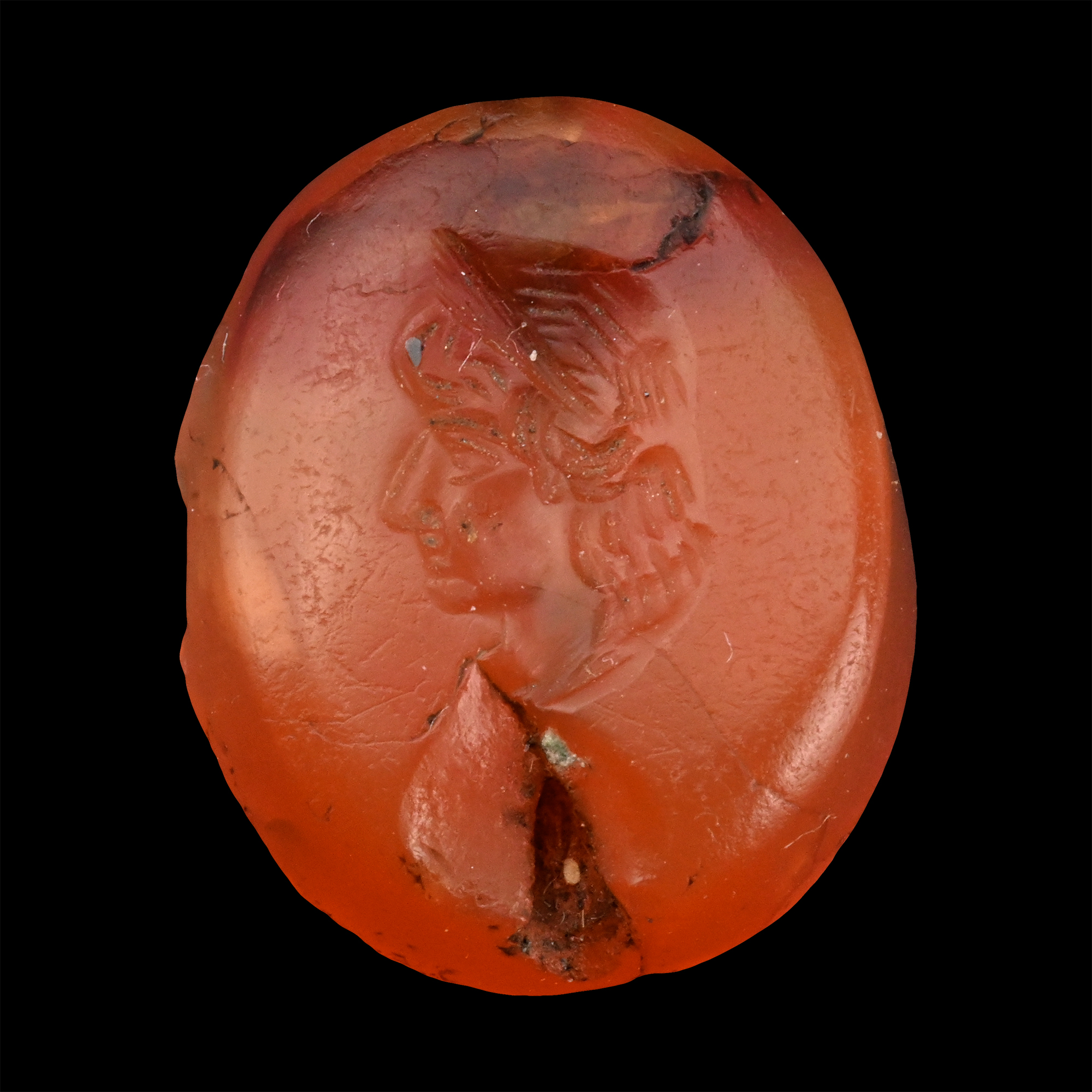
Western Asiatic Carnelian Portrait Gemstone Seal
1ST CENTURY B.C.-1ST CENTURY A.D.
3/4 in. (3.48 grams, 20 mm).
Ellipsoidal in plan and plano-convex in section with tondo, incuse profile bust with brow band; chipped.
ProvenanceFrom the collection of a gentleman, acquired on the London art market in the 1990s.
CONDITIONTimeLine Auctions follows a vetting process to ensure the authenticity and legality of all items, reinforcing our commitment to integrity and responsible trading. Each antiquity, antique, and coin lot undergoes thorough examination by a vetting committee of at least ten external specialists, professional trade association members, scientists, and archaeologists: Our Vetting Process
AUCTIONS:
TimeLine is a leading auction house specialising in antiquities, ancient art, collectables, natural history, coins, medals, and books. Our auctions offer museums, collectors, historians, and enthusiasts the opportunity to acquire unique and historically significant pieces.
LOT 1605
Western Asiatic Carnelian Portrait Gemstone Seal
Estimate £200 - 300€230 - 350 (for guidance only)$270 - 410 (for guidance only)
-
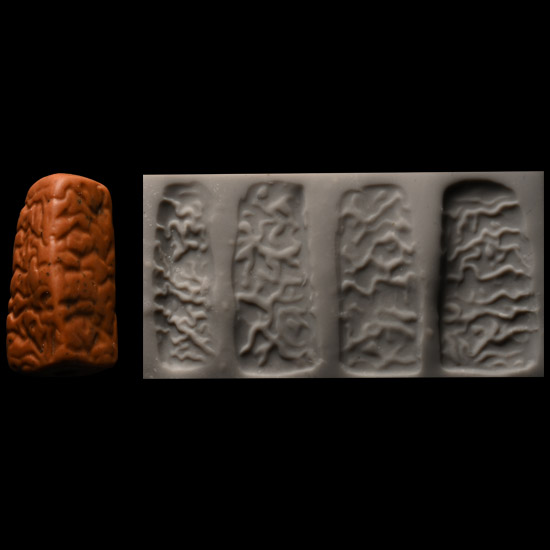
Western Asiatic Red Jasper Pillar Stamp Seal with Animals
2nd millennium B.C.Sold for (Inc. bp): £78
Square in section with frieze of animals and other motifs on each face. 5.00 grams, 23.91 mm
From the private collection of a European gentleman (1942-2024), formed since the 1970s. -
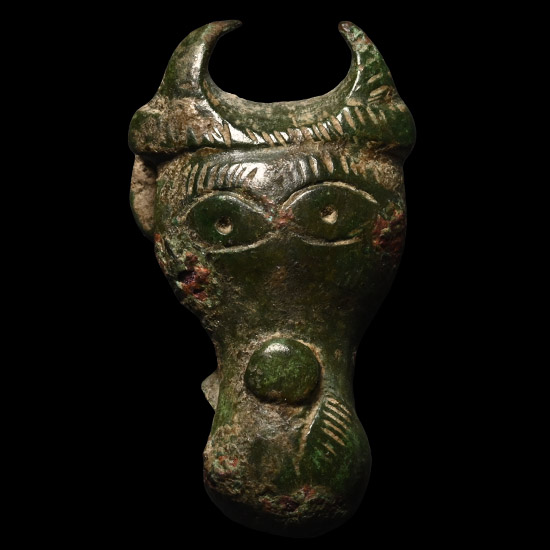
Western Asiatic Bronze Bull's Head Mount
1st millennium B.C.Sold for (Inc. bp): £52
Modelled in the half-round with large lentoid eyes and small crescentic horns; stud through the muzzle and a loop behind the horns. 5.59 grams, 25.3 mm
From the private collection of a European gentleman (1942-2024), formed since the 1970s. -
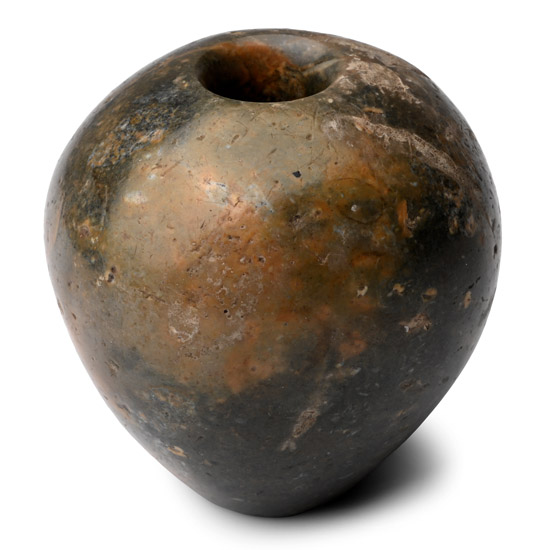
Mesopotamian Carved Stone Macehead
3rd-2nd millennium B.C.Estimate: £250 - 350 (+bp*)
Opening Bid: £125
Ovoid in form with a circular socket. 232 grams, 59 mm
Acquired in the late 1980s-early 1990s. Private collection, London.
