
Loading, please wait...
LOT 1779
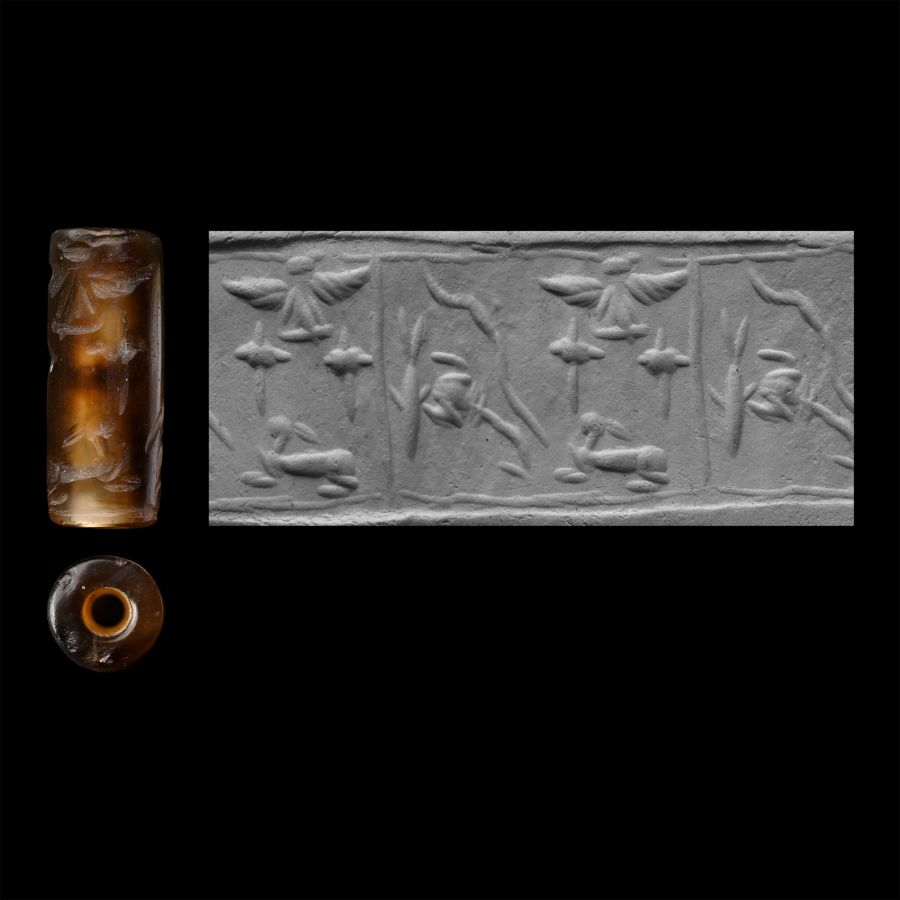
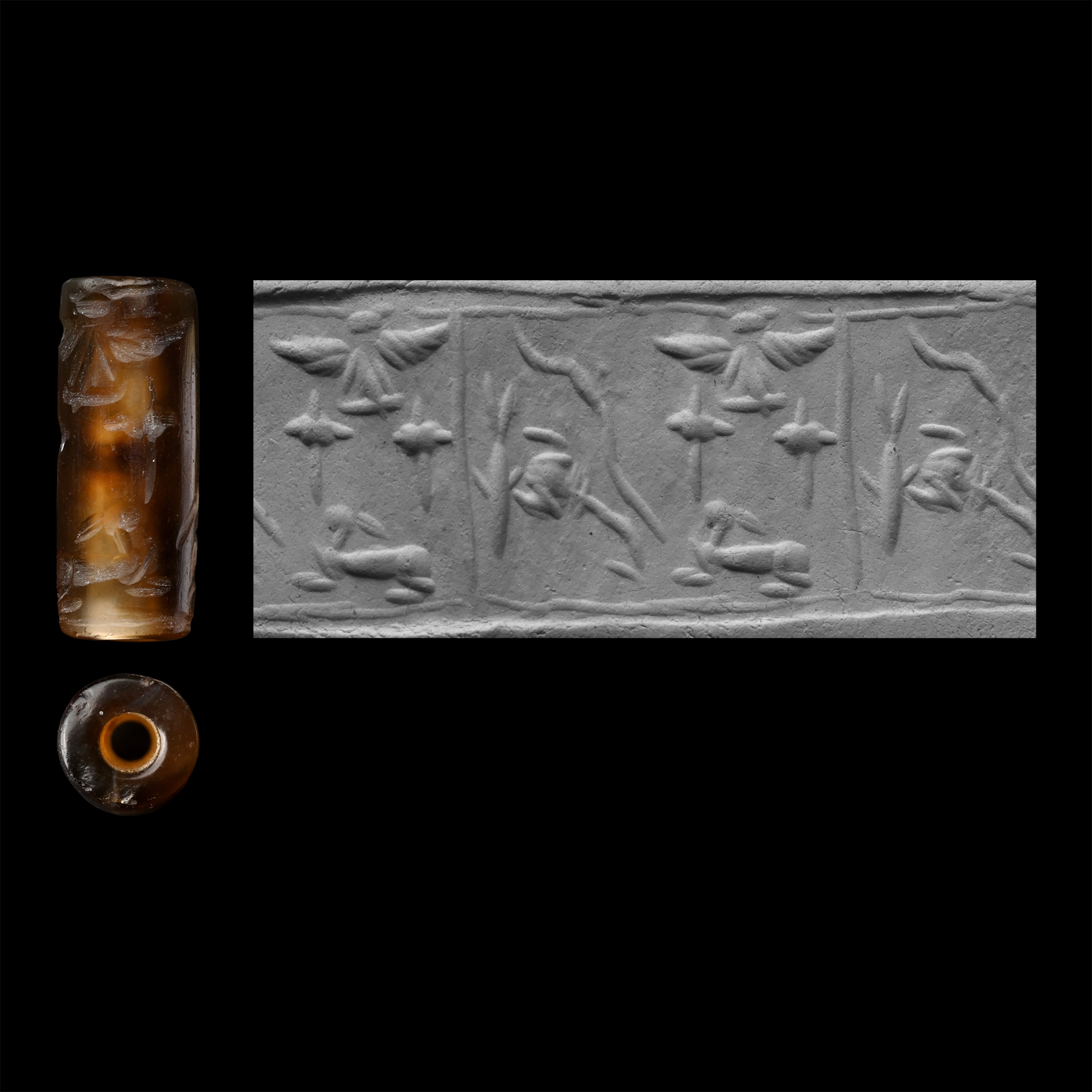
Western Asiatic Carnelian Cylinder Seal with Animals
2ND-1ST MILLENNIUM B.C.
1/2 in. (0.68 grams, 13.97 mm).
Frieze with bird in flight above a crouching quadruped, among trees; supplied with a museum-quality impression. [No Reserve]
ProvenanceFrom the private collection of a European gentleman (1942-2024), formed since the 1970s.
CONDITIONTimeLine Auctions follows a vetting process to ensure the authenticity and legality of all items, reinforcing our commitment to integrity and responsible trading. Each antiquity, antique, and coin lot undergoes thorough examination by a vetting committee of at least ten external specialists, professional trade association members, scientists, and archaeologists: Our Vetting Process
AUCTIONS:
TimeLine is a leading auction house specialising in antiquities, ancient art, collectables, natural history, coins, medals, and books. Our auctions offer museums, collectors, historians, and enthusiasts the opportunity to acquire unique and historically significant pieces.
-
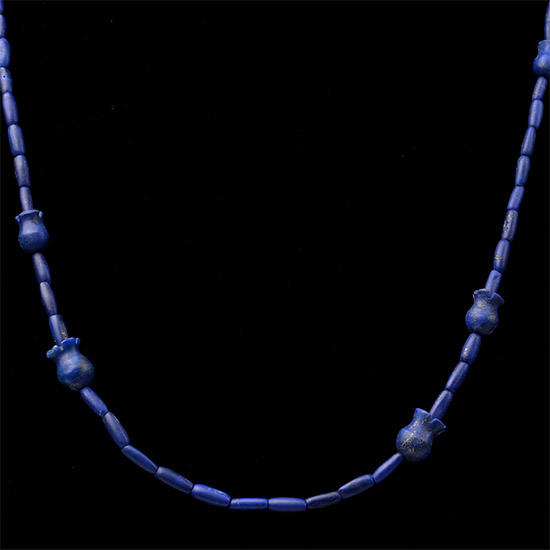
Western Asiatic Style Lapis Lazuli Bead Necklace String
20th century A.D.Sold for (Inc. bp): £20
Composed of slender oval beads and with eight poppy seed-shaped beads; restrung. 19.6 grams, 56 cm
Ex London, UK, art market 1990s. -
.jpg)
Western Asiatic Black Terracotta Cuneiform Tablet
2nd millennium B.C.Estimate: £1,200 - 1,700 (‡+bp*)
Opening Bid: £600
Pillow-shaped with columnar ribbing to the broad faces, dense cuneiform text in the columns. 57.2 grams, 63 mm
Private collection of Mr K., Maryland, USA. Private collection, Switzerland, acquired in 2000. This lot has been checked against the Interpol Database of stolen works of art and is accompanied by a search certificate number no.12893-241757.
The 2nd millennium B.C. (about 2000–1000 B.C.) was an important period in the ancient Near East, when major civilisations such as the Babylonians, Assyrians, Hittites, and Egyptians grew in power and influence. It was a time of progress in trade, government, law, and writing, helping us understand how people lived and worked. Cuneiform tablets, which are small clay tablets written in one of the earliest writing systems, were widely used to record business, legal matters, letters, and stories. When these tablets are found outside their place of origin, it can show connections through trade, travel, or official communication, offering insight into both the ancient world and how such objects later moved through collections. -
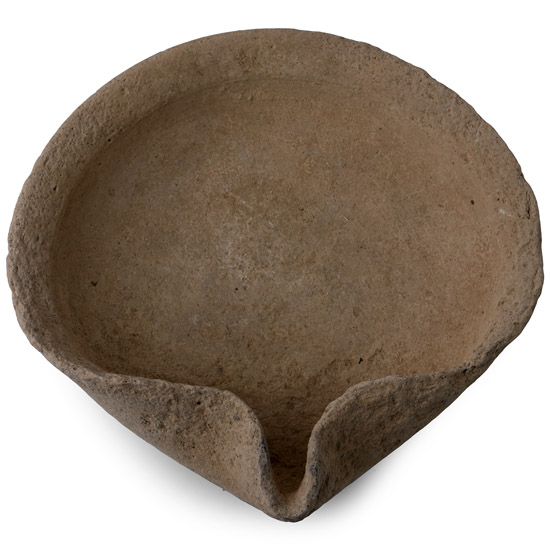
Very Large Holy Land Terracotta Pinched Rim Oil Lamp
Iron Age, late 1st millennium B.C.Sold for (Inc. bp): £59
Discoid in plan with flange rim and sidewall pinched to form a nozzle 425 grams, 18.4 cm
From the private collection of Mr Brian Edwards, New Malden, Surrey, UK, formed from the late 1970s-early 1980s; thence by descent, with collector's reference no.A26.
