
Loading, please wait...
LOT 1107
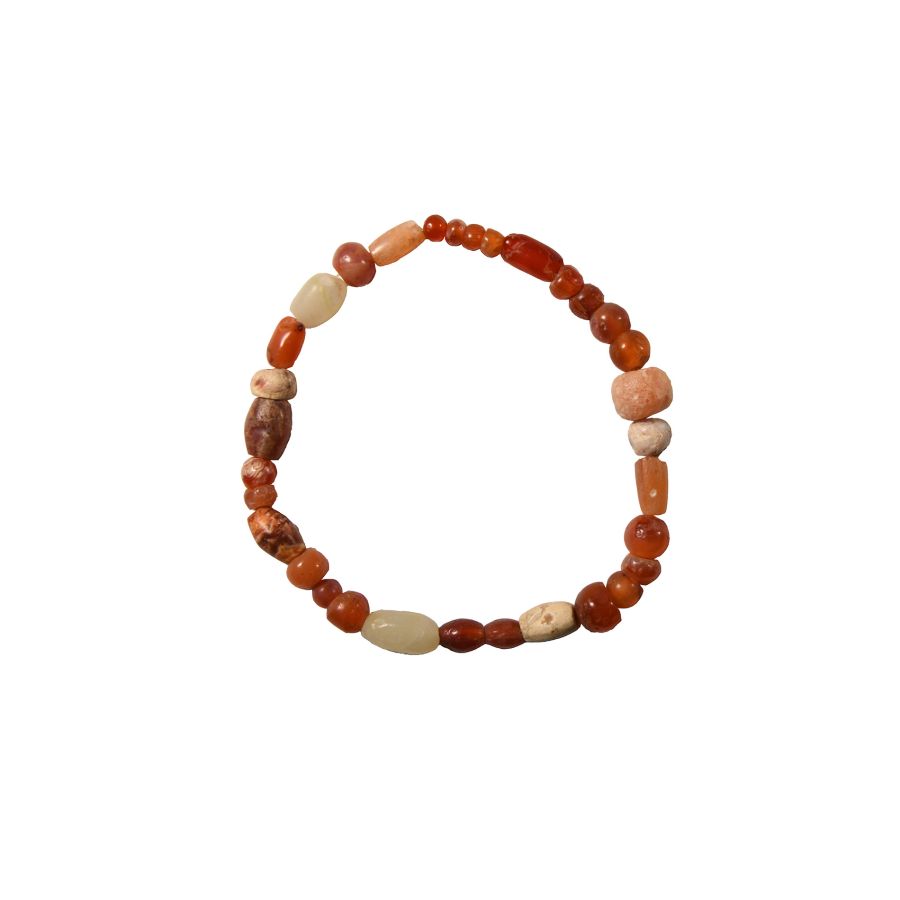
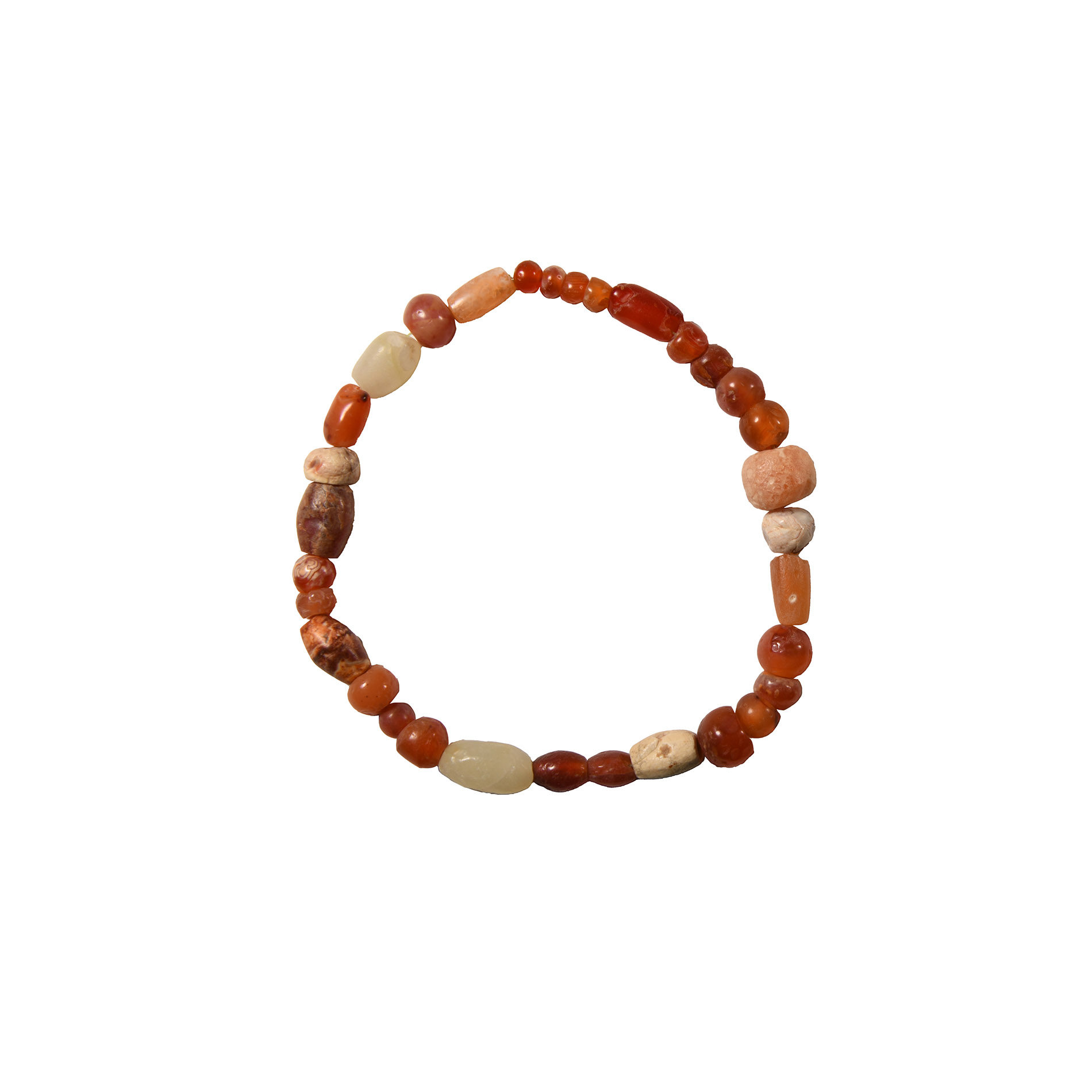
Western Asiatic Carnelian Bead Bracelet String
1ST MILLENNIUM B.C. AND LATER
9 1/2 in. (15.2 grams, 24 cm long).
Restrung; composed of graduated and polished beads of mainly spherical and oval types and mainly carnelian. [No Reserve]
ProvenanceUK gallery, early 2000s.
CONDITIONTimeLine Auctions follows a vetting process to ensure the authenticity and legality of all items, reinforcing our commitment to integrity and responsible trading. Each antiquity, antique, and coin lot undergoes thorough examination by a vetting committee of at least ten external specialists, professional trade association members, scientists, and archaeologists: Our Vetting Process
AUCTIONS:
TimeLine is a leading auction house specialising in antiquities, ancient art, collectables, natural history, coins, medals, and books. Our auctions offer museums, collectors, historians, and enthusiasts the opportunity to acquire unique and historically significant pieces.
-
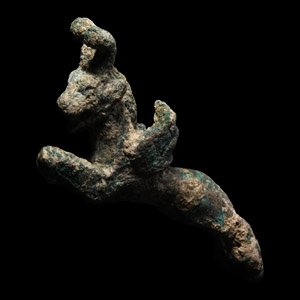
Western Asiatic Bronze Leaping Horned and Winged Lion
Mid 1st millennium B.C.Estimate: £300 - 400 (+bp*)
Opening Bid: £150
With small wings and curved horns; possibly Kushan. 160 grams, 11.8 cm
Fair condition, one wing chipped.
London collection since the 1980s. Property of a Canadian family. -
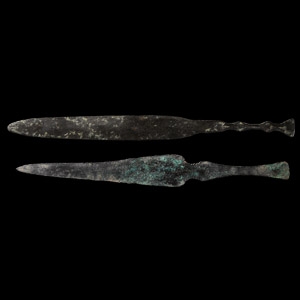
Luristan Bronze Dagger Pair
13th-7th century B.C.Sold for (Inc. bp): £143
Comprising two thin flat leaf-shaped blades with integral handles. 38 grams total, 17.5-18.5 cm
Ex old English collection. London art market, 1980s. -
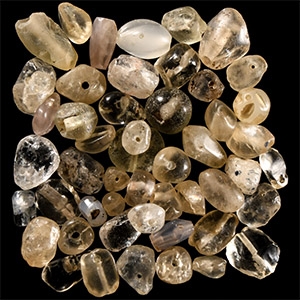
Western Asiatic Rock Crystal and Other Necklace Bead Collection
1st millennium B.C. and laterSold for (Inc. bp): £156
Including polished types and including spherical, facetted, amorphous and other shapes. 43 grams total, 5-17 mm
UK gallery, early 2000s.
