
Loading, please wait...
LOT 1063
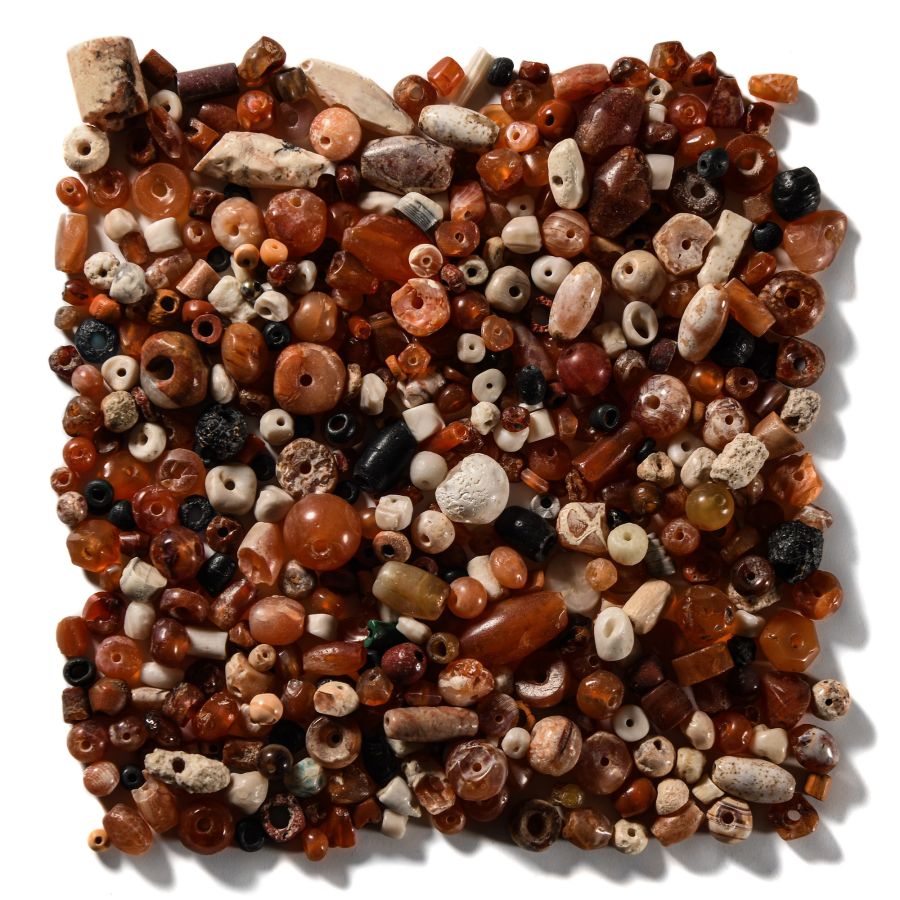
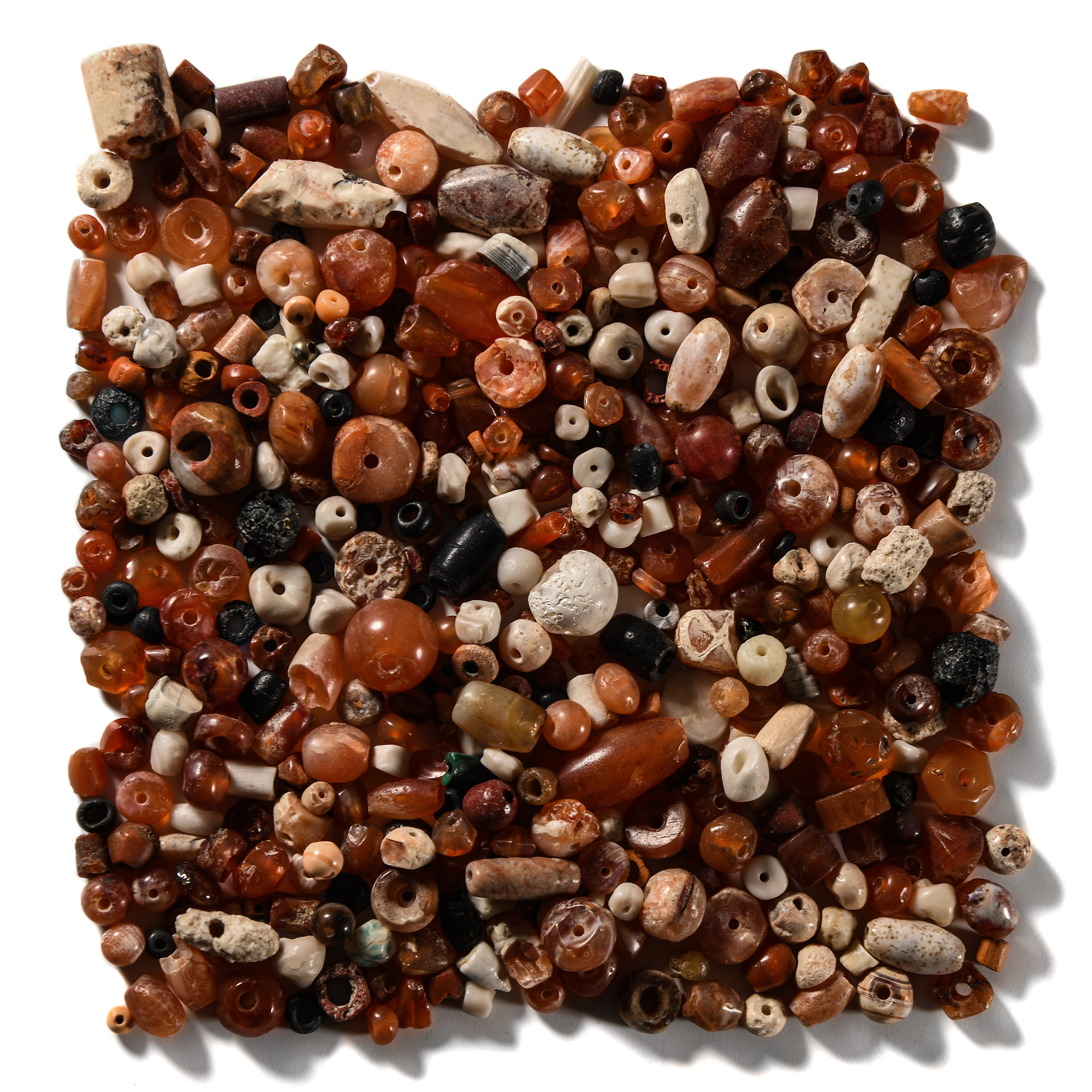
Western Asiatic Carnelian and Other Bead Collection
1ST MILLENNIUM B.C. AND LATER
1/8 - 3/4 in. (108 grams total, 4-19 mm).
Comprising several hundred mixed small beads, mostly round or tubular forms, in red carnelian and other materials; all pierced for stringing. [478]
ProvenanceUK gallery, early 2000s.
CONDITIONTimeLine Auctions follows a vetting process to ensure the authenticity and legality of all items, reinforcing our commitment to integrity and responsible trading. Each antiquity, antique, and coin lot undergoes thorough examination by a vetting committee of at least ten external specialists, professional trade association members, scientists, and archaeologists: Our Vetting Process
AUCTIONS:
TimeLine is a leading auction house specialising in antiquities, ancient art, collectables, natural history, coins, medals, and books. Our auctions offer museums, collectors, historians, and enthusiasts the opportunity to acquire unique and historically significant pieces.
-
.jpg)
Western Asiatic Religious Vellum Manuscript Page Fragment
Circa 12th-14th century A.D.Sold for (Inc. bp): £234
Irregular fragment with seven partial lines of text in black Naskh script. 154 grams total, 18 x 13 cm including frame
Acquired 1970s-1996. Property of a North American collector. London collection, 2016. -
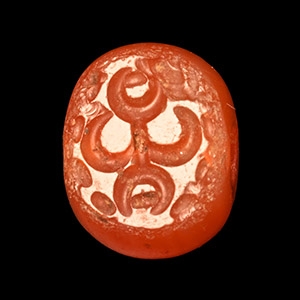
Sassanian Carnelian Stamp Seal
3rd-7th century A.D.Sold for (Inc. bp): £72
Composed of a small plano-convex body engraved with a ritualistic figure or symbol to the base; drilled for suspension. 1.19 grams, 10 mm
UK gallery, early 2000s. -
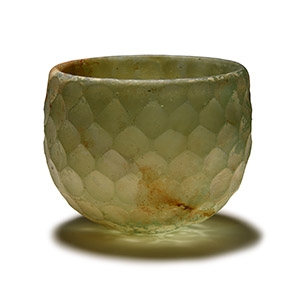
Sassanian Green Cut-Glass Cup
6th-7th century A.D.Sold for (Inc. bp): £2,340
Translucent with a roughly U-shaped cross-section, graduated decorative wheel-cut facets composed of larger circles to the base, followed by smaller ovals, lozenges and fan-shapes towards the neck. 185 grams, 91 mm
London art market, 1986. This lot has been checked against the Interpol Database of stolen works of art and is accompanied by search certificate number no.11887-206403.
