
Loading, please wait...
LOT 1420
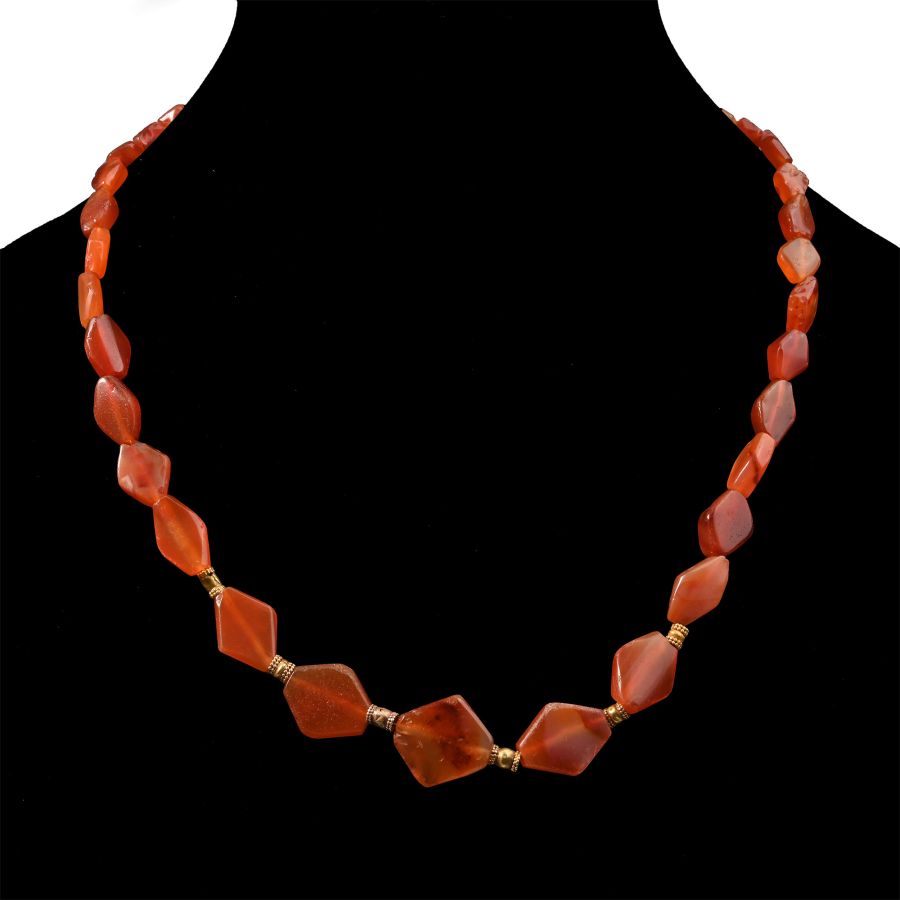
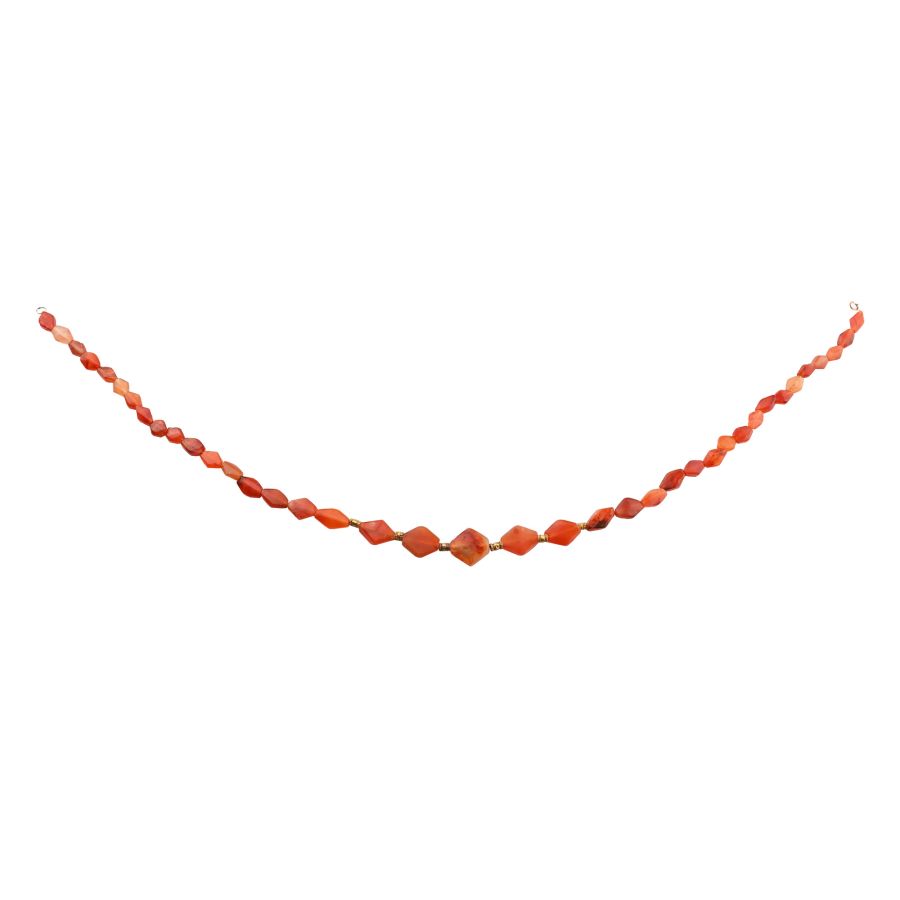
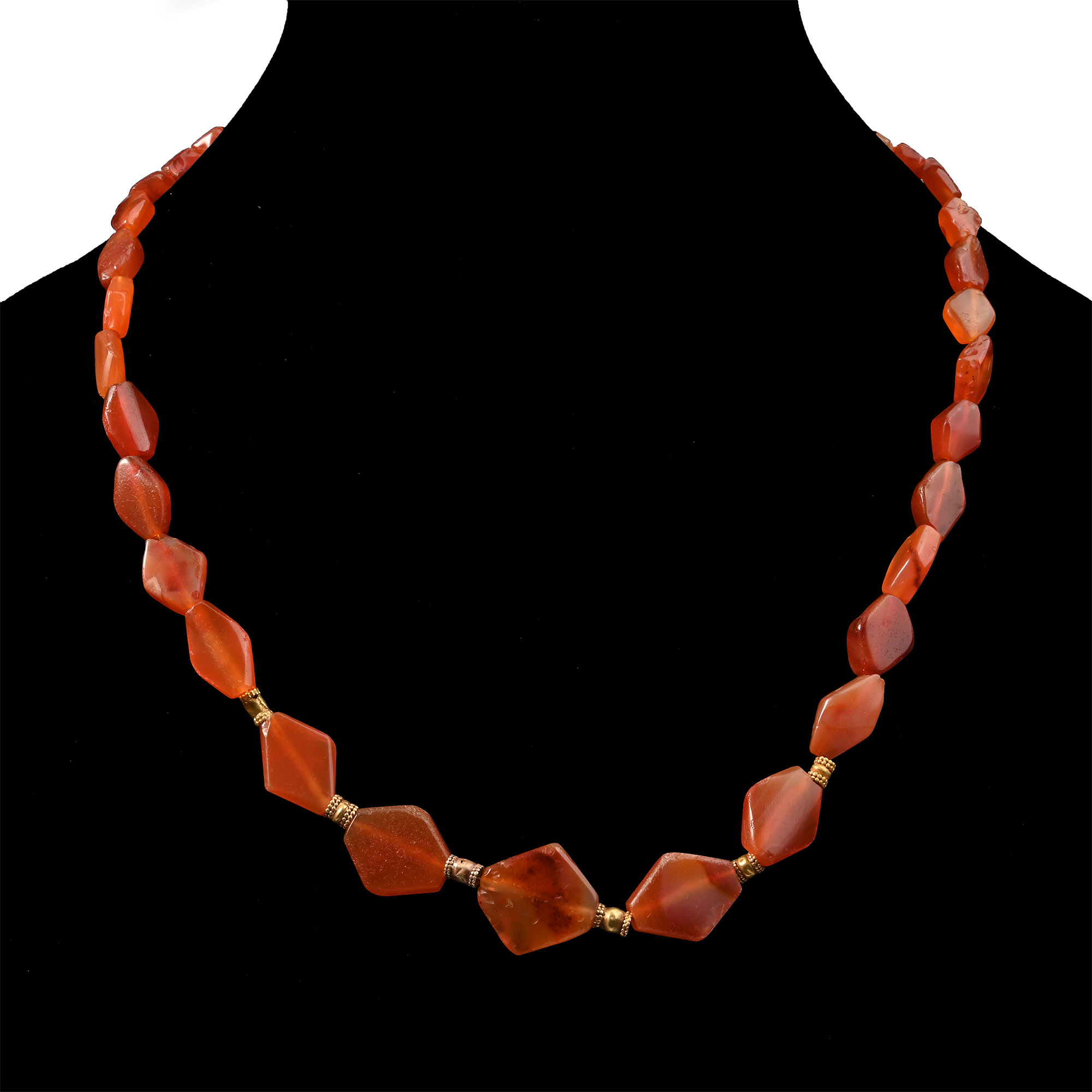
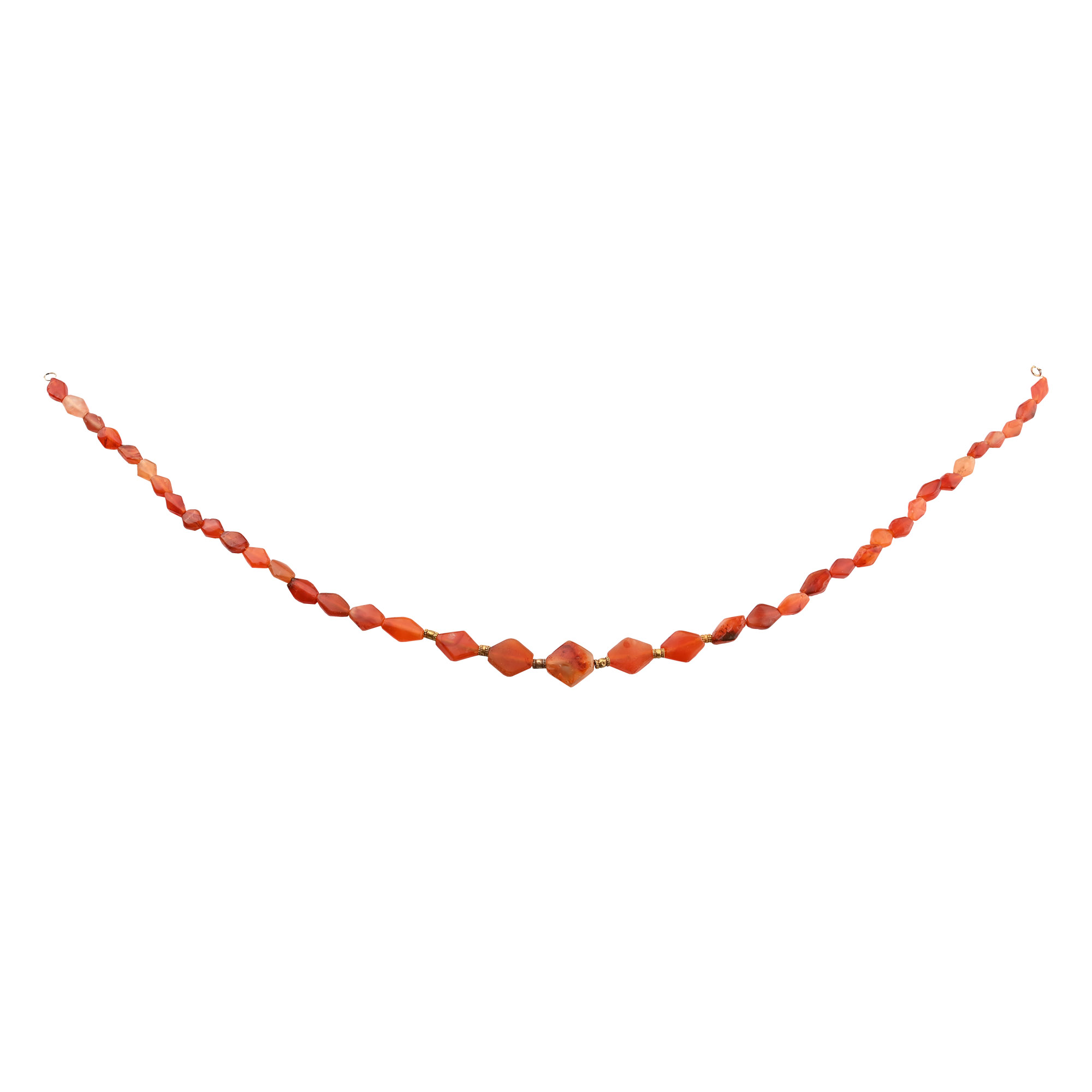
Western Asiatic Carnelian and Gold Bead Necklace
LATE 1ST MILLENNIUM B.C. AND LATER
21 5/8 in. (45.5 grams, 55 cm).
Restrung group of tabular, fusiform and other carnelian beads, including some glass beads, with granulated tubular gold collar spacers between.
ProvenanceFrom the collection of a late Japanese gentleman, 1970s onwards.
CONDITIONTimeLine Auctions follows a vetting process to ensure the authenticity and legality of all items, reinforcing our commitment to integrity and responsible trading. Each antiquity, antique, and coin lot undergoes thorough examination by a vetting committee of at least ten external specialists, professional trade association members, scientists, and archaeologists: Our Vetting Process
AUCTIONS:
TimeLine is a leading auction house specialising in antiquities, ancient art, collectables, natural history, coins, medals, and books. Our auctions offer museums, collectors, historians, and enthusiasts the opportunity to acquire unique and historically significant pieces.
LOT 1420
Western Asiatic Carnelian and Gold Bead Necklace
Estimate £600 - 800€700 - 930 (for guidance only)$810 - 1,080 (for guidance only)
-
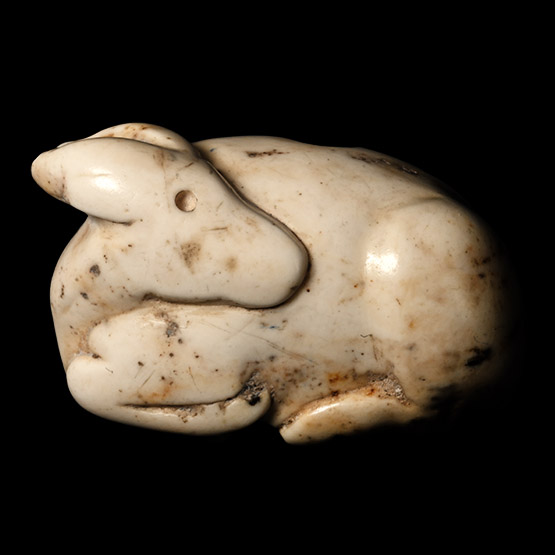
Jemdet Nasr Type Marble Gazelle Seal
Circa 3000 B.C.Estimate: £1,500 - 2,000 (‡+bp*)
Opening Bid: £750
Plano-convex in section with ellipsoid body, high-relief legs and reversed head; underside with incuse animal motifs. 11.08 grams, 31 mm
Private collection, acquired in the late 1980s-early 1990s; thence by descent. -
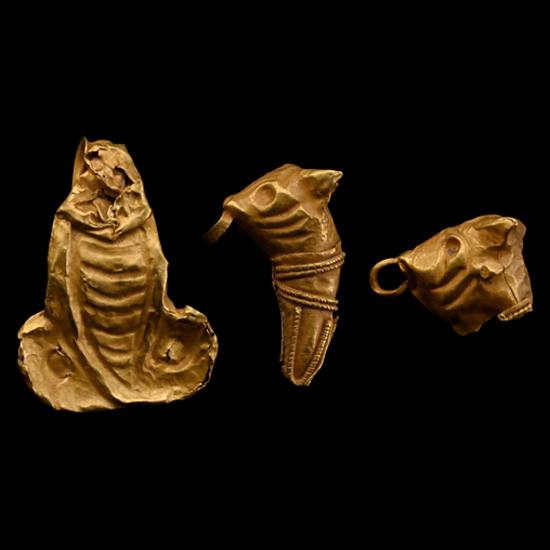
Western Asiatic Gold Pendant Group
Late 1st millennium B.C.Sold for (Inc. bp): £234
Comprising hollow-formed animal heads and others. 0.93 grams total, 8-14 mm
From the collection of a gentleman, acquired on the London art market in the 1990s. -
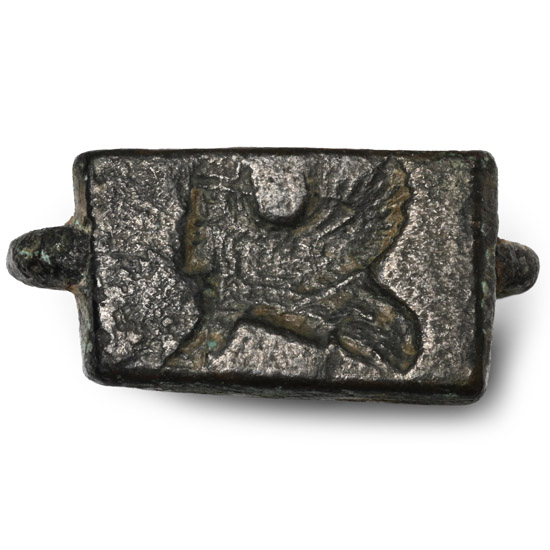
Western Asiatic Bronze Seal with Gryphon
1st millennium B.C.Sold for (Inc. bp): £59
Rectangular block with recurved wire handle; incuse profile gryphon motif. 4.31 grams, 19 mm
Ex London, UK, gentleman's collection by descent, 1980s.
