
Loading, please wait...
LOT 1529
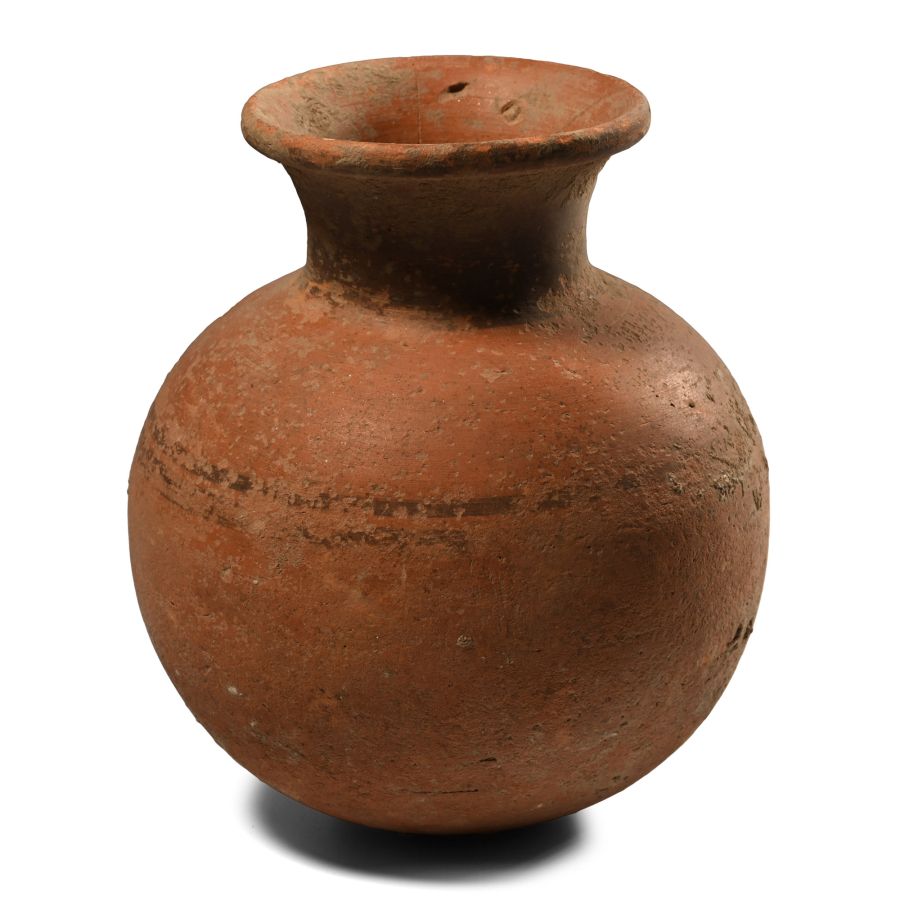
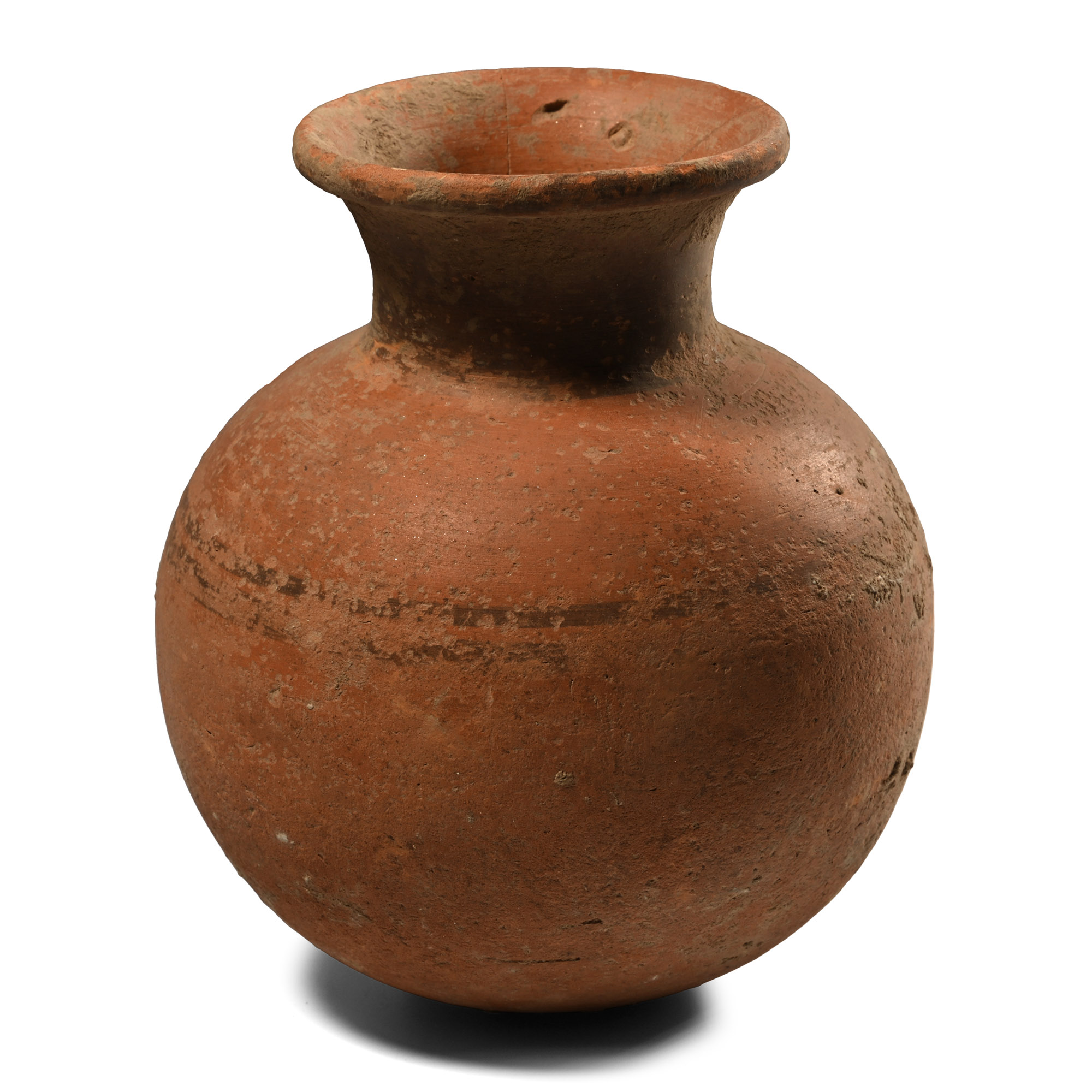
Western Asiatic Bulbous Terracotta Jar
1ST MILLENNIUM B.C.
6 3/8 in. (522 grams, 16.2 cm).
Comprising a globular body with circumferential painted bands at the equator, trumpet-shaped neck and mouth.
ProvenanceFrom the collection of a London, UK, gentleman, 1990s.
This lot has been cleared against the Art Loss Register database, and is accompanied by an illustrated lot declaration signed by the Head of the Antiquities Department, Dr Raffaele D'Amato.
TimeLine Auctions follows a vetting process to ensure the authenticity and legality of all items, reinforcing our commitment to integrity and responsible trading. Each antiquity, antique, and coin lot undergoes thorough examination by a vetting committee of at least ten external specialists, professional trade association members, scientists, and archaeologists: Our Vetting Process
AUCTIONS:
TimeLine is a leading auction house specialising in antiquities, ancient art, collectables, natural history, coins, medals, and books. Our auctions offer museums, collectors, historians, and enthusiasts the opportunity to acquire unique and historically significant pieces.
LOT 1529
Western Asiatic Bulbous Terracotta Jar
Estimate £150 - 200€170 - 230 (for guidance only)$200 - 270 (for guidance only)
-
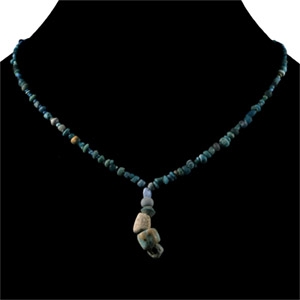
Achaemenid Turquoise Blue Glass Bead Necklace String
6th-4th century B.C. and laterSold for (Inc. bp): £27
Composed of variously shaped beads restrung to a Y-shape, the drop composed of larger beads including a melon bead. 8.67 grams, 34 cm
Acquired 1980-2015. Ex Abelita family collection. This lot has been cleared against the Art Loss Register database, and is accompanied by an illustrated lot declaration signed by the Head of the Antiquities Department, Dr Raffaele D'Amato. -
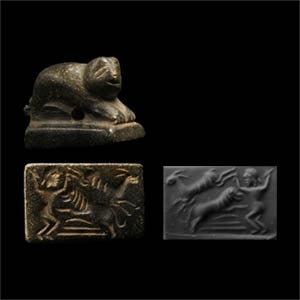
Anatolian Stone Stamp Seal with Hunting Scene
1st millennium B.C.Sold for (Inc. bp): £364
Carved in the round crouching lion with head slightly turned, on a rectangular base; intaglio beast-tamer scene to underside with running human figure wielding a knife, leaping gazelle above a pouncing lion, objects in the field. 12.7 grams, 24 mm
From the collection of Mr S.M., London, UK, formed from 1979-1999. This lot has been cleared against the Art Loss Register database, and is accompanied by an illustrated lot declaration signed by the Head of the Antiquities Department, Dr Raffaele D'Amato. -
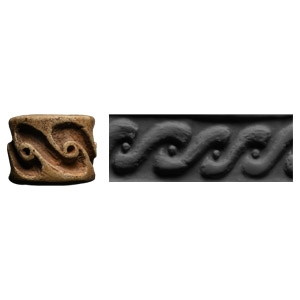
Jemdet Nasr Type Stone Cylinder Seal with Geometric Motifs
Circa 3200-3000 B.C.Sold for (Inc. bp): £286
Engraved with a continuous wave design and drilled pellets. 5.25 grams, 18 mm
UK private collection before 2000. Acquired on the UK art market. Property of a London gentleman. This lot has been cleared against the Art Loss Register database, and is accompanied by an illustrated lot declaration signed by the Head of the Antiquities Department, Dr Raffaele D'Amato.
