
Loading, please wait...
LOT 1333
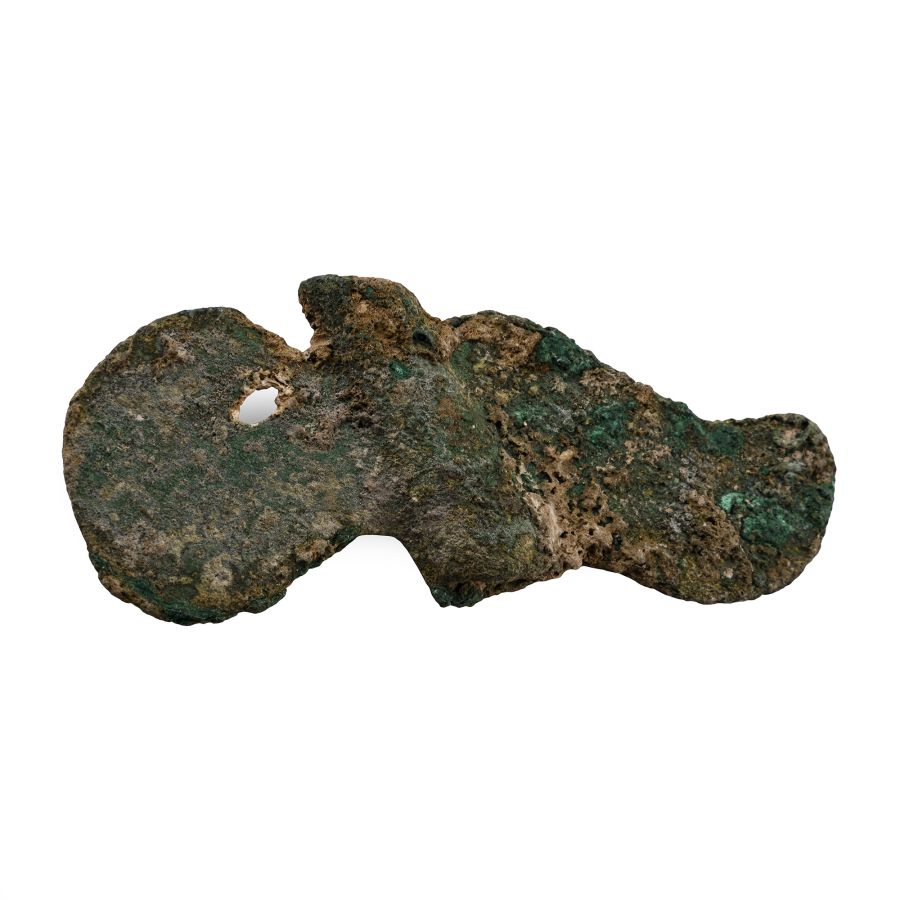
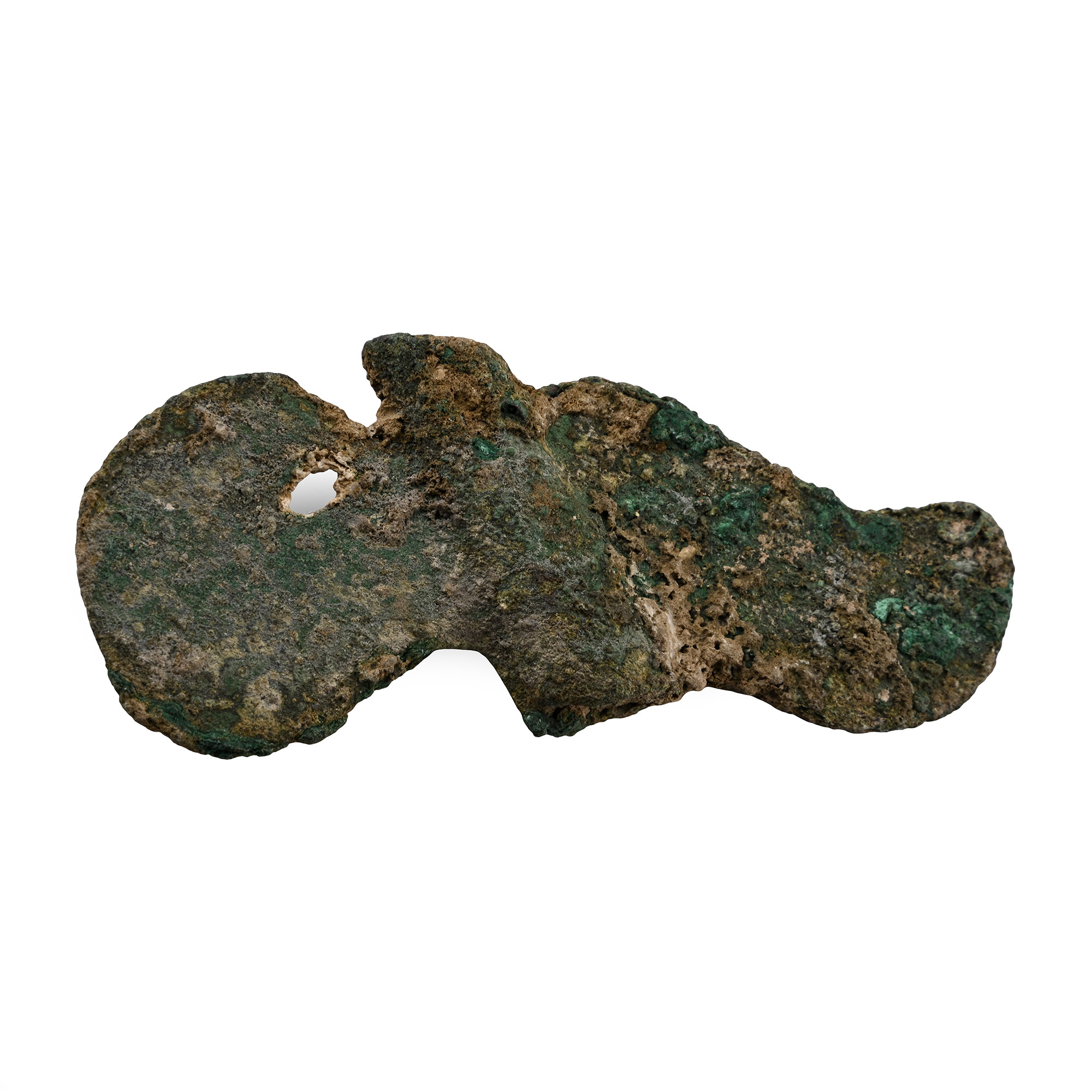
Western Asiatic Bronze Votive Axehead
1ST MILLENNIUM B.C.
3 1/4 in. (39.7 grams, 83 mm).
With a curving blade and a round, tabular extension to the rear of the socket. [No Reserve]
ProvenanceAcquired on the UK art market before 2000.
Property of an Essex, UK, gentleman.
TimeLine Auctions follows a vetting process to ensure the authenticity and legality of all items, reinforcing our commitment to integrity and responsible trading. Each antiquity, antique, and coin lot undergoes thorough examination by a vetting committee of at least ten external specialists, professional trade association members, scientists, and archaeologists: Our Vetting Process
AUCTIONS:
TimeLine is a leading auction house specialising in antiquities, ancient art, collectables, natural history, coins, medals, and books. Our auctions offer museums, collectors, historians, and enthusiasts the opportunity to acquire unique and historically significant pieces.
-
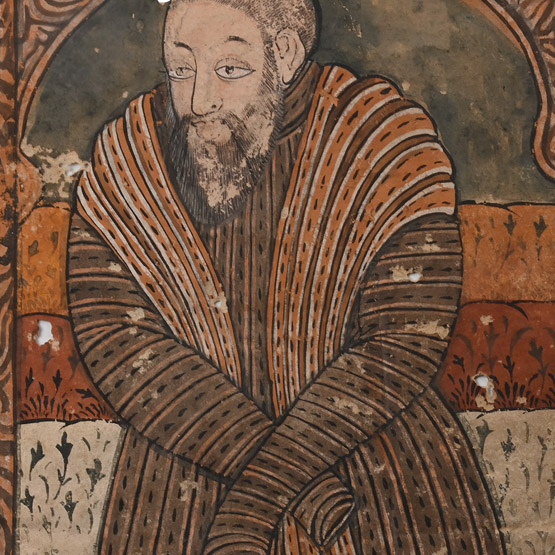
Persian Painted Dervish Man Miniature Leaf
20th century A.D.Sold for (Inc. bp): £156
Rectangular paper leaf with hand-painted scene of a standing figure in an arch with tendril detailing; the figure bearded with short hair, wearing an ankle-length banded tunic and shawl; edges chipped; supplied with old card mount. 54 grams, 20.5 x 13.3 cm
Private collection, UK. -
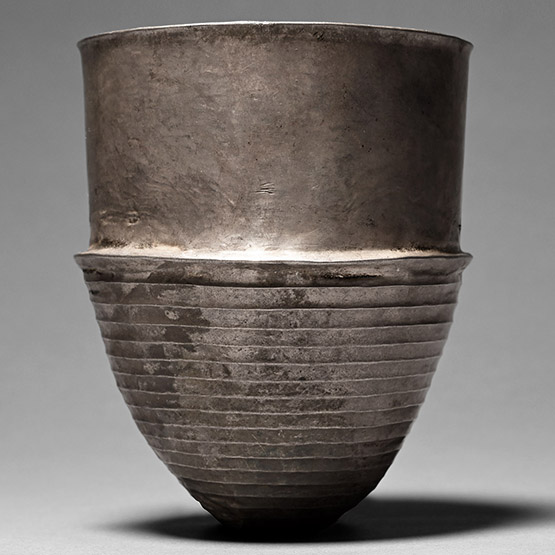
Indo-Parthian Silver Carinated Cup
Circa late 1st century B.C.-early 1st century A.D.Estimate: £2,000 - 3,000 (+bp*)
Opening Bid: £1,111
Formed from a single sheet, the ovoid base carinated with plain upper portion, slightly flared lip to the rim. 95 grams, 10.4 cm
Acquired from a private UK collection prior to 1979. Ex Julian Sherrier collection, a leading figure in Gandharan art. with Christie's, New York, sale 2337, 14th September 2010, no.56A (part). Accompanied by the original Christie's lot ticket. This lot has been checked against the Interpol Database of stolen works of art and is accompanied by search certificate number no.12961-244455.
The taste for beautifully decorated cups and drinking vessels was a hallmark of the later Seleucid Empire and early Arsacid Dynasty. Various beakers and cups were used by the Parthians according to the style of the Hellenized East. -
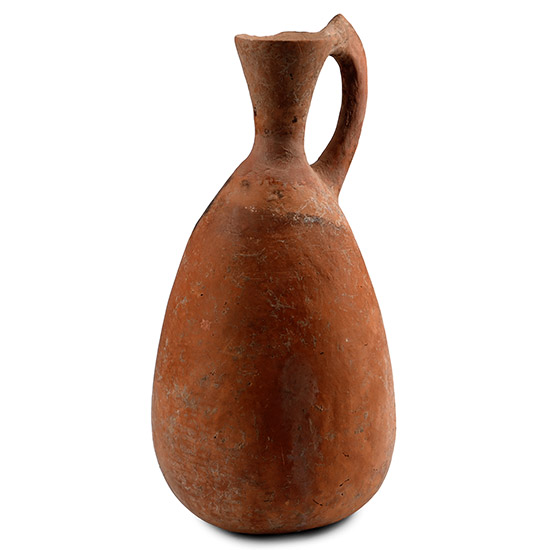
Amlash Pottery Jug with Zoomorphic Handle
1st millennium B.C.Sold for (Inc. bp): £117
Comprising a tall conical body and broad base with funicular mouth and loop handle. 756 grams, 26.8 cm
From the collection of a gentleman, 1988-2000s.
