
Loading, please wait...
LOT 0271
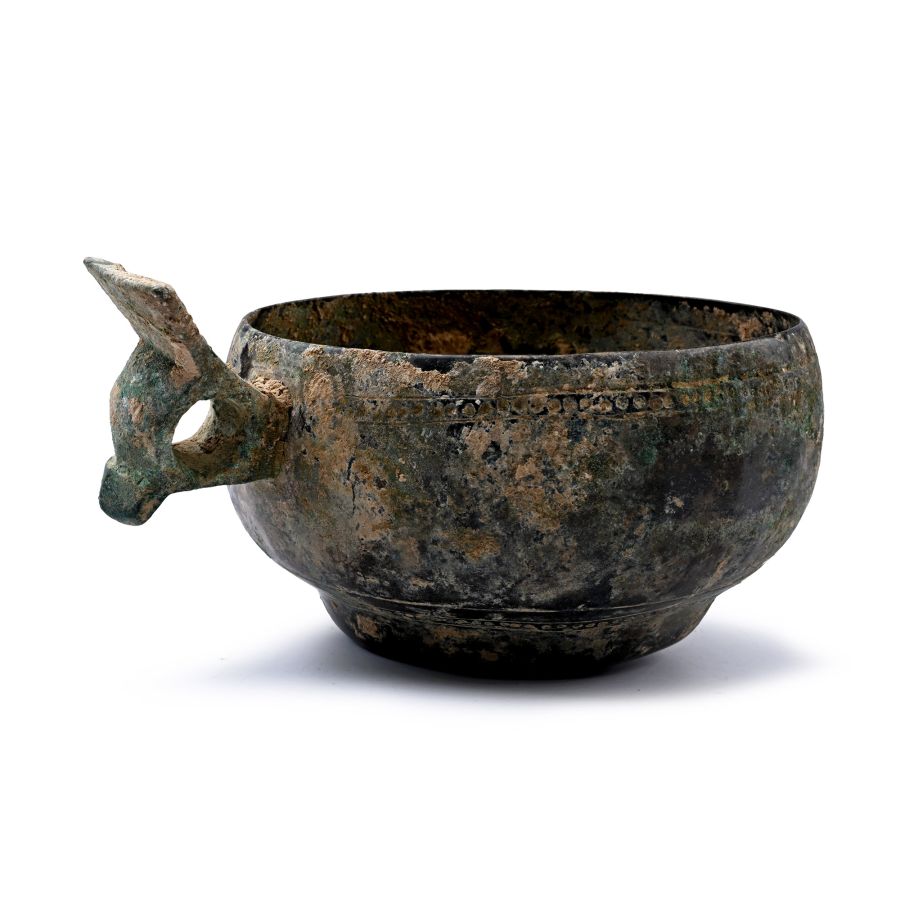
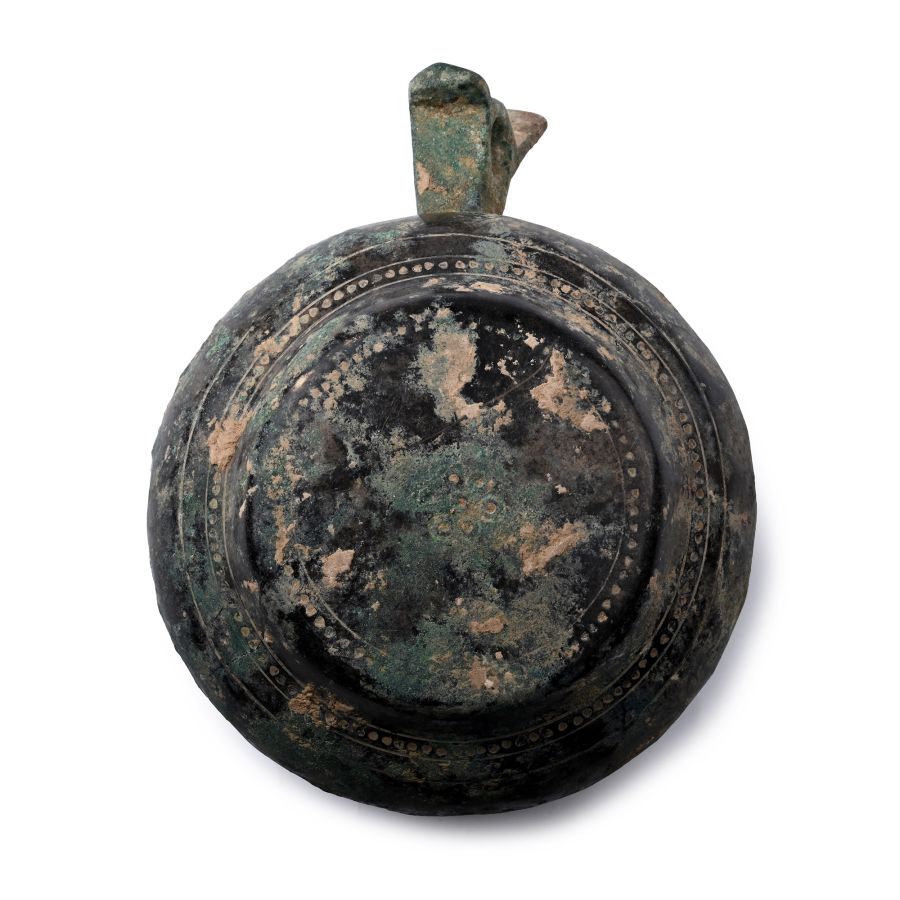
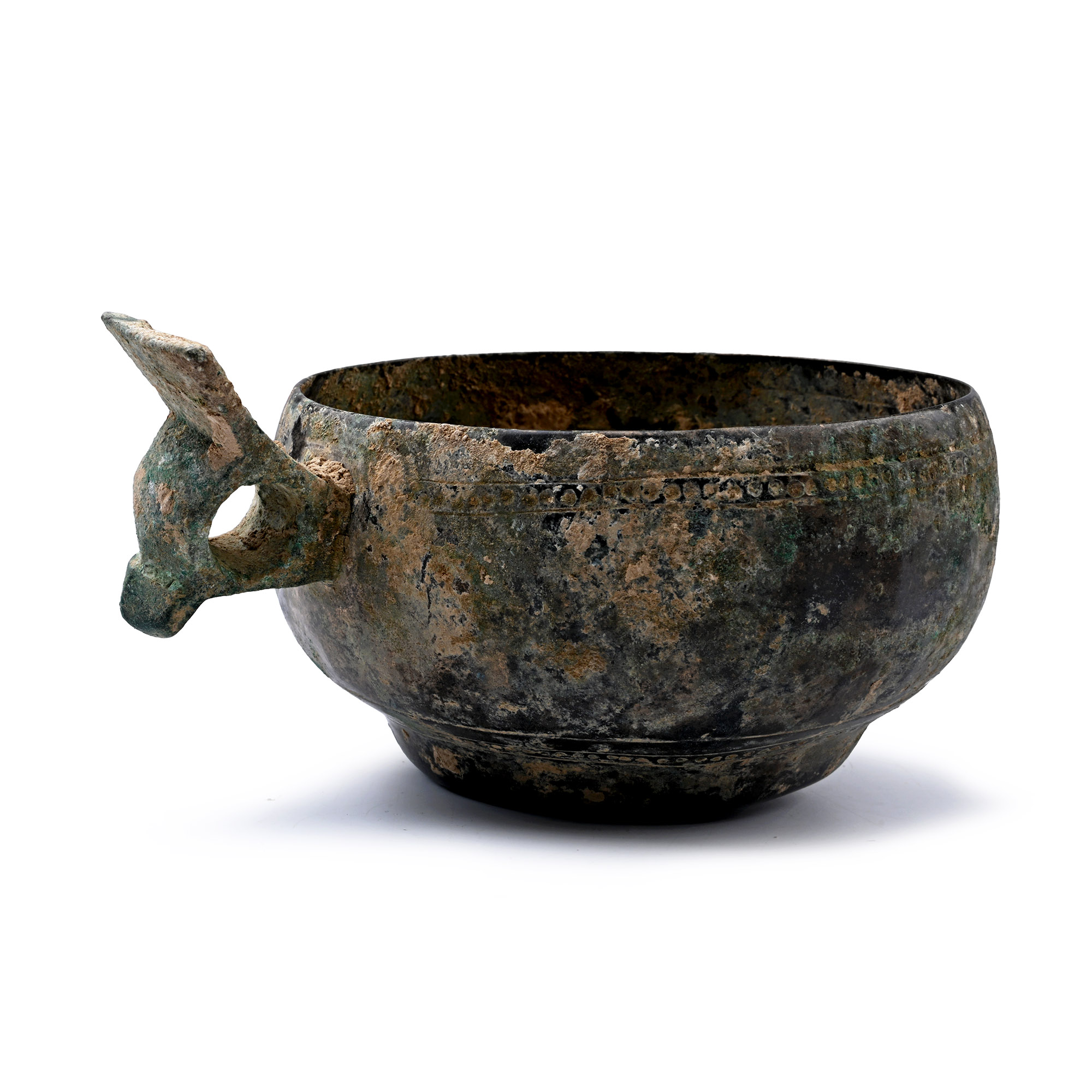
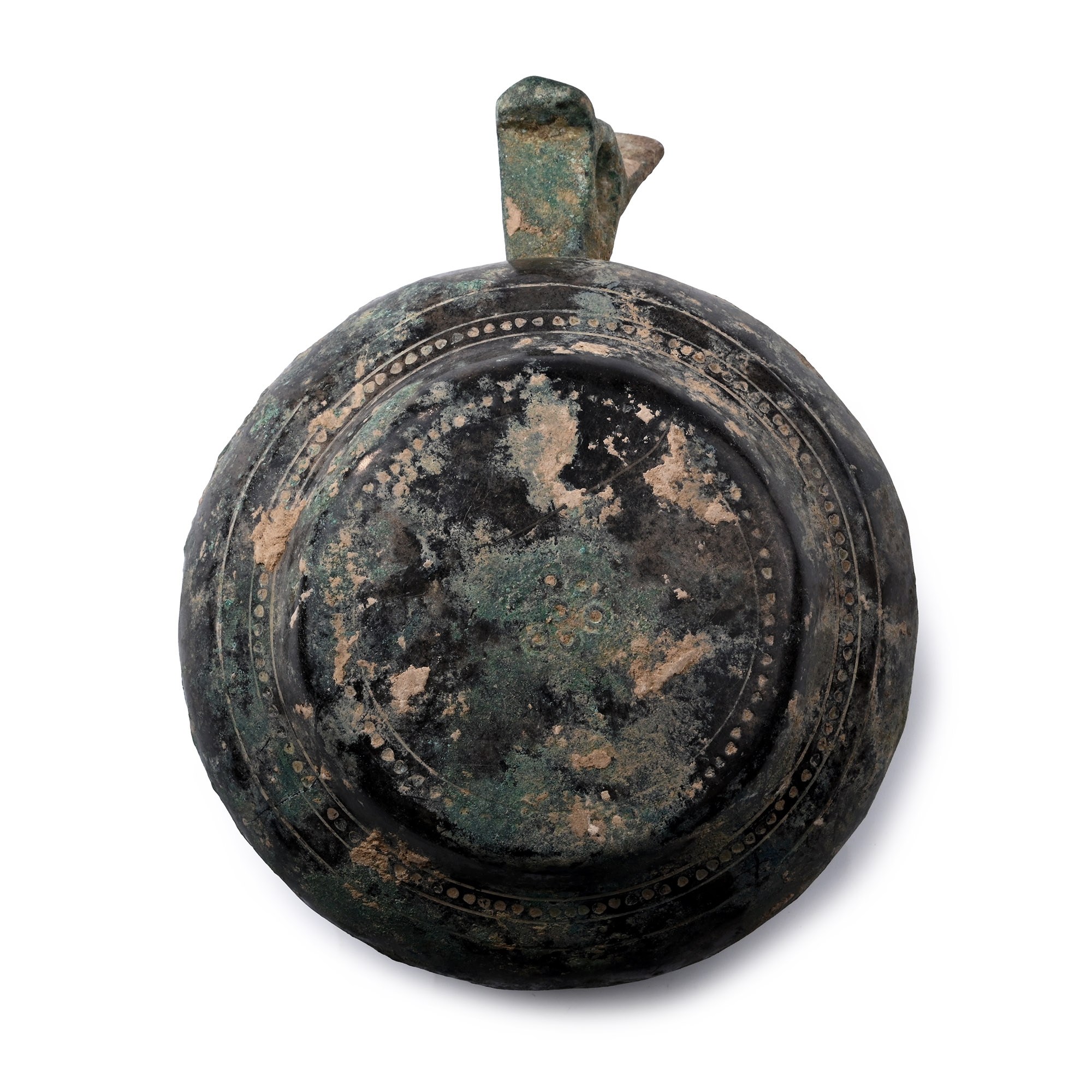
Western Asiatic Bronze Vessel with Animal Handle
1ST MILLENNIUM B.C.
6 1/2 in. (533 grams, 16.5 cm wide).
Squat in profile with drum-shaped body and repoussé base; circumferential bands of pellets beneath rim and above foot; applied loop handle with thumb-pad and spur beneath.
ProvenanceEx Abelita family collection, 1980s-2000s.
CONDITIONTimeLine Auctions follows a vetting process to ensure the authenticity and legality of all items, reinforcing our commitment to integrity and responsible trading. Each antiquity, antique, and coin lot undergoes thorough examination by a vetting committee of at least ten external specialists, professional trade association members, scientists, and archaeologists: Our Vetting Process
AUCTIONS:
TimeLine is a leading auction house specialising in antiquities, ancient art, collectables, natural history, coins, medals, and books. Our auctions offer museums, collectors, historians, and enthusiasts the opportunity to acquire unique and historically significant pieces.
-
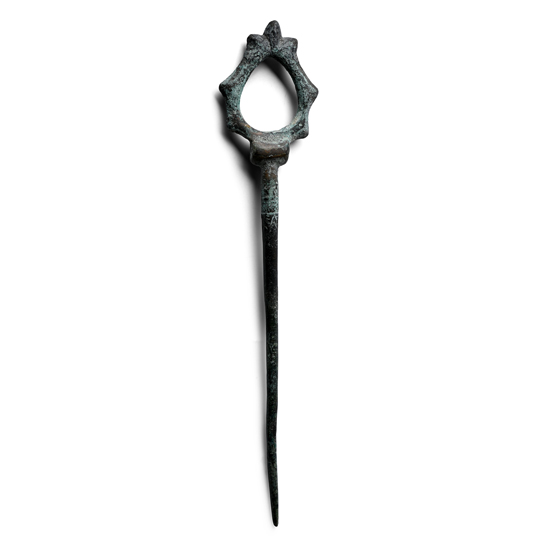
Western Asiatic Bronze Cloak Pin
Bronze Age, 2nd-1st millennium B.C.Sold for (Inc. bp): £72
Substantial pin with tapering round-section shaft and looped finial. 30 grams, 16.2 cm
From the private collection of a European gentleman (1942-2024), formed since the 1970s. -
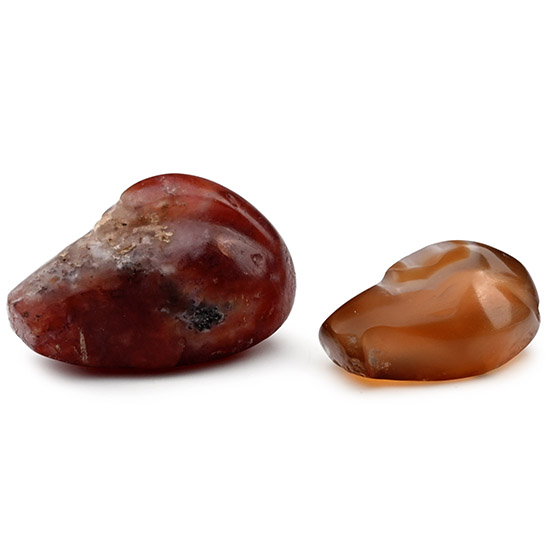
Neo-Babylonian Agate Duck Weight Collection
Circa 700-600 B.C.Estimate: £700 - 900 (‡+bp*)
Opening Bid: £350
Each carved in the round as a duck with its head laid back along its spine. 6.67 grams total, 17-22 mm
Private collection, Israel. with Holy Land House of Antiquities, Jerusalem, 1990s. Private European collection, acquired from the above in 2001. -
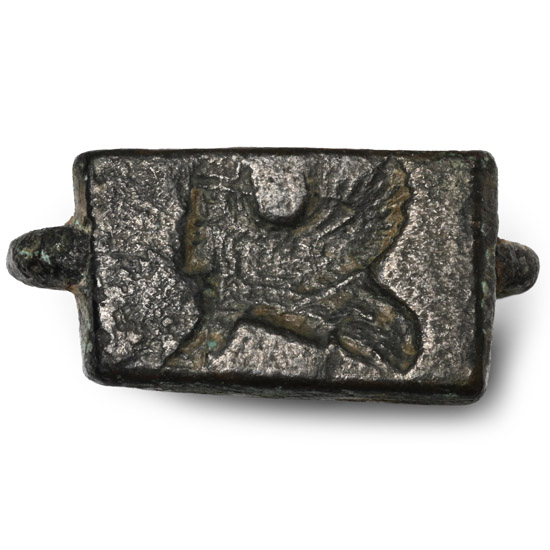
Western Asiatic Bronze Seal with Gryphon
1st millennium B.C.Sold for (Inc. bp): £59
Rectangular block with recurved wire handle; incuse profile gryphon motif. 4.31 grams, 19 mm
Ex London, UK, gentleman's collection by descent, 1980s.
