
Loading, please wait...

LOT 0337
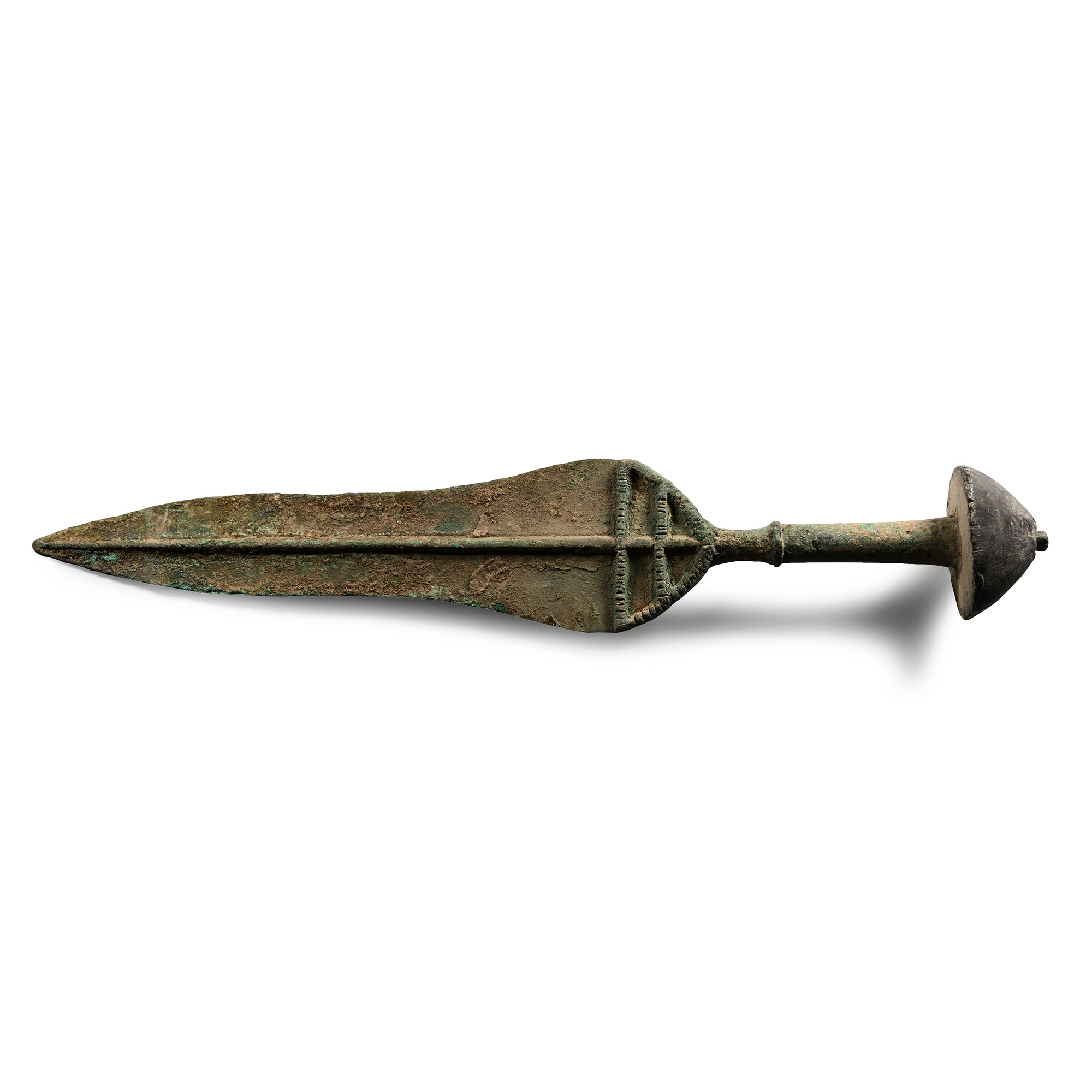
Western Asiatic Bronze Sword
LATE 2ND-EARLY 1ST MILLENNIUM B.C.
18 7/8 in. (743 grams, 48 cm).
The hilt with mushroom-shaped pommel, round grip, crescentic guard with double horizontal bars, long sloping blade with rounded mid-ridge.
ProvenanceAcquired 1980-2015.
Ex Abelita family collection.
See a similar sword in Christie's, The Axel Guttmann Collection of Ancient Arms and Armour, part 1, London, 2002, item 24, p.27, for the type.
FootnotesThis category of swords has been classified by Khorasani as 'swords with a mushroom pommel' and are usually characterised by a solid-cast hilt with a penannular guard, a ribbed or variously decorated grip and the conical hollow-cast mushroom pommel. Usually the blade is multi-fullered and tapers to a sharp tip. Moorey considers them to be from the end of the 2nd millennium B.C.
CONDITIONTimeLine Auctions follows a vetting process to ensure the authenticity and legality of all items, reinforcing our commitment to integrity and responsible trading. Each antiquity, antique, and coin lot undergoes thorough examination by a vetting committee of at least ten external specialists, professional trade association members, scientists, and archaeologists: Our Vetting Process
AUCTIONS:
TimeLine is a leading auction house specialising in antiquities, ancient art, collectables, natural history, coins, medals, and books. Our auctions offer museums, collectors, historians, and enthusiasts the opportunity to acquire unique and historically significant pieces.
-
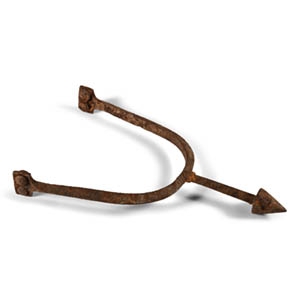
Post Medieval Iron Prick Spur
20th century A.D. or earlierSold for (Inc. bp): £39
With rectangular finials, D-section frame and conical prick. 67 grams, 15.5 cm
From a private Barnsley, UK, family collection. -
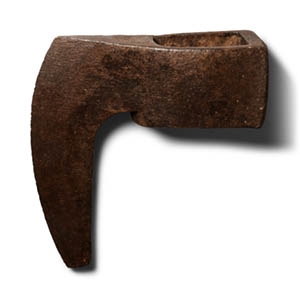
Medieval Iron Bearded Axehead
Circa 14th-16th century A.D. or laterSold for (Inc. bp): £39
With broad curved blade and square chin, broad neck, deep socket with square-section hammer to the reverse. 766 grams, 13.2 cm
Ex North American collection, 1970s-1990s. -
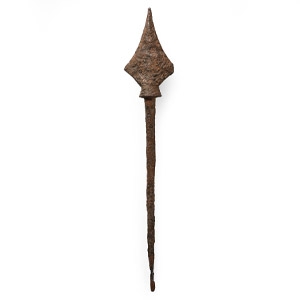
Norman Period Iron Arrowhead
11th-12th century A.D.Sold for (Inc. bp): £72
Tapering tang with collar and scooped edges to the blade. 8.5 grams, 10.4 cm
UK private collection before 2000. Acquired on the UK art market. Property of a London gentleman.
