
Loading, please wait...
_900x900.jpg "Western Asiatic Bronze Statuette of a Horned Demon")
_200x200.jpg "Western Asiatic Bronze Statuette of a Horned Demon")
.jpg "Western Asiatic Bronze Statuette of a Horned Demon")
LOT 0265
Western Asiatic Bronze Statuette of a Horned Demon
1ST MILLENNIUM B.C.
3 3/8 in. (43.4 grams, 87.5 mm).
Columnar in form with stub to base, arms bent, bearded face surmounted by a conical cap with lateral lugs. [No Reserve]
ProvenanceFrom the private collection of a European gentleman (1942-2024), formed since the 1970s.
CONDITIONTimeLine Auctions follows a vetting process to ensure the authenticity and legality of all items, reinforcing our commitment to integrity and responsible trading. Each antiquity, antique, and coin lot undergoes thorough examination by a vetting committee of at least ten external specialists, professional trade association members, scientists, and archaeologists: Our Vetting Process
AUCTIONS:
TimeLine is a leading auction house specialising in antiquities, ancient art, collectables, natural history, coins, medals, and books. Our auctions offer museums, collectors, historians, and enthusiasts the opportunity to acquire unique and historically significant pieces.
-
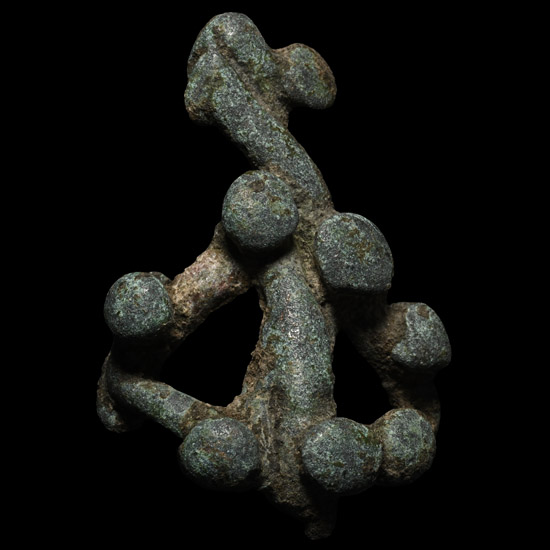
Amlash Figure Fragment
Circa 6th century A.D.Sold for (Inc. bp): £13
With openwork body and lug to reverse, cage-style torso. 20.6 grams, 42.8 mm
From the private collection of a European gentleman (1942-2024), formed since the 1970s. -
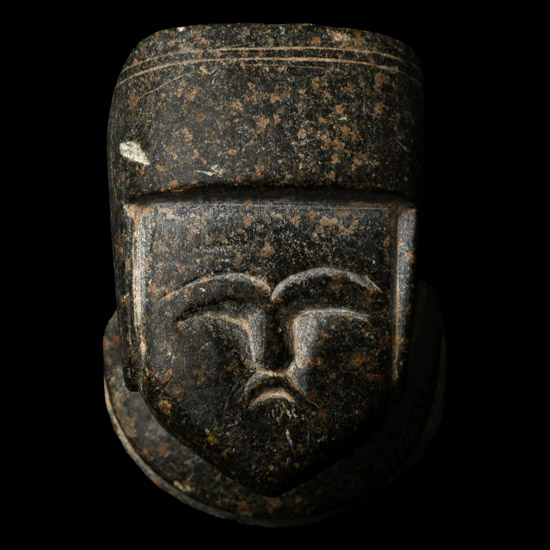
Seljuk Carved Stone Head of a Prince
12th century A.D.Sold for (Inc. bp): £338
Comprising a shield-shaped finial with a stylised human head wearing a tall headdress with a double-band at the top, U-shaped neck with a crescentic plaque; accompanied by a custom-made display stand. 50.5 grams, 60 mm
with a London, UK gallery 1971-early 2000s. -
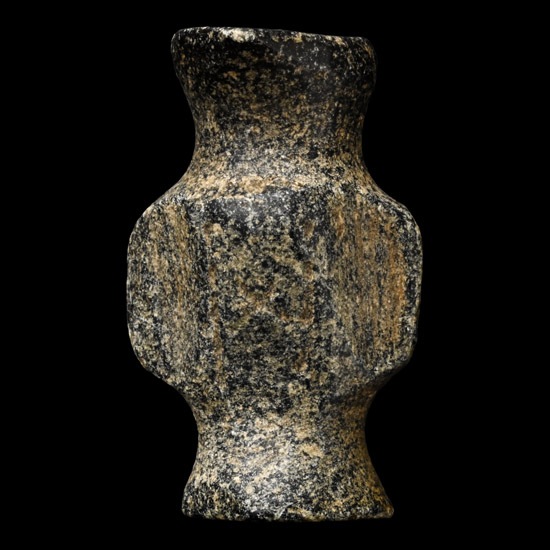
Western Asiatic Miniature Schist Vessel
1st millennium B.C.Sold for (Inc. bp): £20
Tubular in form with flared foot and mouth, lateral lug handles. 10.75 grams, 35.49 mm
From the private collection of a European gentleman (1942-2024), formed since the 1970s.
