
Loading, please wait...
LOT 1106
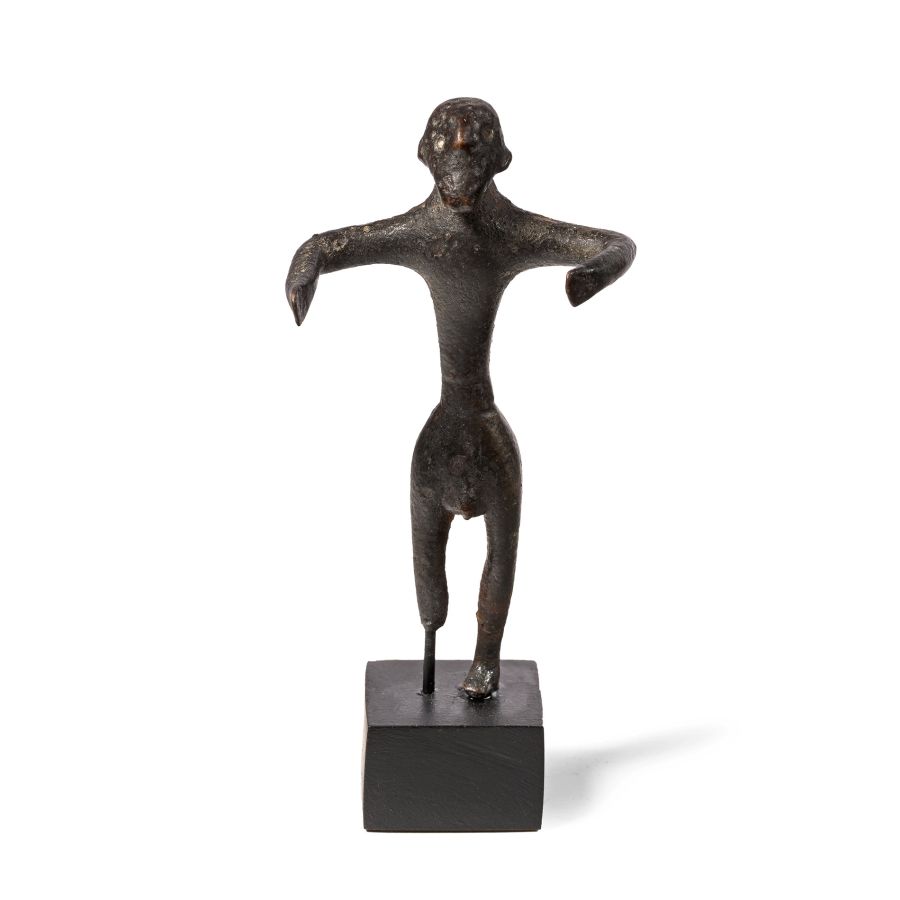
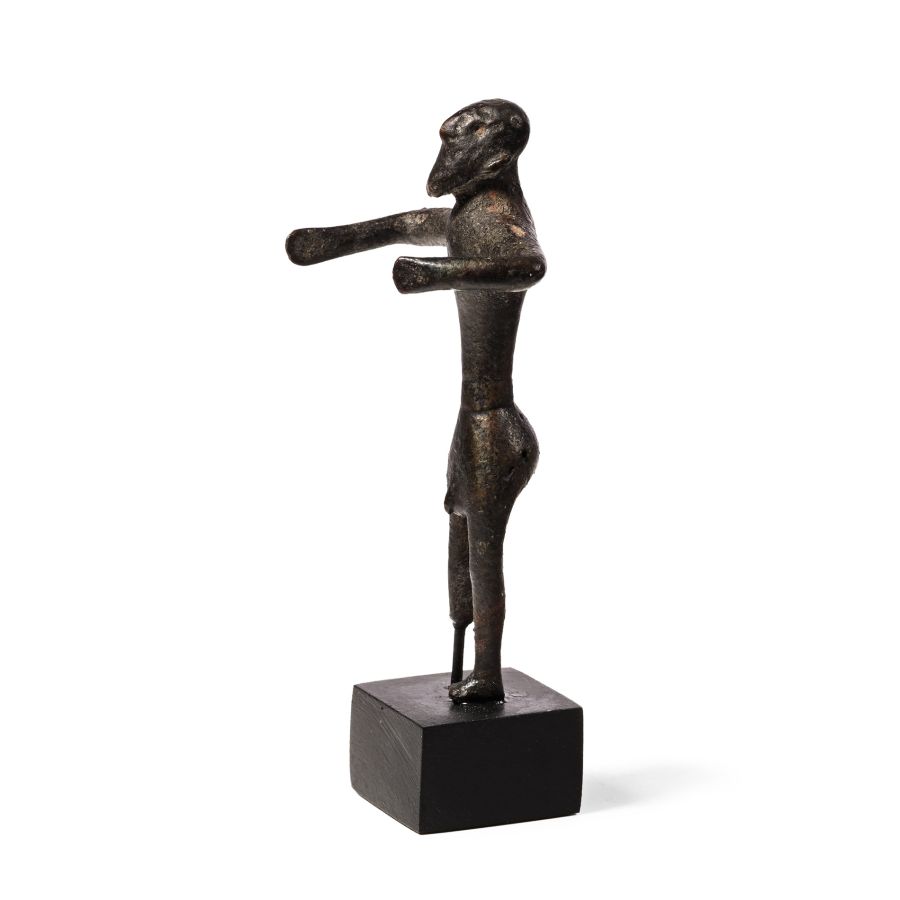
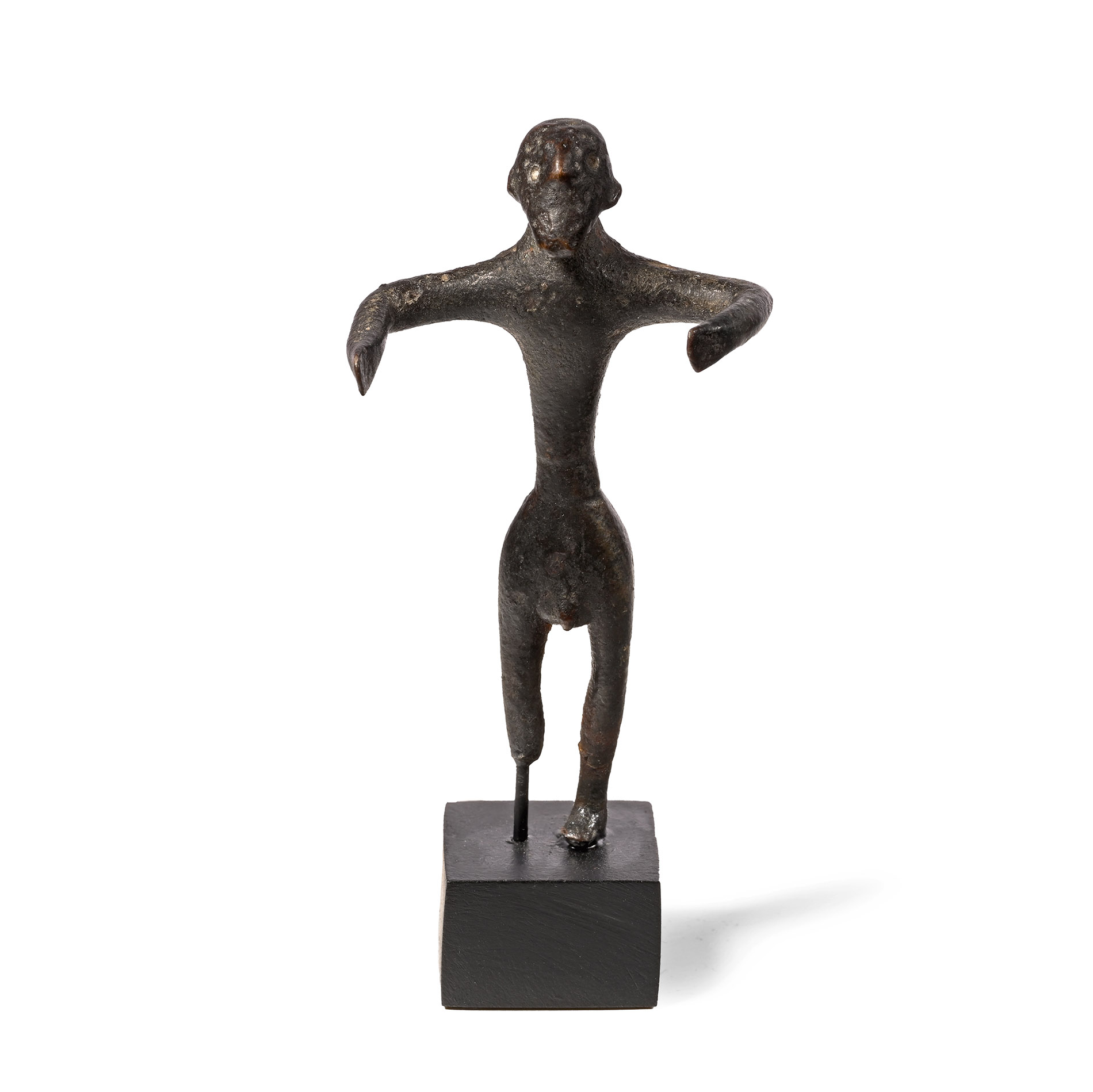
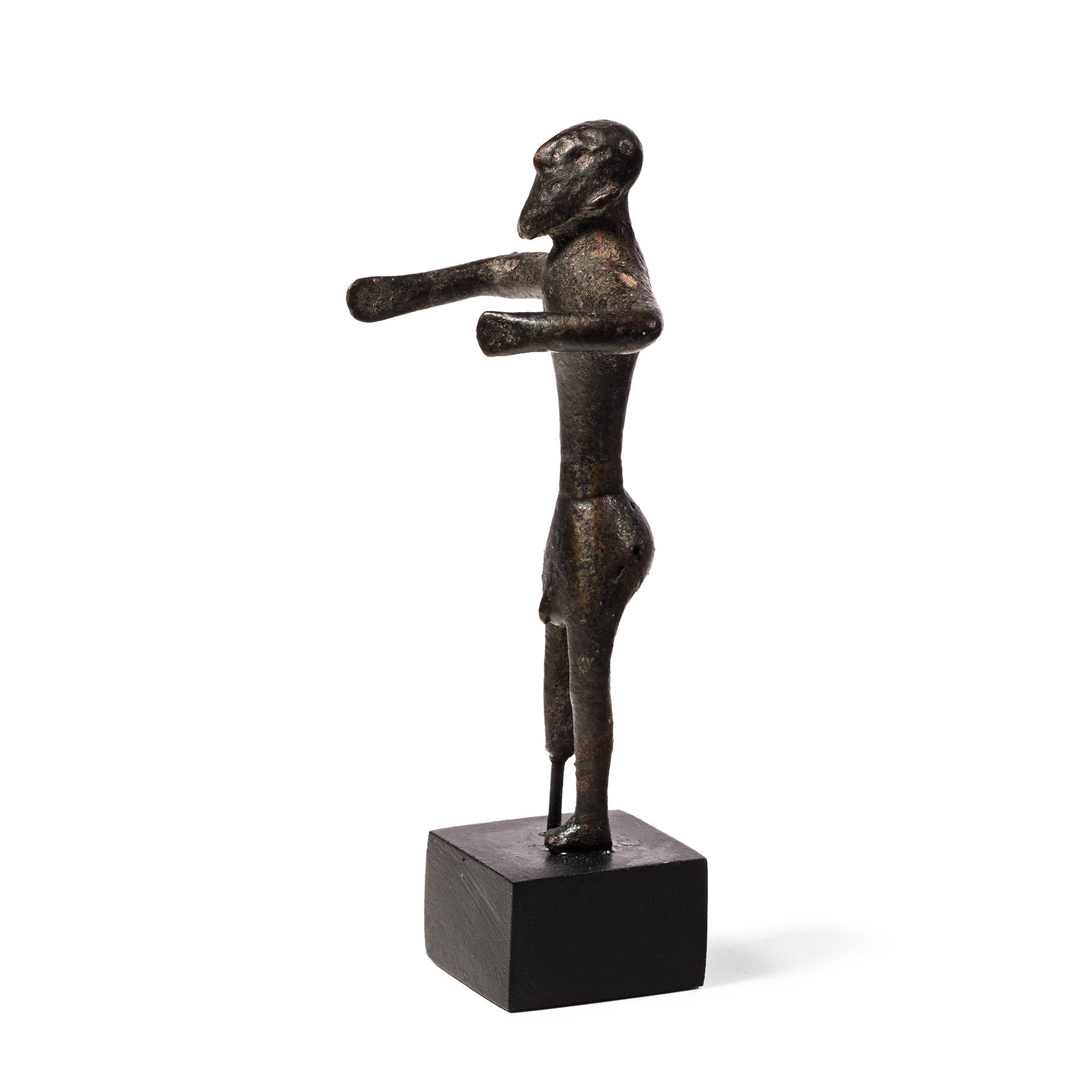
Western Asiatic Bronze Standing Idol
EARLY 1ST MILLENNIUM B.C.
4 in. (58.6 grams, 10 cm including stand).
Modelled standing erect with the arms bent forwards, head tilted upwards, with incised lines for the belt; the head pear-shaped with square chin; mounted on a custom-made stand. [No Reserve]
ProvenanceFrom a collection acquired on the UK art market from various auction houses and collections mostly before 2000.
From an important Cambridgeshire estate; thence by descent.
TimeLine Auctions follows a vetting process to ensure the authenticity and legality of all items, reinforcing our commitment to integrity and responsible trading. Each antiquity, antique, and coin lot undergoes thorough examination by a vetting committee of at least ten external specialists, professional trade association members, scientists, and archaeologists: Our Vetting Process
AUCTIONS:
TimeLine is a leading auction house specialising in antiquities, ancient art, collectables, natural history, coins, medals, and books. Our auctions offer museums, collectors, historians, and enthusiasts the opportunity to acquire unique and historically significant pieces.
-
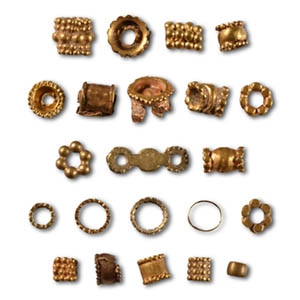
Western Asiatic Mixed Gold Bead Group
1st millennium B.C.Estimate: £400 - 600 (+bp*)
Opening Bid: £190
Including oblate, barrel-shaped and other types with applied granulation. 5.21 grams total, 2-10 mm
Ex property of a late Japanese collector, 1970-2000s. -
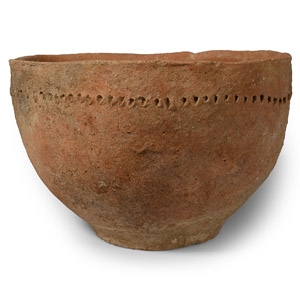
Large Holy Land Trans-Jordan Terracotta Bowl
Early Bronze Age, 3rd-2nd millennium B.C.Sold for (Inc. bp): £312
With wide body and low foot, decorative impressed-point band with four low lugs below the rim, undulating line at the foot. 1.6 kg, 24 cm wide
From a family collection mostly formed in the 1940s-1950s, thence by descent. -
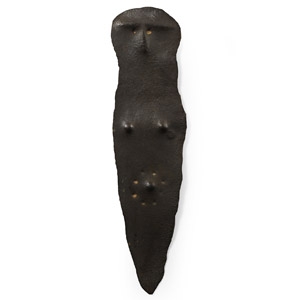
Western Asiatic Bronze Female Idol
3rd-2nd millennium B.C.Sold for (Inc. bp): £104
Flat-section leaf-shaped panel with repoussé eye and nose, pellet breasts, navel with pointillé circle surrounding. 6.55 grams, 90 mm
UK private collection before 2000. Acquired on the UK art market. Property of a London gentleman.
