
Loading, please wait...
LOT 1362
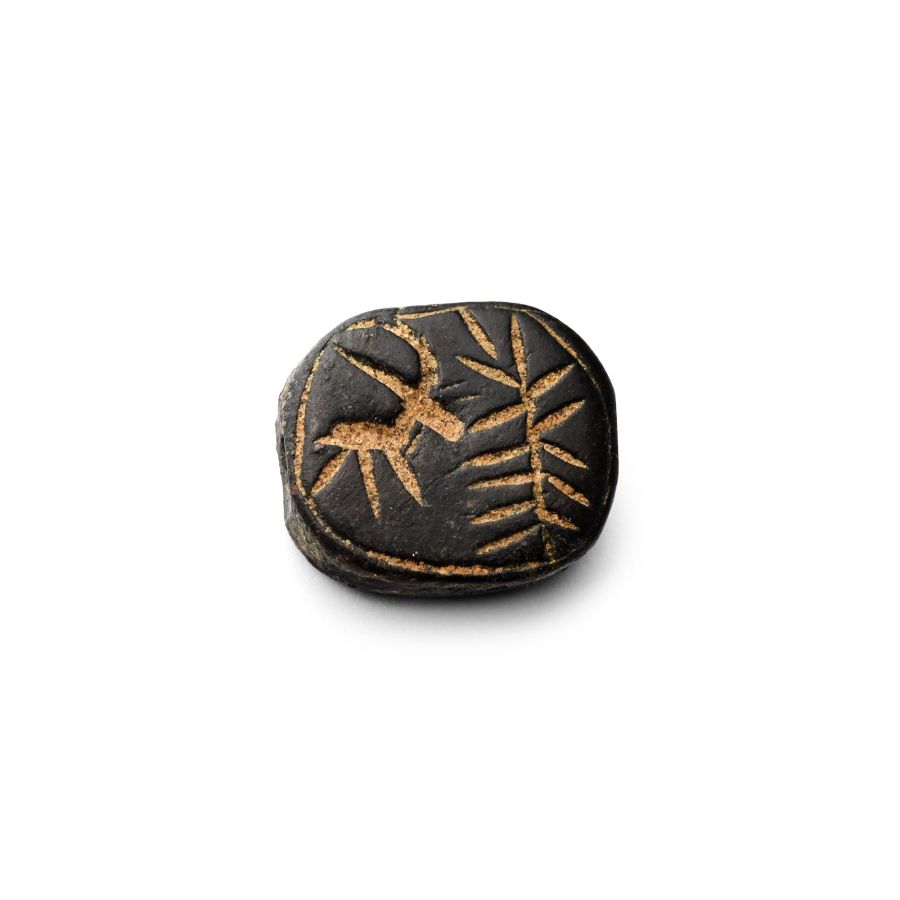
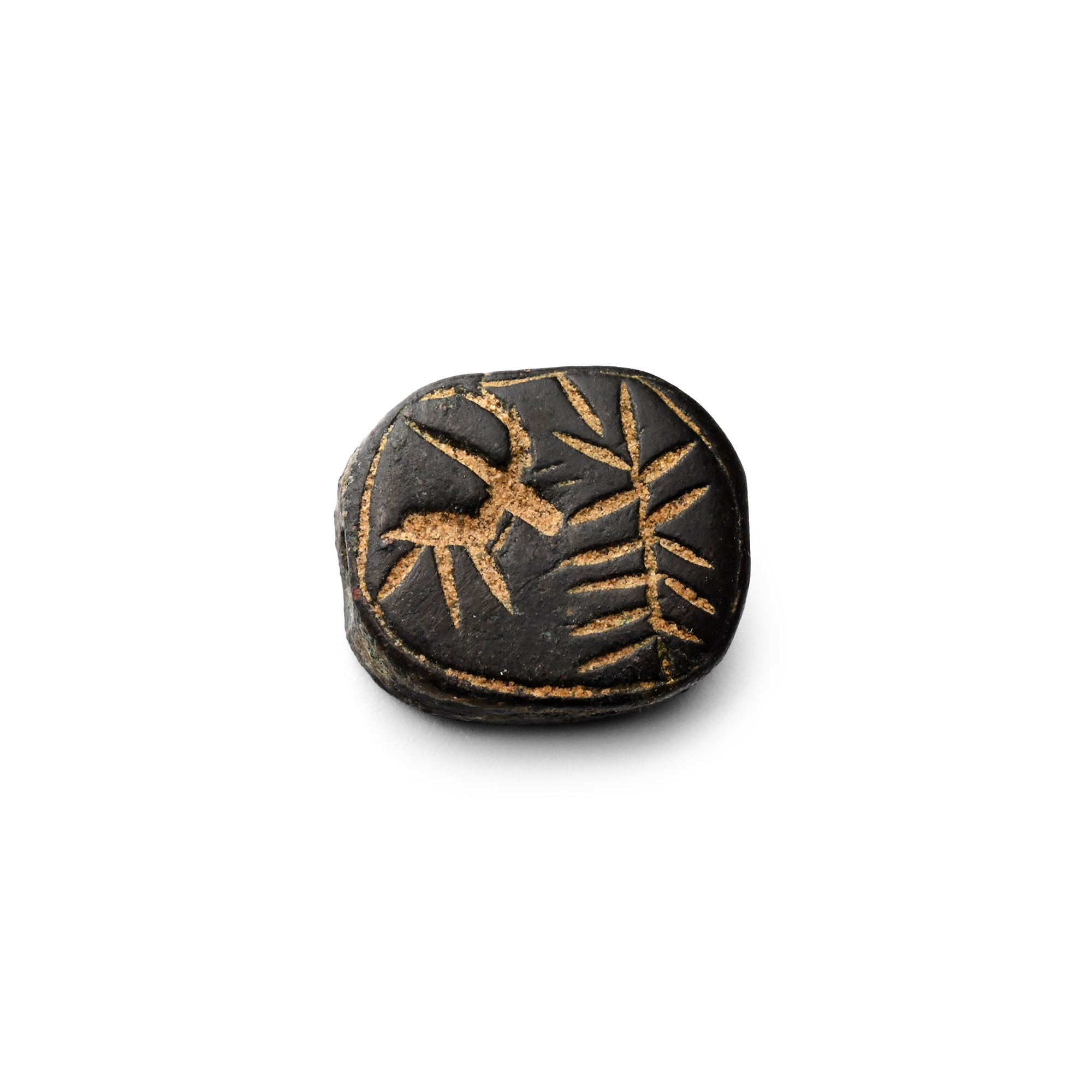
Western Asiatic Bronze Scaraboid Seal Matrix
2ND MILLENNIUM B.C.
3/8 in. (2.81 grams, 11 mm).
Rectangular in plan with incised horned animal and frond.
ProvenanceFrom the collection of a gentleman, acquired on the London art market in the 1990s.
This lot has been cleared against the Art Loss Register database, and is accompanied by an illustrated lot declaration signed by the Head of the Antiquities Department, Dr Raffaele D'Amato.
TimeLine Auctions follows a vetting process to ensure the authenticity and legality of all items, reinforcing our commitment to integrity and responsible trading. Each antiquity, antique, and coin lot undergoes thorough examination by a vetting committee of at least ten external specialists, professional trade association members, scientists, and archaeologists: Our Vetting Process
AUCTIONS:
TimeLine is a leading auction house specialising in antiquities, ancient art, collectables, natural history, coins, medals, and books. Our auctions offer museums, collectors, historians, and enthusiasts the opportunity to acquire unique and historically significant pieces.
LOT 1362
Western Asiatic Bronze Scaraboid Seal Matrix
Estimate £100 - 140€120 - 160 (for guidance only)$140 - 190 (for guidance only)
-
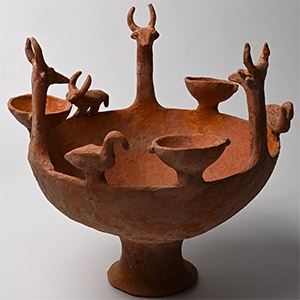
Amlash Terracotta Animal Bowl
Circa 1100 B.C.Sold for (Inc. bp): £845
Comprising a broad bowl with pedestal base, the rim with three small lugged bowls, three horned bovine heads, two birds and a complete bovine; restored. 2.03 kg, 31.5 cm wide
From a London gentleman's collection, 2000s. Ex London, UK, gallery. This lot has been cleared against the Art Loss Register database, and is accompanied by an illustrated lot declaration signed by the Head of the Antiquities Department, Dr Raffaele D'Amato. -
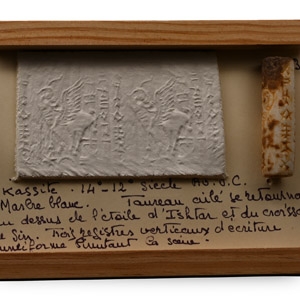
Kassite Mottled Stone Cylinder Seal with Inscription
14th-12th century B.C.Sold for (Inc. bp): £416
With frieze depicting a winged ram beneath the 'star of Ishtar' with four columns of cuneiform text; mounted on a reinforced card with impression and collector's handwritten notes. 36 grams total, 12.1 x 9.1 cm
Antonovitch Gallery, Paris, 1978. Chesnes Gallery, Lyon, 1982. Acquired at Drouot, Paris, 2022. Private collection, London. This lot has been cleared against the Art Loss Register database, and is accompanied by an illustrated lot declaration signed by the Head of the Antiquities Department, Dr Raffaele D'Amato. -
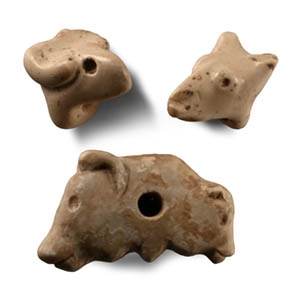
Mesopotamian White Marble Animal Amulets
2nd-1st millennium B.C.Sold for (Inc. bp): £286
Comprising: profile addorsed bear and bear-cub heads; two sheep's heads. 15.8 grams total, 17-33 mm
From the private collection of Mr K.A., acquired in the 1990s-early 2000s. This lot has been cleared against the Art Loss Register database, and is accompanied by an illustrated lot declaration signed by the Head of the Antiquities Department, Dr Raffaele D'Amato.
