
Loading, please wait...
LOT 1859
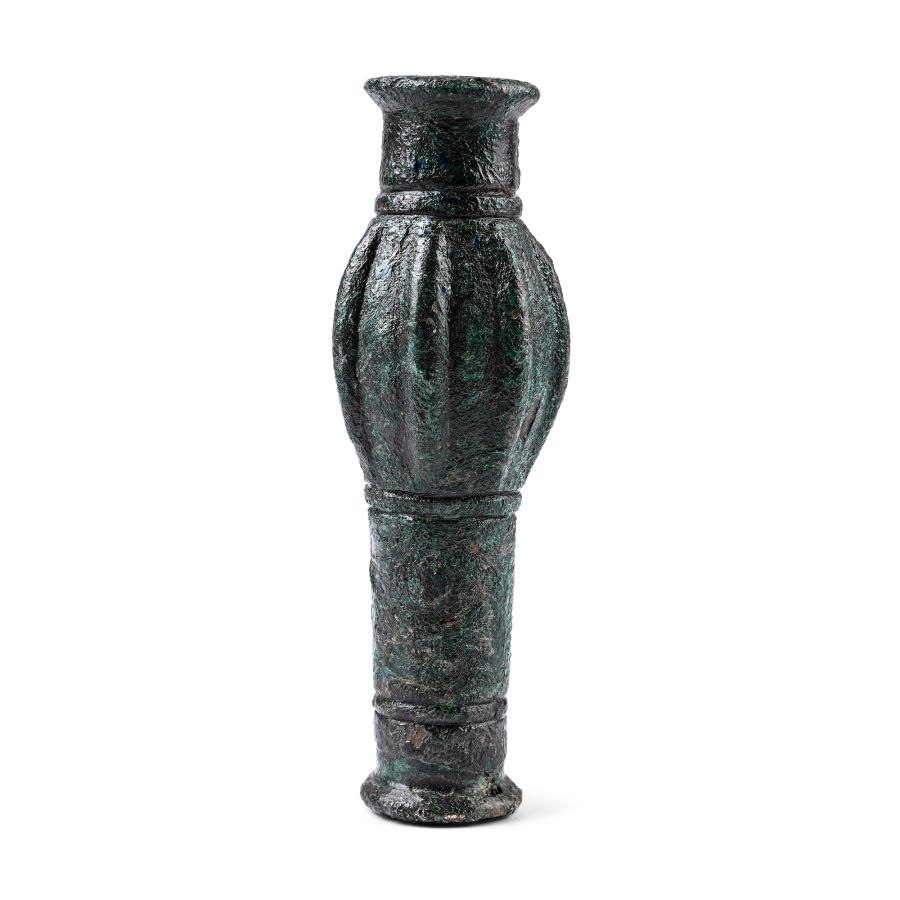
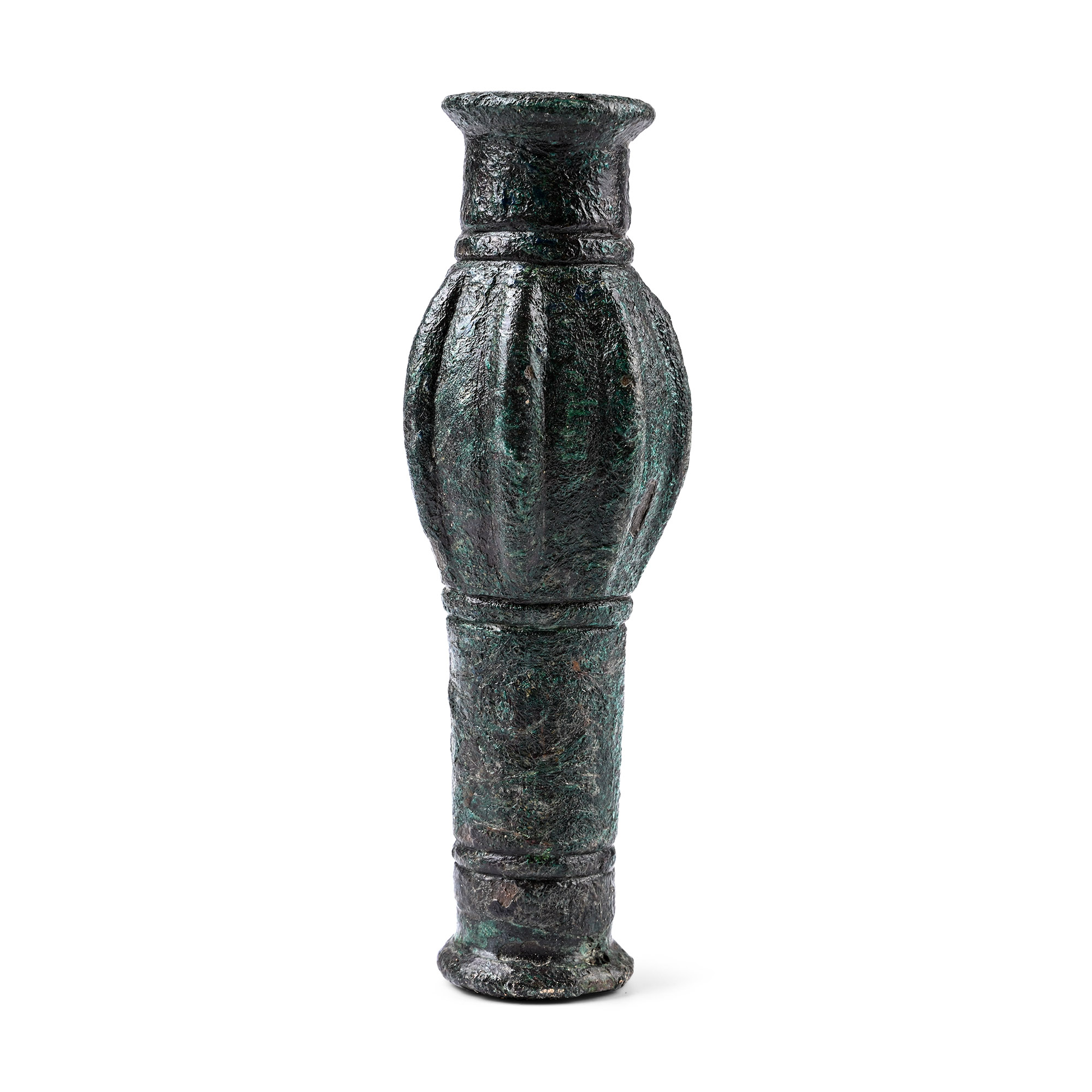
Western Asiatic Bronze Macehead
2ND-1ST MILLENNIUM B.C.
5 1/4 in. (263 grams, 13.4 cm).
Comprising a cylindrical shaft with flared mouth, rounded flanges around the bulb, and horizontal stepped collars.
ProvenanceEx Abelita family collection, 1980s-2000s.
LiteratureCf. Musée Cernuschi, Bronzes du Luristan: Enigmes De L'Iran Ancien IIIe-Ier millénaire ac. j.-c., Paris Musées, 2008, p.103, for type.
CONDITIONTimeLine Auctions follows a vetting process to ensure the authenticity and legality of all items, reinforcing our commitment to integrity and responsible trading. Each antiquity, antique, and coin lot undergoes thorough examination by a vetting committee of at least ten external specialists, professional trade association members, scientists, and archaeologists: Our Vetting Process
AUCTIONS:
TimeLine is a leading auction house specialising in antiquities, ancient art, collectables, natural history, coins, medals, and books. Our auctions offer museums, collectors, historians, and enthusiasts the opportunity to acquire unique and historically significant pieces.
LOT 1859
Western Asiatic Bronze Macehead
Estimate £200 - 300€230 - 350 (for guidance only)$270 - 410 (for guidance only)
-
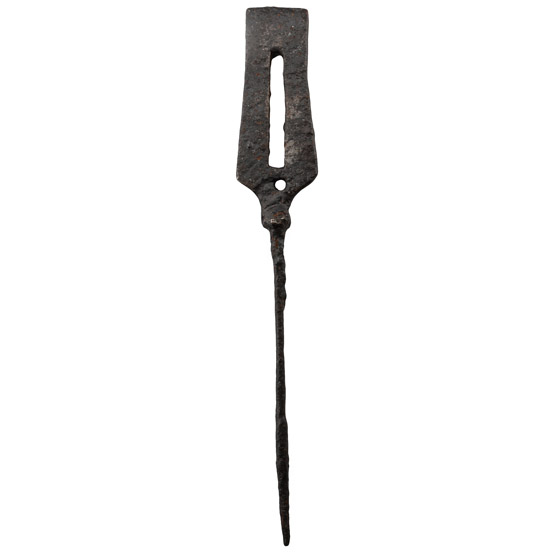
Large Medieval Tanged Iron Incendiary Fire Arrowhead
Circa 13th-15th century A.D.Sold for (Inc. bp): £169
Comprising a long slender tang and balustered neck, rectangular head with 'chisel' blade, median slot and hole for attachment of flammable material. 31.9 grams, 16.9 cm
Acquired from a USA private collector in the 1990s. Ex Buckinghamshire, UK, collection. -
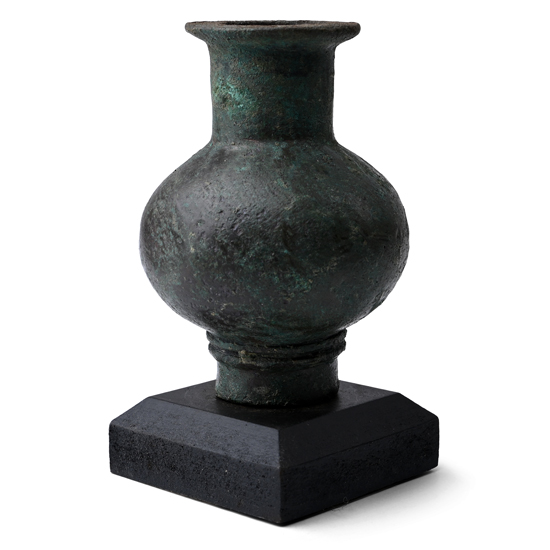
Luristan Bronze Macehead
2nd-1st millennium B.C.Sold for (Inc. bp): £286
With a globular body and tubular socket with two raised collars above and a flaring base; accompanied by a custom-made display stand. 329 grams total, mace: 83 mm
From the collection of the late Sir Clinton Charles Donald Cory, 5th Baronet of Coryton. Ex Philip Auction House, 24 September 1985. -
.jpg)
Viking Iron Sword Pommel and Lower Guard
10th-11th century A.D.Sold for (Inc. bp): £702
Comprising: lower guard, lentoid in plan with recessed underside, slot to accept the tang; pommel with integral upper guard, Petersen's Type X with semicircular profile and raised upper section, slot for tang in the underside. 480 grams total, 77-92 mm
London, UK, collection, formed in the late 1990s.
