
Loading, please wait...
LOT 1219
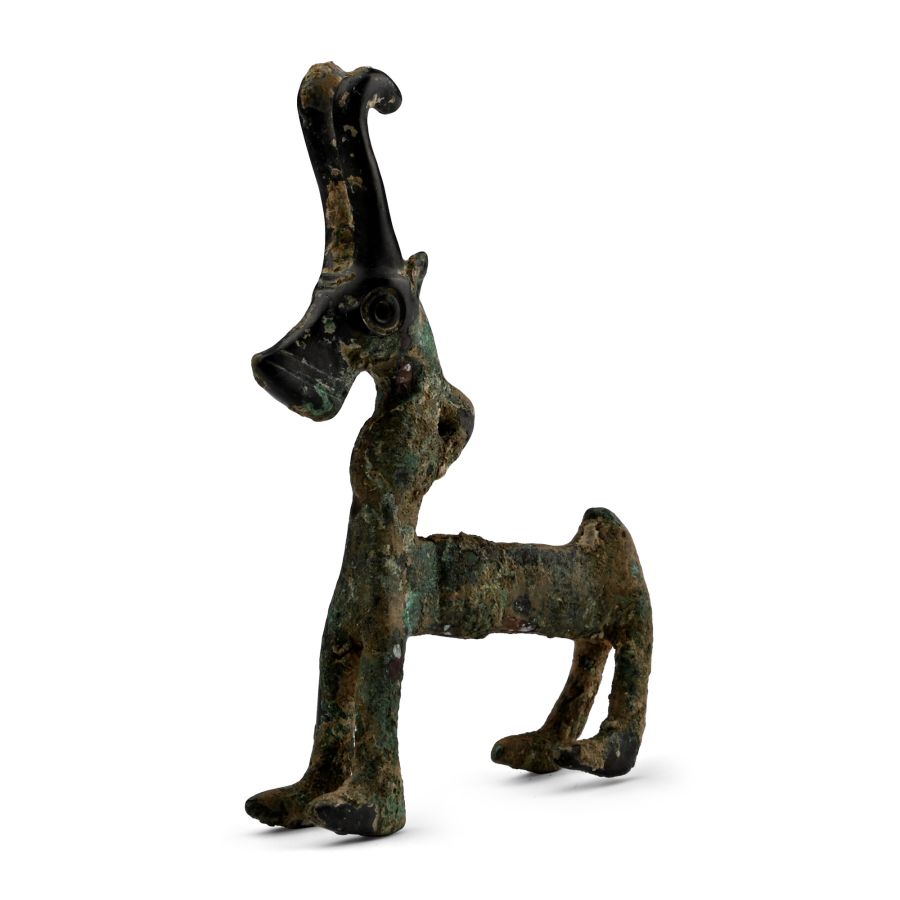
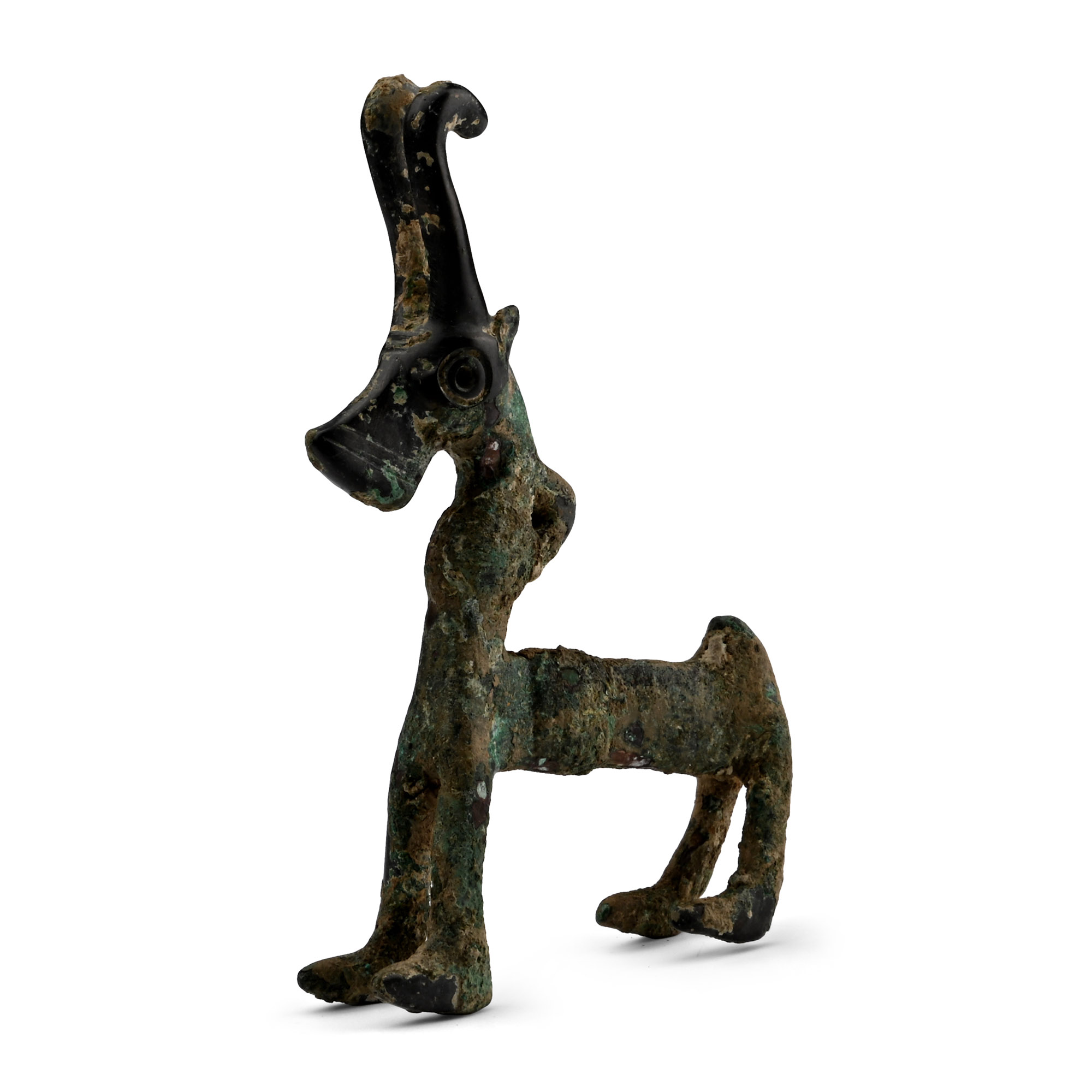
Western Asiatic Bronze Ibex Statuette
2ND-1ST MILLENNIUM B.C.
3 in. (50 grams, 78 mm).
With large horns, loop behind the neck, raised collars to the neck and body. [No Reserve]
ProvenanceProperty of a Mayfair lady; formerly in an important London collection formed since 1965.
From the private collection of John Meredith, acquired since the 1990s; thence by descent.
This lot has been cleared against the Art Loss Register database, and is accompanied by an illustrated lot declaration signed by the Head of the Antiquities Department, Dr Raffaele D'Amato.
TimeLine Auctions follows a vetting process to ensure the authenticity and legality of all items, reinforcing our commitment to integrity and responsible trading. Each antiquity, antique, and coin lot undergoes thorough examination by a vetting committee of at least ten external specialists, professional trade association members, scientists, and archaeologists: Our Vetting Process
AUCTIONS:
TimeLine is a leading auction house specialising in antiquities, ancient art, collectables, natural history, coins, medals, and books. Our auctions offer museums, collectors, historians, and enthusiasts the opportunity to acquire unique and historically significant pieces.
-
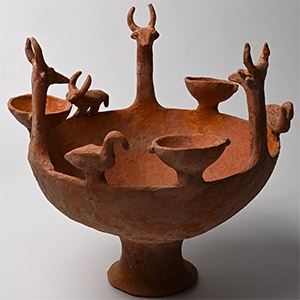
Amlash Terracotta Animal Bowl
Circa 1100 B.C.Sold for (Inc. bp): £845
Comprising a broad bowl with pedestal base, the rim with three small lugged bowls, three horned bovine heads, two birds and a complete bovine; restored. 2.03 kg, 31.5 cm wide
From a London gentleman's collection, 2000s. Ex London, UK, gallery. This lot has been cleared against the Art Loss Register database, and is accompanied by an illustrated lot declaration signed by the Head of the Antiquities Department, Dr Raffaele D'Amato. -
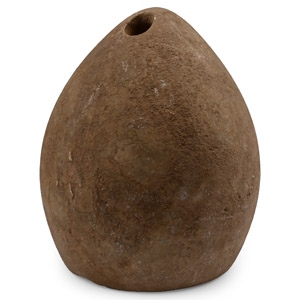
Bactrian Stone Kettle-Bell Idol
2nd-1st millennium B.C.Sold for (Inc. bp): £169
Conical in profile with flat base and U-shaped channel through the apex. 8.4 kg, 20 cm
Formerly in a Mayfair, London, UK, gallery. From the collection of a London, UK, gentleman. This lot has been cleared against the Art Loss Register database, and is accompanied by an illustrated lot declaration signed by the Head of the Antiquities Department, Dr Raffaele D'Amato. -
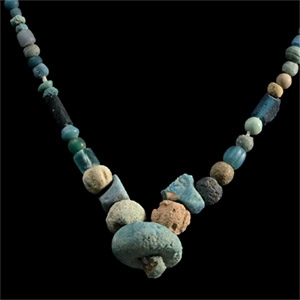
Achaemenid Light Blue Glass and Faience Bead Necklace String
6th-4th century B.C. and laterSold for (Inc. bp): £52
Composed of mixed graduated beads, central feature with a large annular faience bead; restrung. 19 grams, 39.7 cm
From the London, UK, art market in the 1990s. This lot has been cleared against the Art Loss Register database, and is accompanied by an illustrated lot declaration signed by the Head of the Antiquities Department, Dr Raffaele D'Amato.
