
Loading, please wait...
LOT 1583
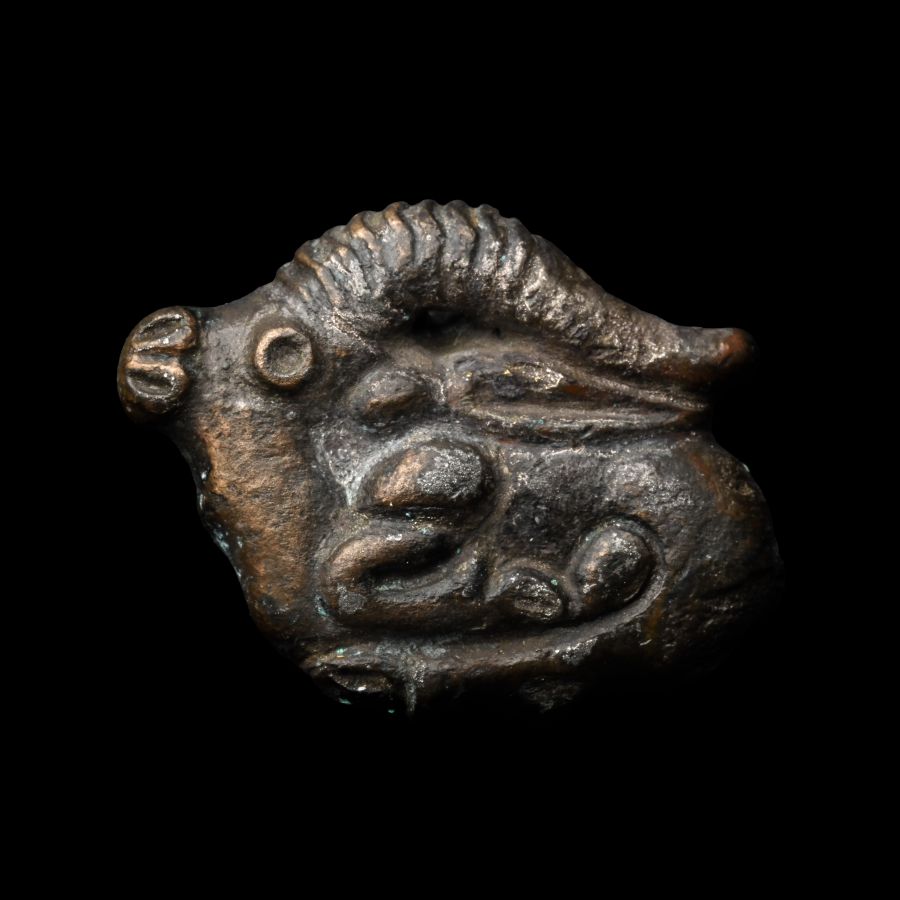
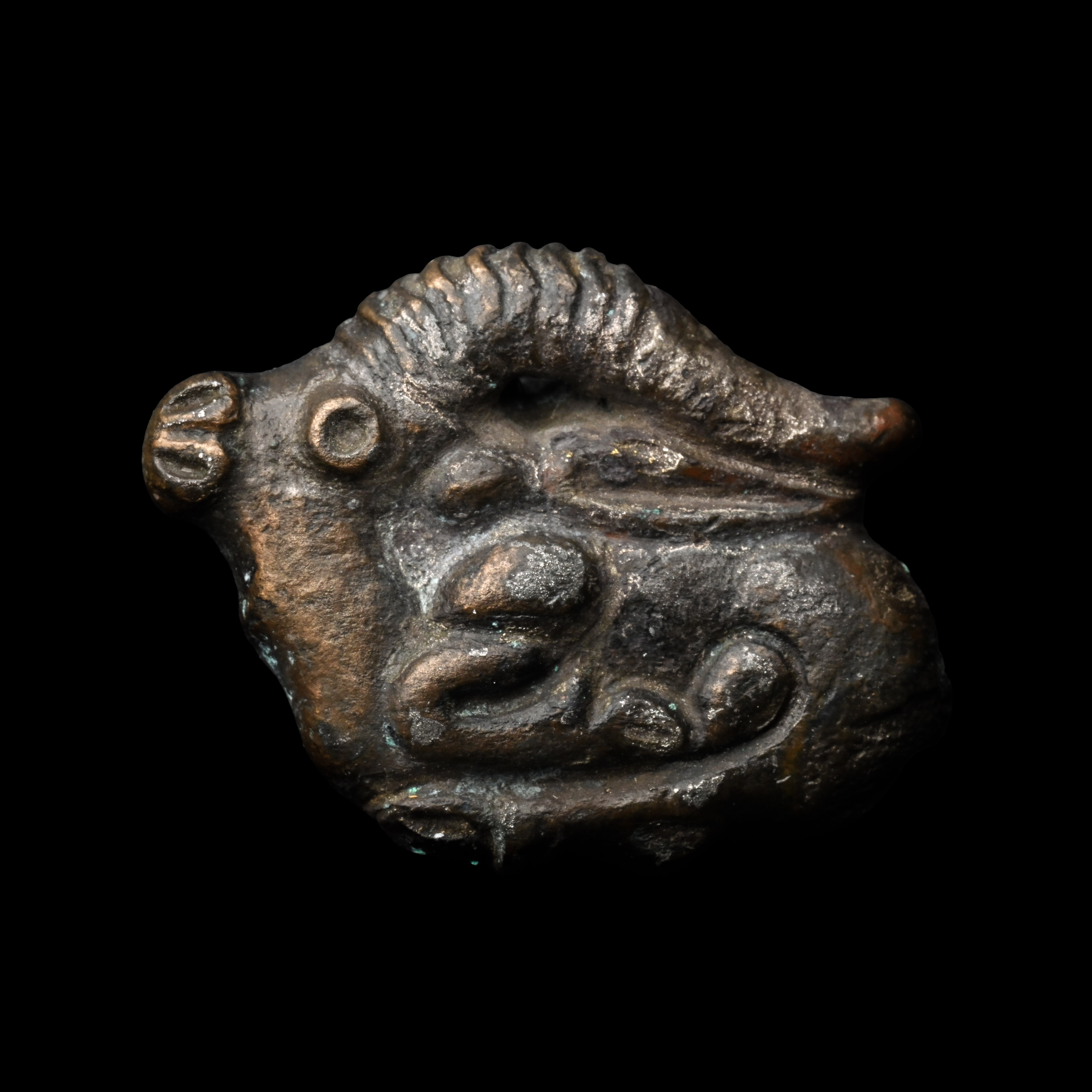
Western Asiatic Bronze Ibex Mount
1ST MILLENNIUM B.C.
1 1/4 in. (18.21 grams, 31.66 mm).
Low-relief plaque of an ibex with legs folded beneath the body; discoid socket to reverse. [No Reserve]
ProvenanceFrom the private collection of a European gentleman (1942-2024), formed since the 1970s.
CONDITIONTimeLine Auctions follows a vetting process to ensure the authenticity and legality of all items, reinforcing our commitment to integrity and responsible trading. Each antiquity, antique, and coin lot undergoes thorough examination by a vetting committee of at least ten external specialists, professional trade association members, scientists, and archaeologists: Our Vetting Process
AUCTIONS:
TimeLine is a leading auction house specialising in antiquities, ancient art, collectables, natural history, coins, medals, and books. Our auctions offer museums, collectors, historians, and enthusiasts the opportunity to acquire unique and historically significant pieces.
-
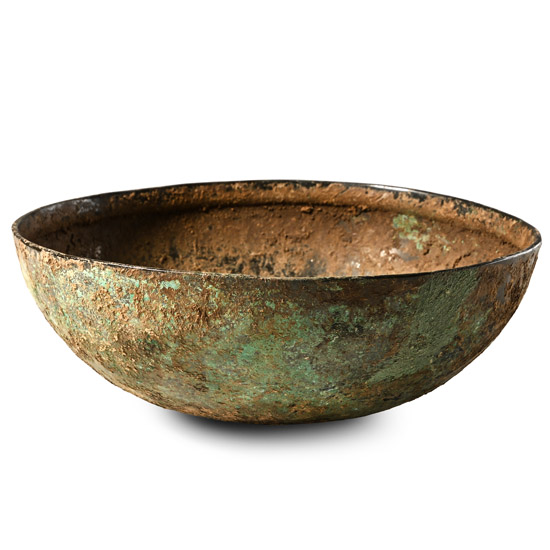
Western Asiatic Polished Bronze Bowl
Late 1st millennium B.C.Sold for (Inc. bp): £104
Shallow body with rounded base and thickened rim. 255 grams, 16.4 cm
Ex Abelita family collection, 1980s-2000s. -
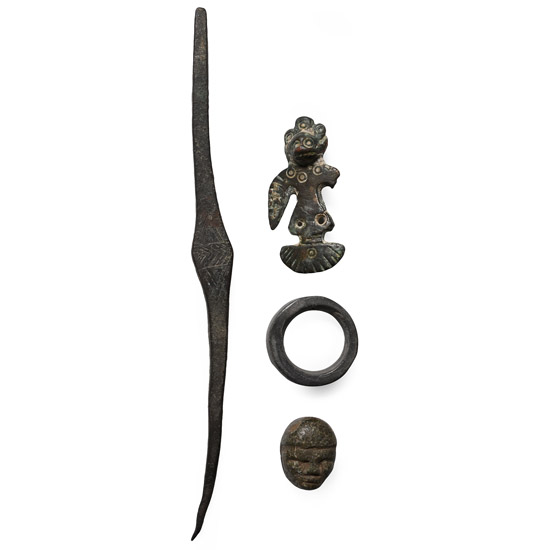
Western Asiatic Bronze and Other Artefact Group
1st millennium B.C.Sold for (Inc. bp): £33
Comprising: a stylus with herringbone decoration; an annular ring; a stylised bird mount with ring-and-dot decoration; a male head formed in three-quarter view with a slit mouth and small eyes, wearing a simple cap. 25.3 grams total, 1.7-12.4 cm
From the private collection of a European gentleman (1942-2024), formed since the 1970s. -
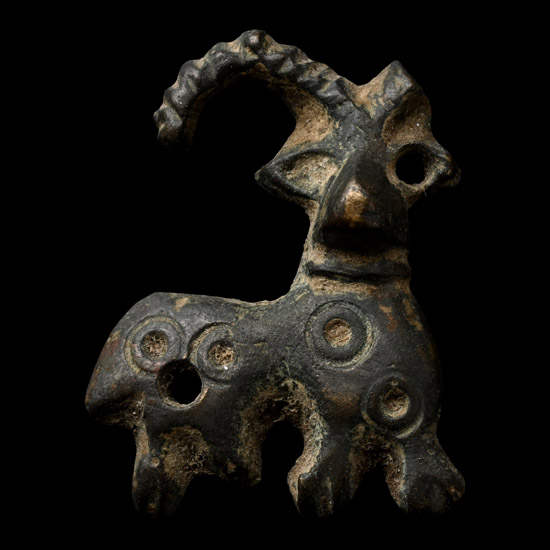
Luristan Bronze Ibex Mount
1st millennium B.C.Sold for (Inc. bp): £65
Reclining with its head turned to the side, long striated horns and ring-and-dot decoration on the body. 12.2 grams, 31 mm
From the private collection of a European gentleman (1942-2024), formed since the 1970s.
