
Loading, please wait...
LOT 1425
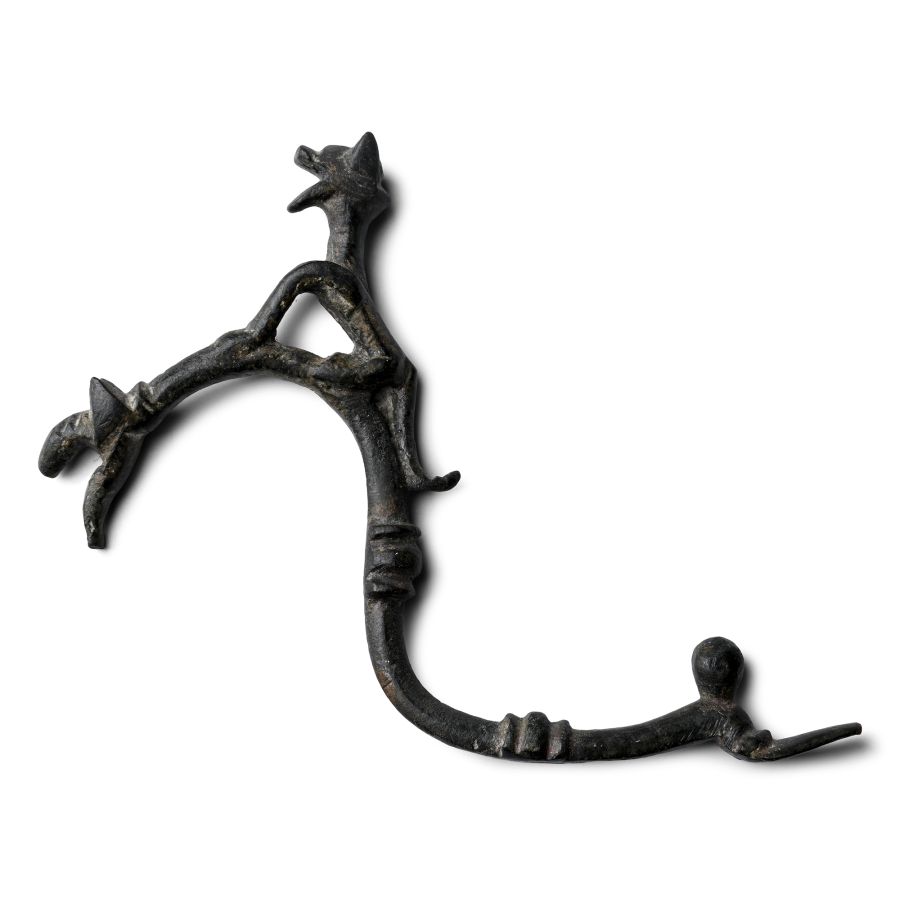
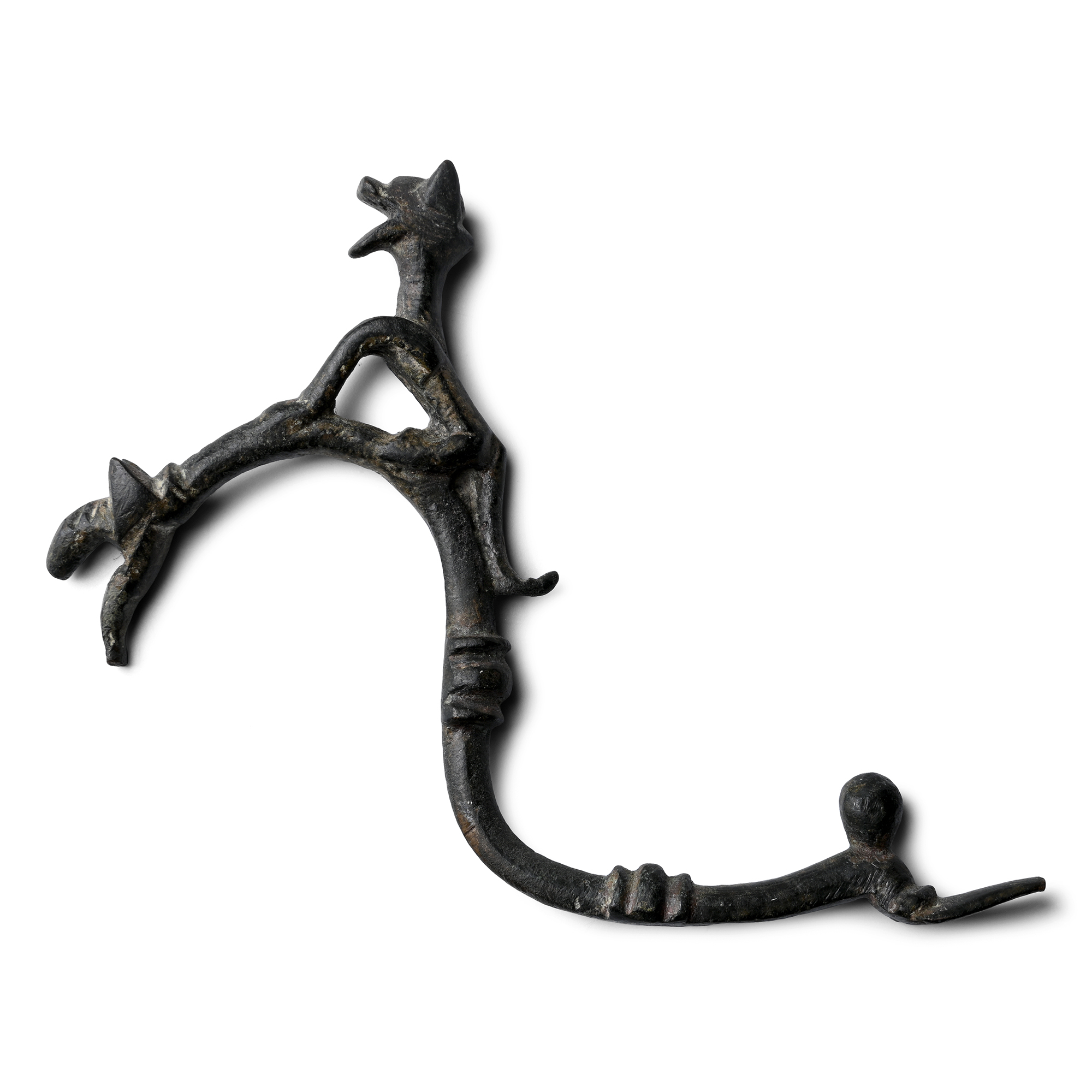
Western Asiatic Bronze Handle with Lion
CIRCA 12TH-14TH CENTURY A.D.
4 3/8 in. (58 grams, 11 cm).
Comprising an S-shaped balustered body with a stylised animal head finial with open jaws at the upper end; a seated lion at the top of the handle with long tail and gaping jaws. [No Reserve]
ProvenanceFrom the private collection of a European gentleman (1942-2024), formed since the 1970s.
CONDITIONTimeLine Auctions follows a vetting process to ensure the authenticity and legality of all items, reinforcing our commitment to integrity and responsible trading. Each antiquity, antique, and coin lot undergoes thorough examination by a vetting committee of at least ten external specialists, professional trade association members, scientists, and archaeologists: Our Vetting Process
AUCTIONS:
TimeLine is a leading auction house specialising in antiquities, ancient art, collectables, natural history, coins, medals, and books. Our auctions offer museums, collectors, historians, and enthusiasts the opportunity to acquire unique and historically significant pieces.
-
.jpg)
Western Asiatic Stone Cylinder Seal Group
2nd-1st millennium B.C.Sold for (Inc. bp): £390
Comprising: running zigzag motif; horse and chariot; bird and quadruped in profile; lion leaping on a hero with spear; each supplied with a museum-quality impression. 29.4 grams total, 15.4-24 mm
From the private collection of a European gentleman (1942-2024), formed since the 1970s. -
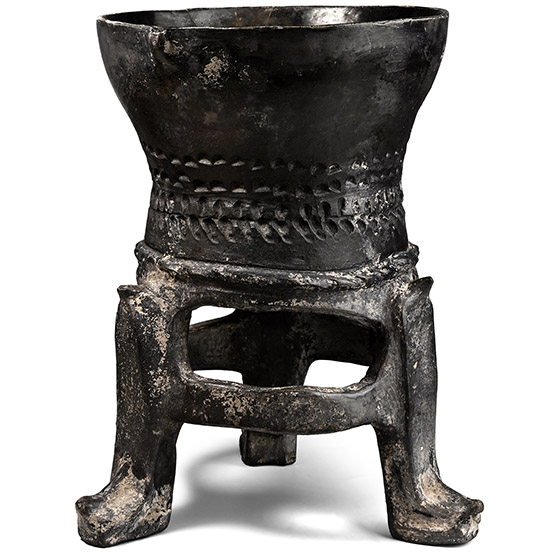
Large Azerbaijan Hasanlu Tepe Pottery Vessel
Circa 1000-700 B.C.Sold for (Inc. bp): £936
Comprising a broad bell-shaped bowl with flat rim attached by a thick trunk with four rows of angled impressions to a tripod base with sturdy curved legs with inner supporting ring and keeled finials. 5.28 kg, 35.5 cm
with Mahboubian Gallery, London, UK, 1974. Private collection, London, UK. -
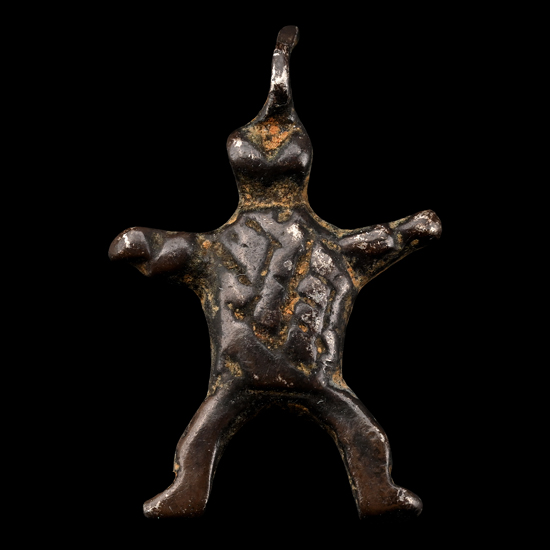
Western Asiatic Silver Amulet
12th-15th century A.D.Sold for (Inc. bp): £39
Formed as a splayed animal figure with an integral loop. 2.16 grams, 21 mm
From the collection of a gentleman, acquired on the London art market in the 1990s.
