
Loading, please wait...
LOT 1529
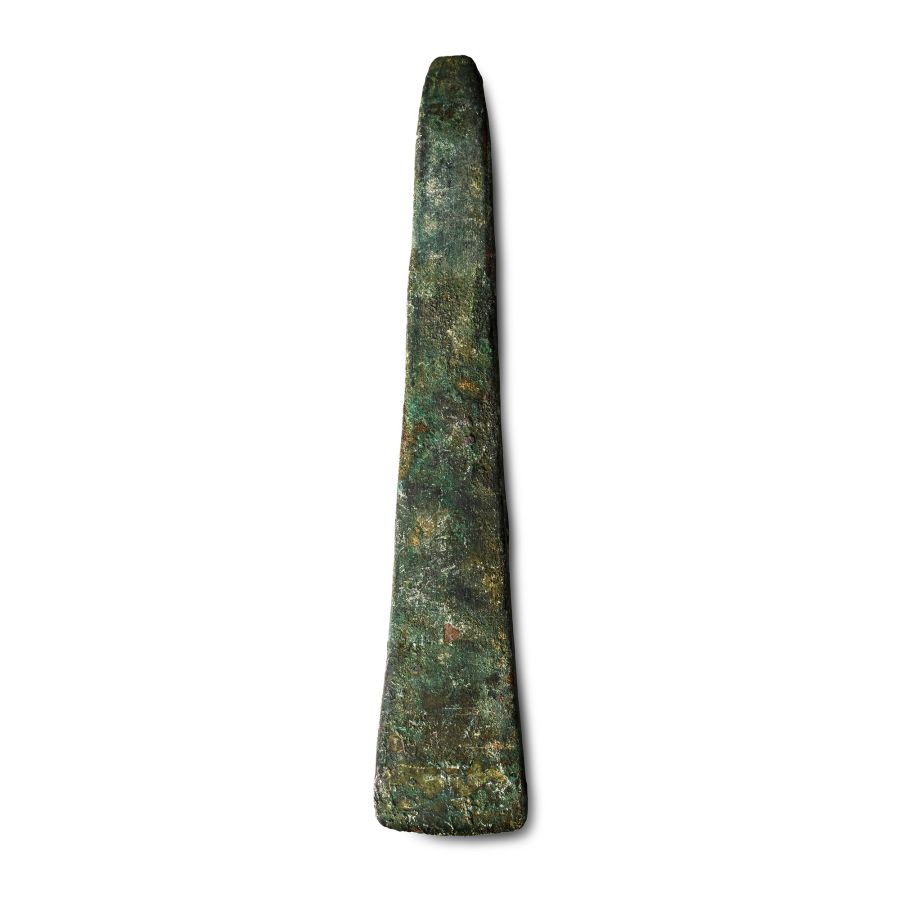
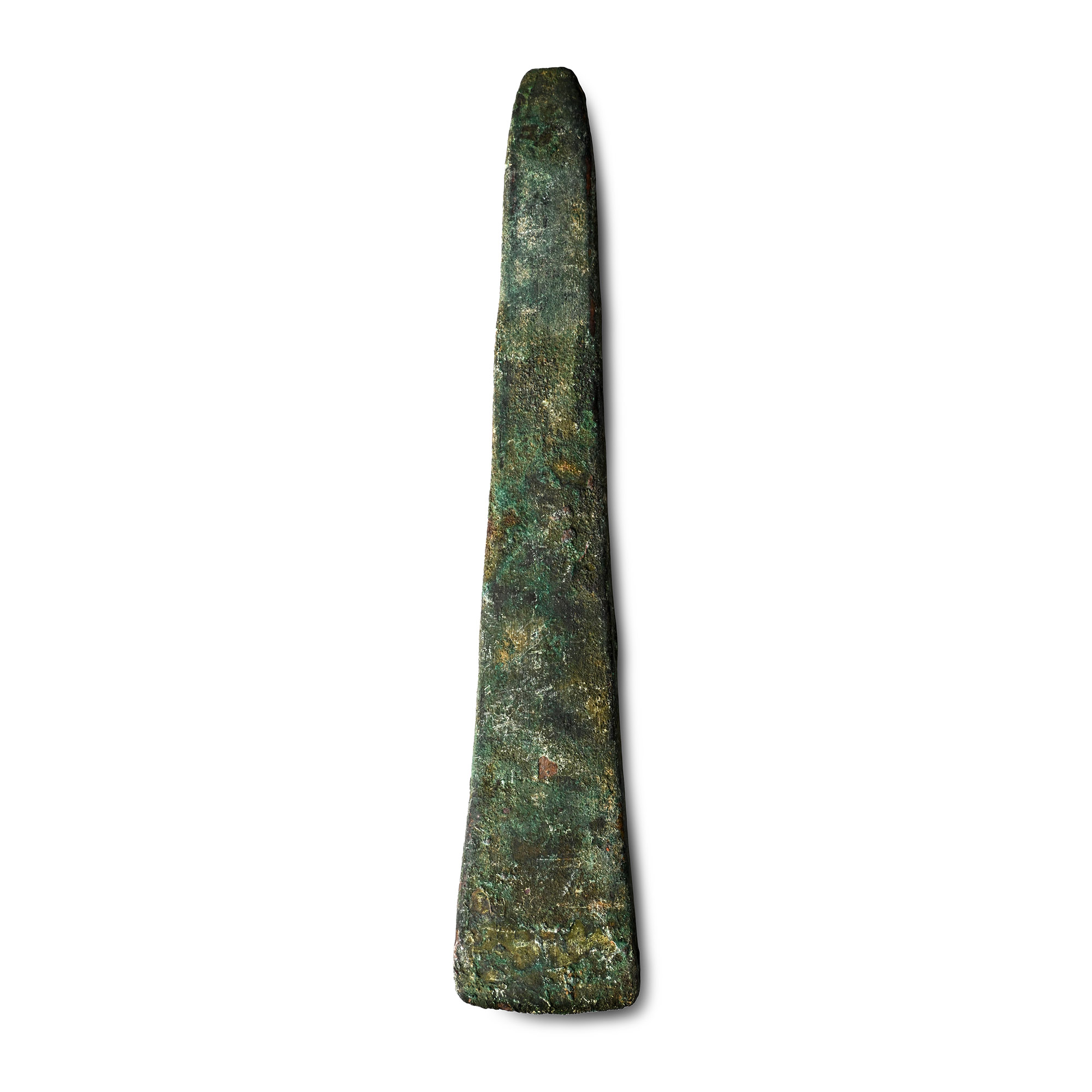
Western Asiatic Bronze Flat Axe
2ND MILLENNIUM B.C.
7 1/4 in. (264 grams, 18.5 cm).
Trapezoid blade with narrow butt and curved cutting edge, rectangular in cross-section. [No Reserve]
ProvenanceEx Abelita family collection, 1980s-2000s.
LiteratureCf. MacGregor, A. (ed.), Antiquities from Europe and the Near East in the Collection of Lord McAlpine of West Green, Oxford, 1987, item 17.10, for type.
FootnotesThis was one of the commonest tool types in the Early and Middle Cypriot Bronze Age, but rarer in the Late Bronze Age. These axes were fixed to a wooden shaft with thongs.
CONDITIONTimeLine Auctions follows a vetting process to ensure the authenticity and legality of all items, reinforcing our commitment to integrity and responsible trading. Each antiquity, antique, and coin lot undergoes thorough examination by a vetting committee of at least ten external specialists, professional trade association members, scientists, and archaeologists: Our Vetting Process
AUCTIONS:
TimeLine is a leading auction house specialising in antiquities, ancient art, collectables, natural history, coins, medals, and books. Our auctions offer museums, collectors, historians, and enthusiasts the opportunity to acquire unique and historically significant pieces.
-
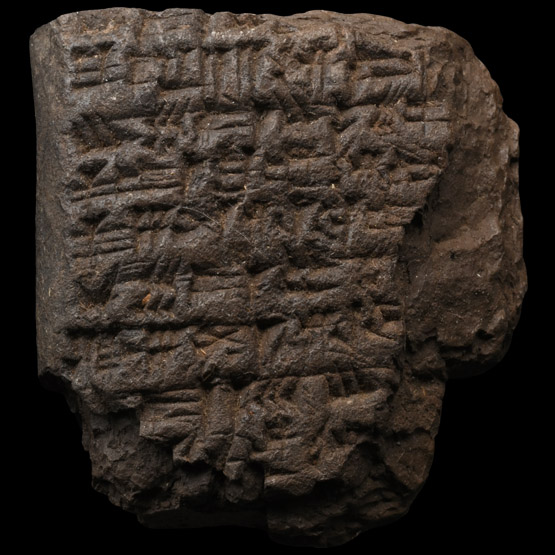
Babylonian Cuneiform Tablet Section
2nd millennium B.C.Sold for (Inc. bp): £390
Fragment of a pillow-shaped tablet with impressed cuneiform text to the outer surface. 51.8 grams, 50 mm
From an old English collection formed before 1990. Acquired from Alan Cherry, Bournemouth, Dorset. Property of an Essex, UK, gentleman. -
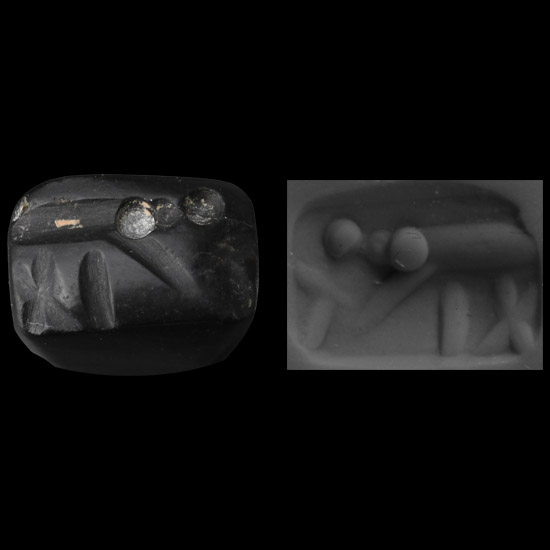
Neo-Babylonian Stone Stamp Seal
Circa 600 B.C.Sold for (Inc. bp): £20
Rectangular in section and tongue-shaped in profile with incised quadruped motif. 4.45 grams, 20 mm
From the collection of a gentleman, acquired on the London art market in the 1990s. -
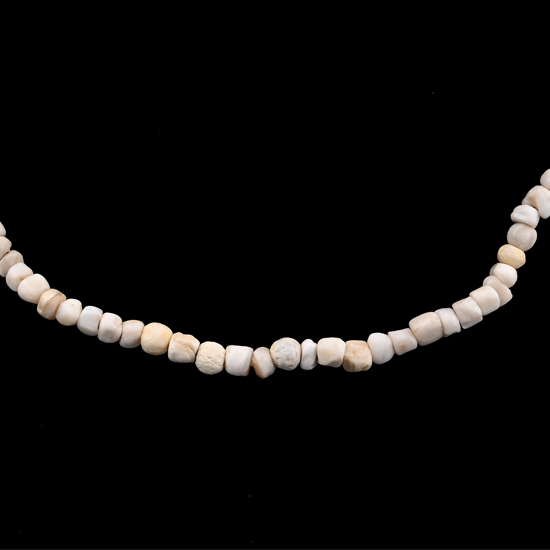
Western Asiatic Stone Bead Necklace String
1st millennium B.C. and laterSold for (Inc. bp): £26
Composed mainly of oblate beads; restrung. 11.62 grams, 37 cm long
Ex North London collection from the 1980s-1990s. Property of a West Northamptonshire, UK, gentleman. Accompanied by a Den of Antiquity certificate of authenticity.
