
Loading, please wait...
LOT 1126
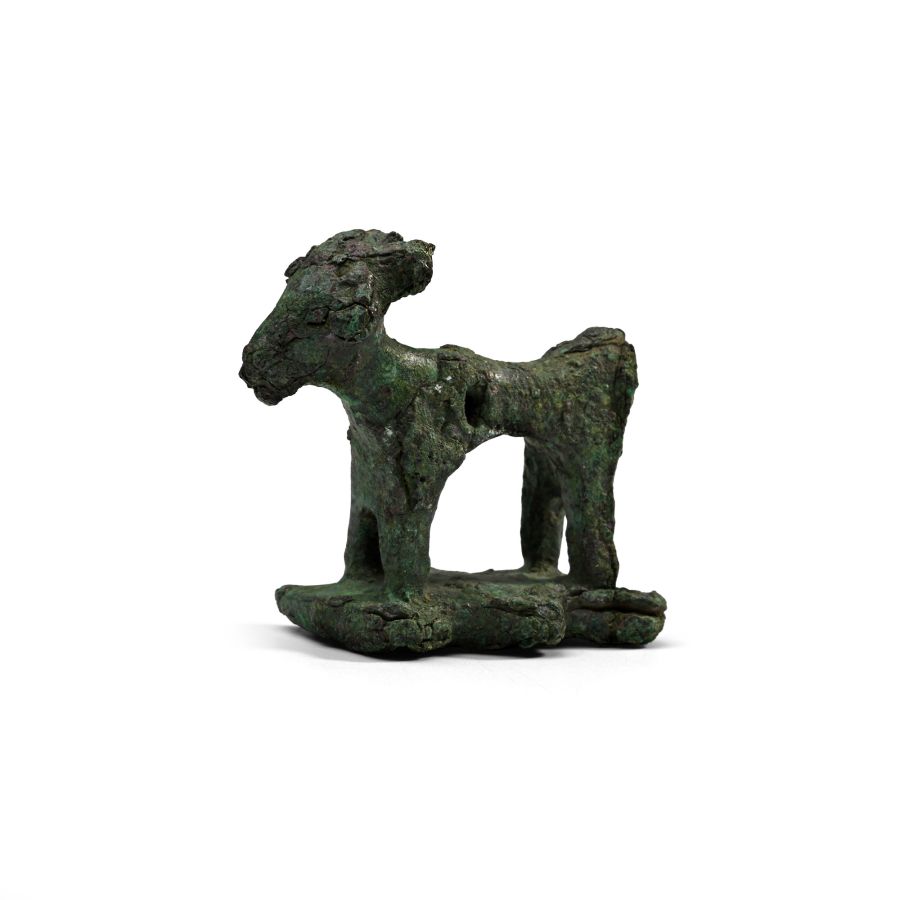
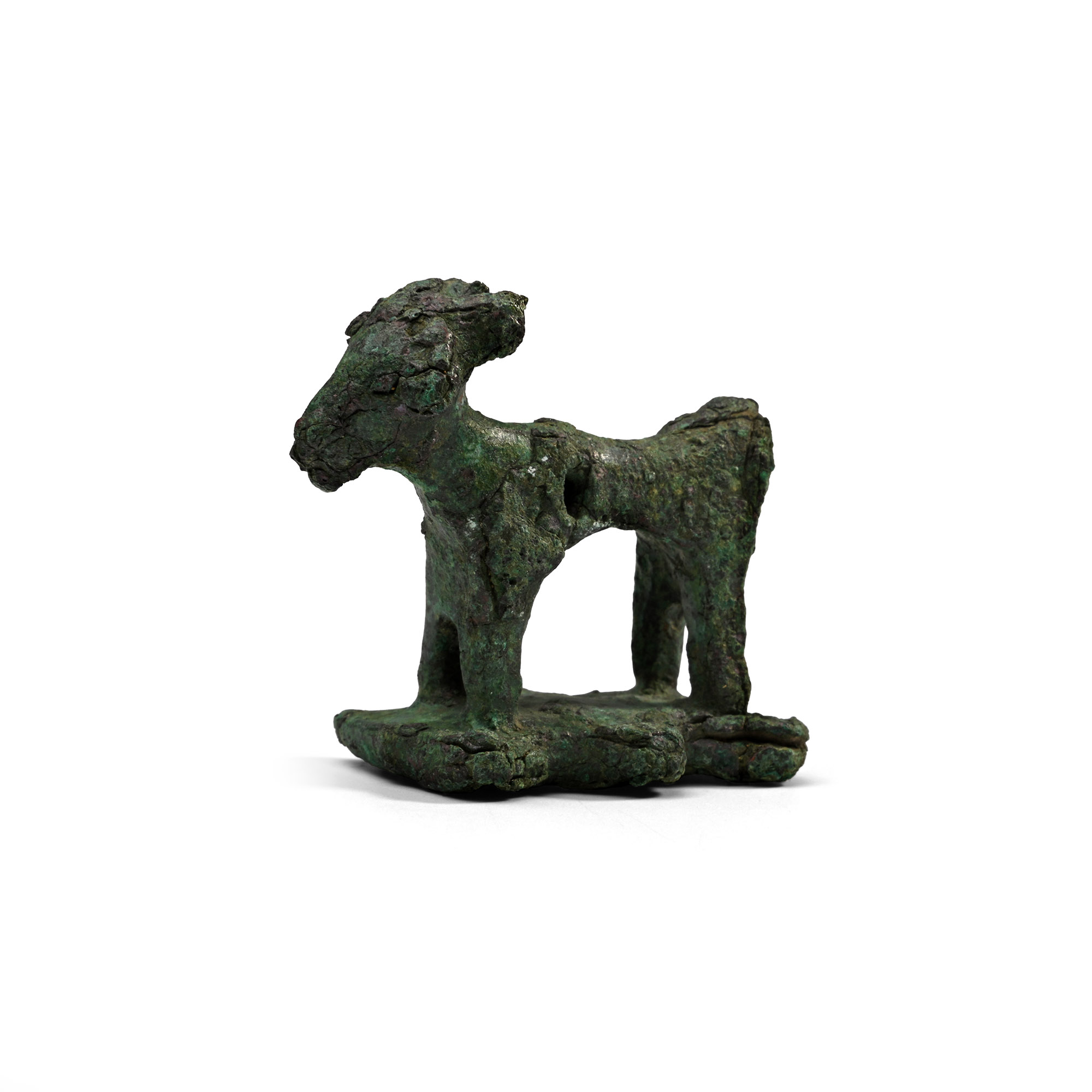
Western Asiatic Bronze Figure of a Goat with Stamp Seal Base
CIRCA 1000-600 B.C.
2 in. (73 grams, 49 mm).
Modelled standing on a wheatsheaf-shaped seal matrix, pierced through the body.
ProvenanceNicolas Koutoulakis (1910-1996), thence by descent.
Ex Galerie Khnoum, Geneva, Switzerland.
Private collection of Mr K.A.
This lot has been cleared against the Art Loss Register database, and is accompanied by an illustrated lot declaration signed by the Head of the Antiquities Department, Dr Raffaele D'Amato.
TimeLine Auctions follows a vetting process to ensure the authenticity and legality of all items, reinforcing our commitment to integrity and responsible trading. Each antiquity, antique, and coin lot undergoes thorough examination by a vetting committee of at least ten external specialists, professional trade association members, scientists, and archaeologists: Our Vetting Process
AUCTIONS:
TimeLine is a leading auction house specialising in antiquities, ancient art, collectables, natural history, coins, medals, and books. Our auctions offer museums, collectors, historians, and enthusiasts the opportunity to acquire unique and historically significant pieces.
LOT 1126
Western Asiatic Bronze Figure of a Goat with Stamp Seal Base
Sold for (Inc. bp): £117
-
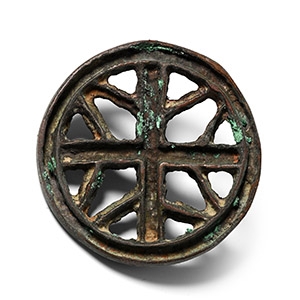
West Central Asian Bronze Stamp Seal with Cross
Circa 2300-2000 B.C.Sold for (Inc. bp): £117
Openwork stamp with loop handle; accompanied by an old scholarly note, typed and signed by W.G. Lambert, late Professor of Assyriology, University of Birmingham, 1970-1993, which states: 'Stamp Seal of Bronze, 50x49x15 mm. This is round with flat face and flat back, on which is mounted a handle of inverted V-shape. The design, which is both compartmented and open-work, consists of a plain cross within a plain outer band, and between the arms of the cross two struts at angles creating the impression of a start with four points beneath the cross. This comes from west central Asia and dates to c. 2300-2000 B.C. It is in very good condition and has been conserved.' 23 grams, 50 mm
Acquired in the late 1980s-early 1990s. Ex property of a West London businessman. Academically researched and catalogued by the late Professor Lambert in the early 1990s. This lot has been cleared against the Art Loss Register database, and is accompanied by an illustrated lot declaration signed by the Head of the Antiquities Department, Dr Raffaele D'Amato. -
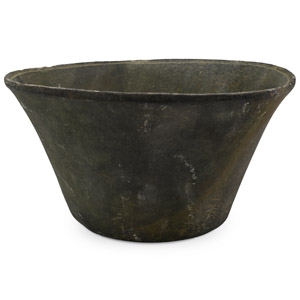
Mesopotamian Stone Vessel
1st millennium B.C.Sold for (Inc. bp): £143
With broad base, flared sidewall, stepped inner face to rim. 736 grams, 18.4 cm wide
From a collection formed before 1990. Ex Mayfair, London, UK, gallery, 2000s. This lot has been cleared against the Art Loss Register database, and is accompanied by an illustrated lot declaration signed by the Head of the Antiquities Department, Dr Raffaele D'Amato. -
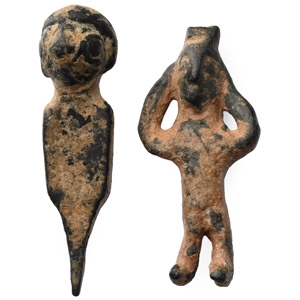
Luristan Bronze Idol Group
2nd-1st millennium B.C.Sold for (Inc. bp): £78
Comprising standing figure with raised hands touching head; flat rectangular body with tapering lower section and globular stylised head finial. 13.5 grams total, 32-35 mm
UK private collection before 2000. Acquired on the UK art market. Private collection, London, UK. This lot has been cleared against the Art Loss Register database, and is accompanied by an illustrated lot declaration signed by the Head of the Antiquities Department, Dr Raffaele D'Amato.
