
Loading, please wait...
LOT 1317
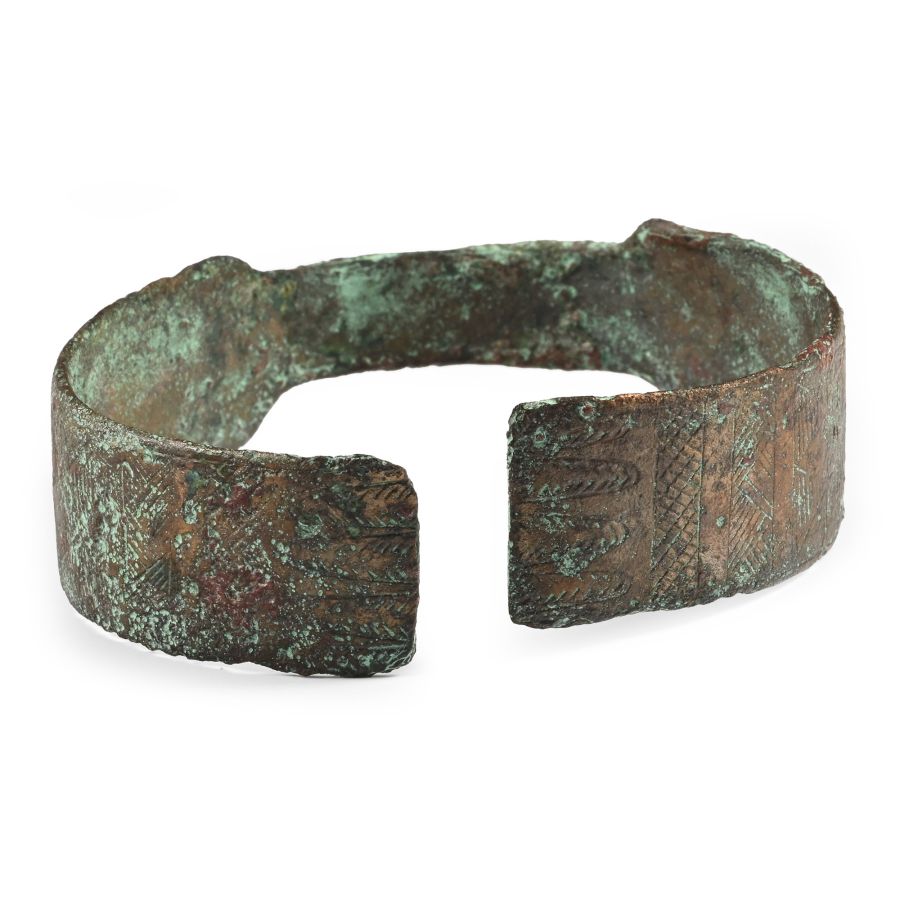
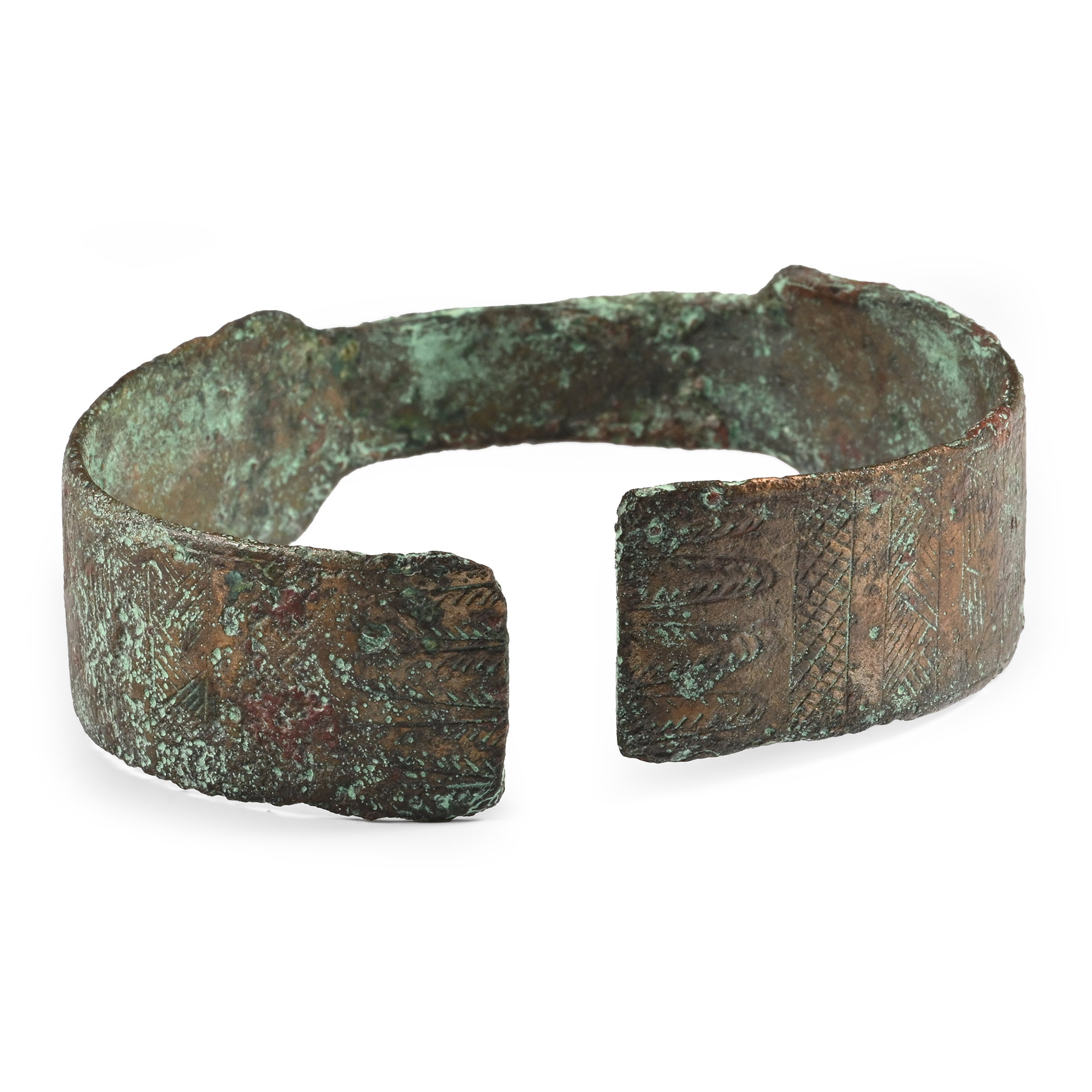
Western Asiatic Bronze Decorated Bracelet
1ST MILLENNIUM B.C.
2 7/8 in. (47 grams, 72 mm).
Penannular in form with low-relief hatched panels and other ornament. [No Reserve]
ProvenanceUK private collection before 2000.
Acquired on the UK art market.
Property of a London, UK, gentleman.
This lot has been cleared against the Art Loss Register database, and is accompanied by an illustrated lot declaration signed by the Head of the Antiquities Department, Dr Raffaele D'Amato.
TimeLine Auctions follows a vetting process to ensure the authenticity and legality of all items, reinforcing our commitment to integrity and responsible trading. Each antiquity, antique, and coin lot undergoes thorough examination by a vetting committee of at least ten external specialists, professional trade association members, scientists, and archaeologists: Our Vetting Process
AUCTIONS:
TimeLine is a leading auction house specialising in antiquities, ancient art, collectables, natural history, coins, medals, and books. Our auctions offer museums, collectors, historians, and enthusiasts the opportunity to acquire unique and historically significant pieces.
-
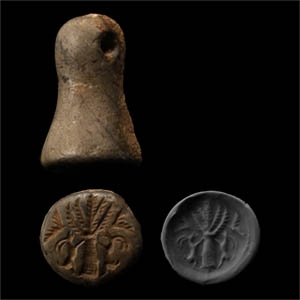
Urartu Grey Stone Stamp Seal
1st millennium B.C.Sold for (Inc. bp): £260
Conical in profile with pierced lug handle; intaglio figure of the 'Tree of Life' with lateral rampant ibexes. 26.4 grams, 39 mm
From the collection of Mr S.M., London, UK, formed from 1979-1999. This lot has been cleared against the Art Loss Register database, and is accompanied by an illustrated lot declaration signed by the Head of the Antiquities Department, Dr Raffaele D'Amato. -
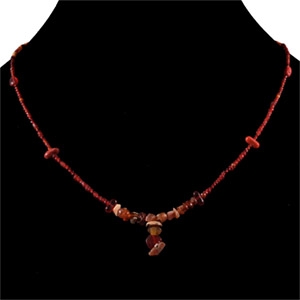
Western Asiatic Red Glass Bead Necklace String
1st millennium B.C. and laterSold for (Inc. bp): £72
A designer necklace composed of small oblate beads with larger feature beads, restrung to a Y-shape with irregular feature beads. 6.7 grams, 39 cm
Acquired 1980-2015. Ex Abelita family collection. This lot has been cleared against the Art Loss Register database, and is accompanied by an illustrated lot declaration signed by the Head of the Antiquities Department, Dr Raffaele D'Amato. -
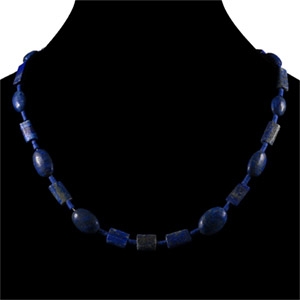
Bactrian Style Lapis Lazuli Bead Necklace String
20th century A.D.Sold for (Inc. bp): £39
Composed of alternating tabular and oval beads interspersed with small tubular beads; restrung. 40.9 grams, 44 cm
Ex London art market. Property of a North London, UK, gentleman. This lot has been cleared against the Art Loss Register database, and is accompanied by an illustrated lot declaration signed by the Head of the Antiquities Department, Dr Raffaele D'Amato.
