
Loading, please wait...
LOT 1482
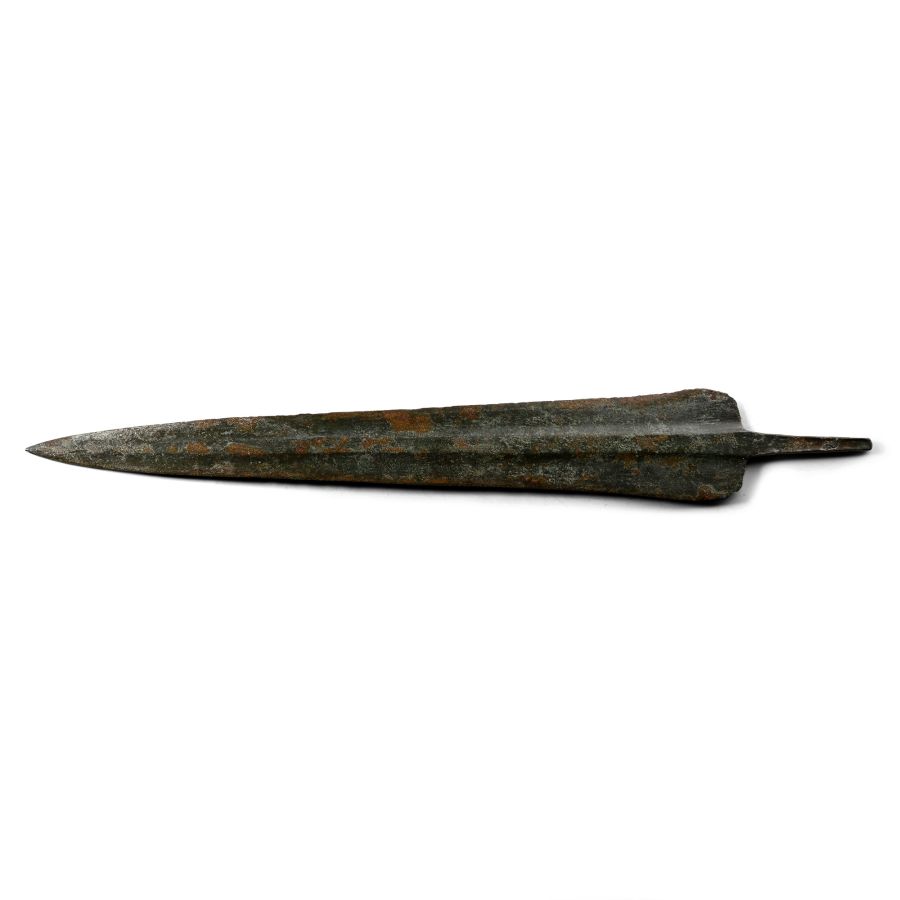
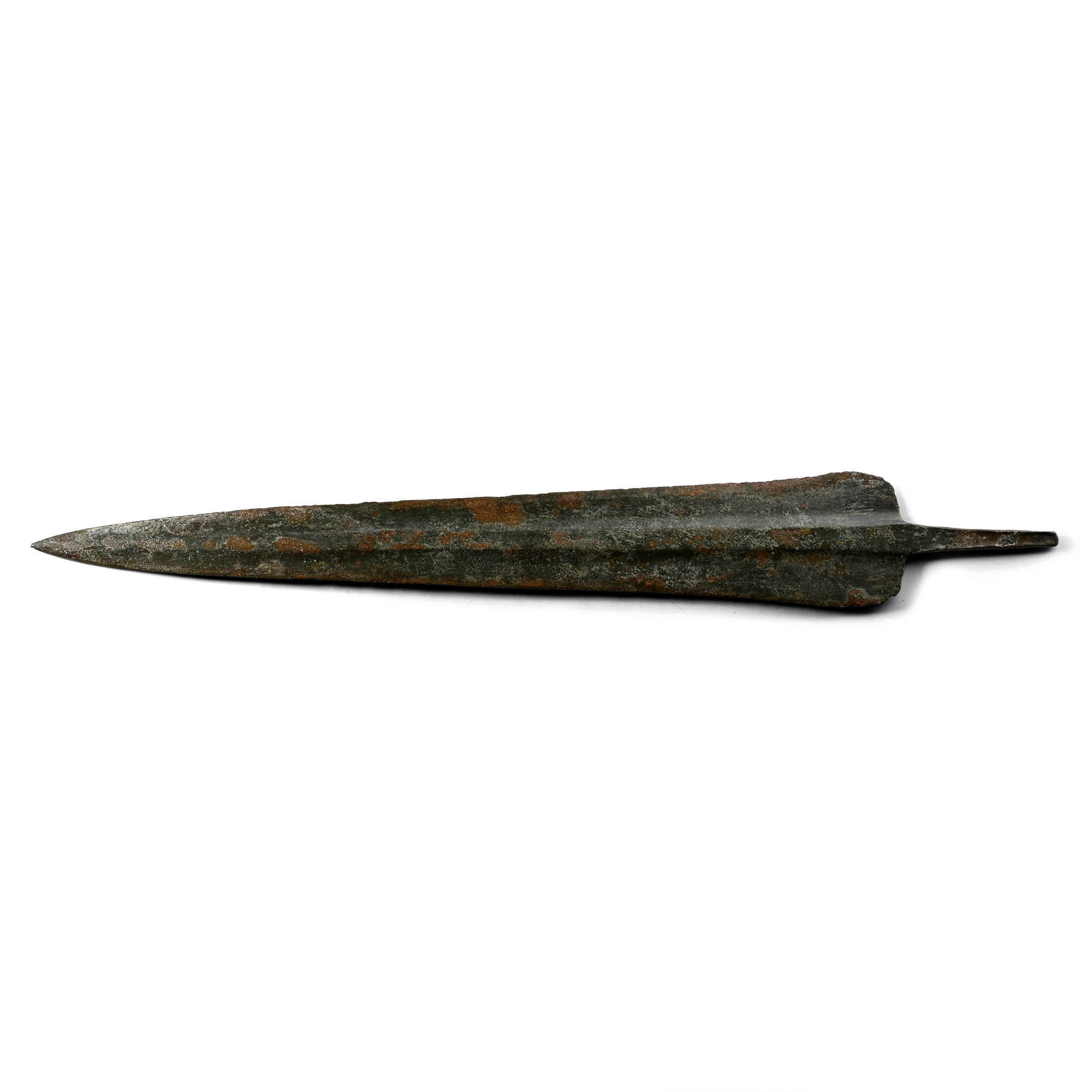
Western Asiatic Bronze Dagger
14TH-10TH CENTURY B.C.
12 1/4 in. (130 grams, 31 cm).
Triangular blade with raised midrib and a rectangular-section tang.
ProvenanceEx Abelita family collection, 1990s.
LiteratureCf. Khorasani, M.M., Arms and Armor from Iran: The Bronze Age to the End of the Qajar Period, Tübingen, 2006, p.628, no.275, for type.
CONDITIONTimeLine Auctions follows a vetting process to ensure the authenticity and legality of all items, reinforcing our commitment to integrity and responsible trading. Each antiquity, antique, and coin lot undergoes thorough examination by a vetting committee of at least ten external specialists, professional trade association members, scientists, and archaeologists: Our Vetting Process
AUCTIONS:
TimeLine is a leading auction house specialising in antiquities, ancient art, collectables, natural history, coins, medals, and books. Our auctions offer museums, collectors, historians, and enthusiasts the opportunity to acquire unique and historically significant pieces.
-
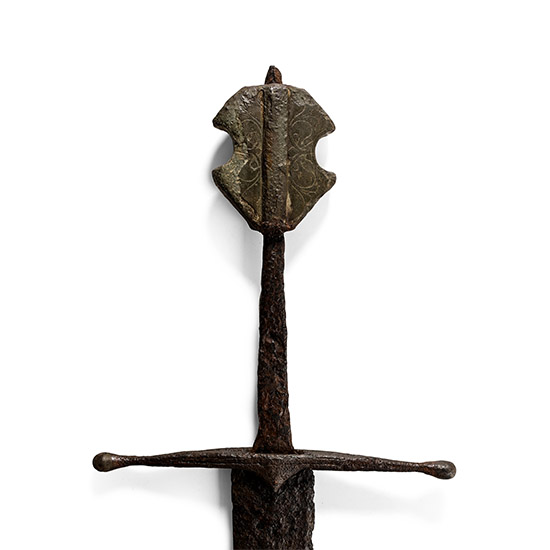
Medieval Iron Single-Handed Sword with Decorated Bronze Pommel
14th-15th century A.D.Sold for (Inc. bp): £3,510
Longsword of Oakeshott's Type XVa, cross style 1, with two-edged lenticular-section piled blade with taper overall to a narrow point; quillons round in section with taper to ends and bronze lobe finials, median locket to lower edge; flat-section tang tapering to the upper end; the pommel a variant of Oakshott's Type V with median vertical band to each face, piriform block with lateral scoops. 1.07 kg, 105 cm
From the private family collection of a lady, UK; acquired in Germany, mid-20th century. Accompanied by an academic report by Dr Raffaele D’Amato. This lot has been checked against the Interpol Database of stolen works of art and is accompanied by search certificate number no.13301-257660.
The Type XVa of Oakeshott has a blade similar to the Type XV, being generally more slender than its parent type, and having a grip which is much longer, ranging from seven to nine inches long or more. This style of sword appears to have been popular in the 14th century, based on surviving examples. Interesting is here the style of the quillons, which are rare: in style 11 the guard may be long or short, curved or straight, but always characterised by knobbed ends and a circular or rhomboidal in section. A sword found in the River Ouse in Surrey shows a similar blade, with a flat oval diamond section, and the outline is such that the sword could be regarded as of type XV, although many swords of type XVII are of the same shape and proportions. -
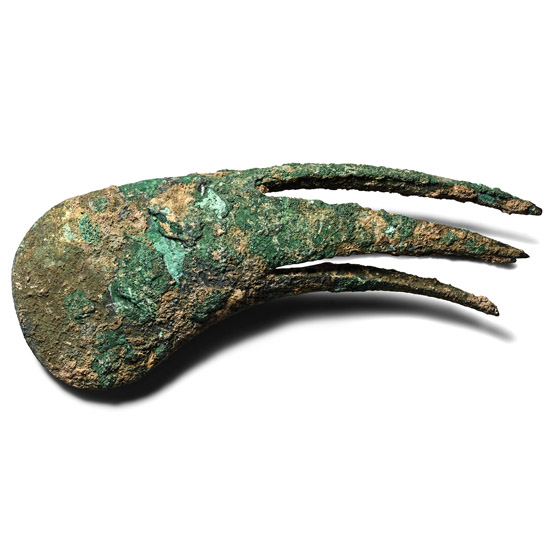
Bactrian Bronze Claw Axehead
3rd millennium B.C.Sold for (Inc. bp): £182
Egg-shaped with spiked prongs to the socket, narrow, rounded cutting edge. 165 grams, 11.9 cm
From a UK collection formed in the 1980s. Property of an Essex, UK, gentleman.
The 'claw mace' was an enigmatic ancient bronze weapon from the Bronze Age Near East. The hollow bulbous head was trailed by tines of varying lengths. It is believed that it was affixed over a wooden shaft and used like a club in combat, and not necessarily used as a ceremonial weapon. The knife-edge bulb end could have broken bones and proven to be a formidable striking weapon requiring no skill to wield. The tines would have not only been decorative, but would have served to add strength below the striking end to prevent breakage. In battle, maces were often used by commanders to display rank when giving orders in battle and leading soldiers, inspiring leadership and power. Egg-shaped with spiked sleeves or prongs, the top of the weapon has a narrow edge, and the sleeves have small internal tangs for mounting. -
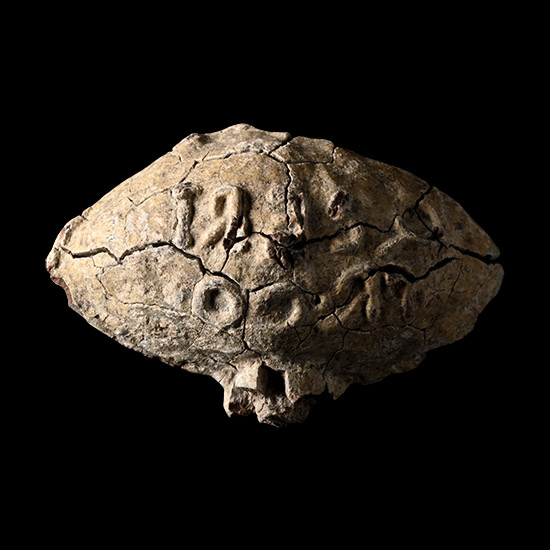
Roman Lead Slingshot of Quintus Sertorius
Circa 82-72 B.C.Sold for (Inc. bp): £182
Lentoid in form with raised legend to reverse 'Q.SERT / PRO C'; casting seam and flange. 59.6 grams, 37 mm
Acquired on the UK art market, early 2000s. Property of a London, UK, antiquarian.
The inscription may refer to Quintus Sertorius, the Roman statesman and general (123-72 BC). In late 82 BC, Sertorius, linked to the party of populares of Gaius Marius, was proscribed by Sulla and forced from his province in Hispania. However, he soon returned in early 80 BC, representing himself as a Roman proconsul resisting the Sullan regime at Rome. Being Proconsul in this Hispania from 82 to 73 B.C., the slingshots of his army were bearing the inscription 'Q.SERT / PRO C' (Quintus Sertorius Proconsul).
