
Loading, please wait...
LOT 1408
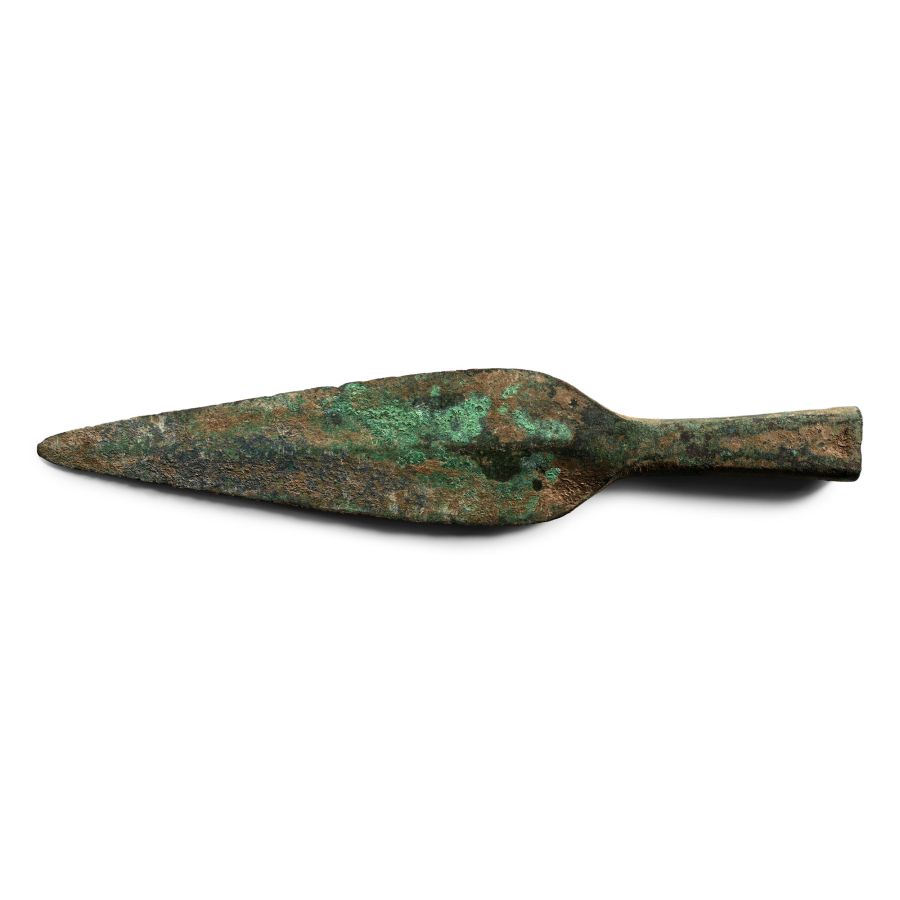
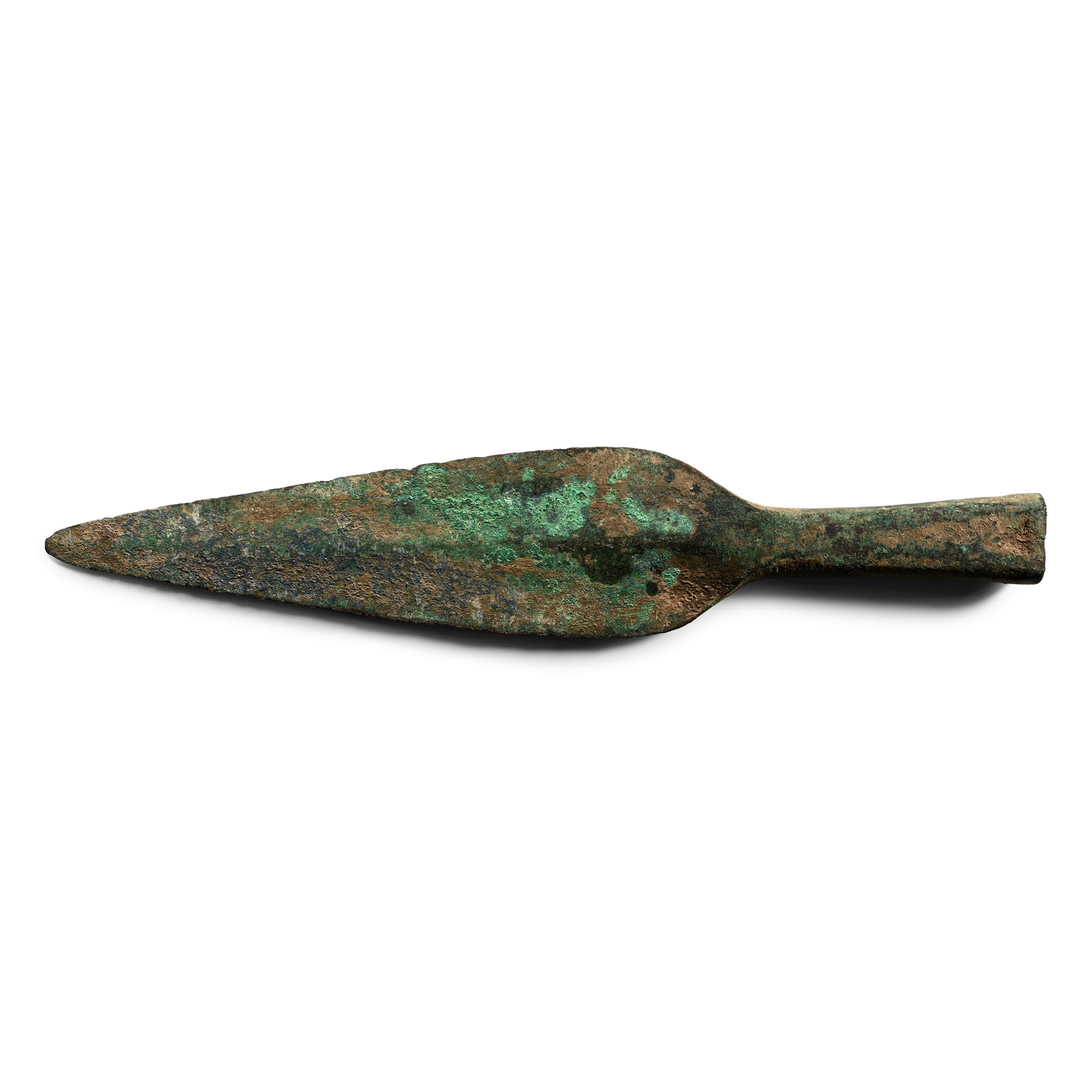
Western Asiatic Bronze Dagger
3RD MILLENNIUM B.C.
11 1/2 in. (381 grams, 28.8 cm).
Featuring a flat leaf-shaped blade, slightly rounded shoulders with curved terminals, square-section handle.
ProvenanceAcquired 1980-2015.
Ex Abelita family collection.
This lot has been cleared against the Art Loss Register database, and is accompanied by an illustrated lot declaration signed by the Head of the Antiquities Department, Dr Raffaele D'Amato.
See Maxwell-Hyslop, R., 'Daggers and swords in Western Asia: a Study from Prehistoric Times to 600BC,' in Iraq, Volume 8, 1946, pp.1-65, pl.I, type 1.
FootnotesThis was one of the earliest forms of Western Asiatic daggers, but until the blade was strengthened by thickening or by having a midrib at the centre, and rivets were introduced, it must have often buckled up on impact. However, when compared to the earliest Egyptian types with its short triangular blade, this Asiatic dagger is longer, narrower, and probably more useful as an offensive weapon.
CONDITIONTimeLine Auctions follows a vetting process to ensure the authenticity and legality of all items, reinforcing our commitment to integrity and responsible trading. Each antiquity, antique, and coin lot undergoes thorough examination by a vetting committee of at least ten external specialists, professional trade association members, scientists, and archaeologists: Our Vetting Process
AUCTIONS:
TimeLine is a leading auction house specialising in antiquities, ancient art, collectables, natural history, coins, medals, and books. Our auctions offer museums, collectors, historians, and enthusiasts the opportunity to acquire unique and historically significant pieces.
-
.jpg)
Jade Plaque with Inscription
Probably Indian, 19th-20th century A.D.Sold for (Inc. bp): £234
Heart-shaped plaque with long drilled suspension bar above, obverse with nine lines of maghribi script. 41 grams, 73 mm
with a London, UK gallery, 1971-early 2000s. This lot has been cleared against the Art Loss Register database, and is accompanied by an illustrated lot declaration signed by the Head of the Antiquities Department, Dr Raffaele D'Amato. -
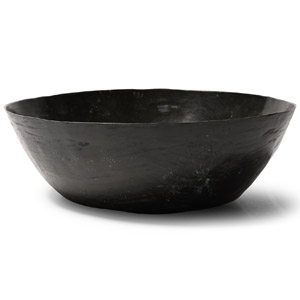
Sasanian High Tin Bronze Bowl
3rd-7th century A.D.Estimate: £100 - 140 (+bp*)
Opening Bid: £50
Low profile and gently flaring walls, incised concentric circles to the base. 171 grams, 16.5 cm
Acquired 1980-2015. Ex Abelita family collection. This lot has been cleared against the Art Loss Register database, and is accompanied by an illustrated lot declaration signed by the Head of the Antiquities Department, Dr Raffaele D'Amato. -
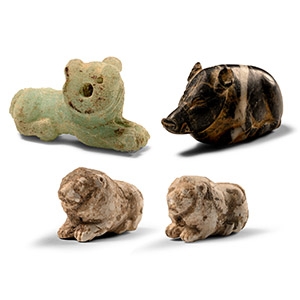
Western Asiatic Animal Amulet Collection
3rd-1st millennium B.C.Estimate: £800 - 1,000 (‡+bp*)
Opening Bid: £400
Group of four carved stone animals comprising: two limestone reclining lions; a green glass lion with head turned, loop to the reverse, socket for attachment of a separate face panel; boar crouching with legs folded beneath the body. 23 grams total, 21-30 mm
Acquired in Europe in 2002. European private collection. This lot has been cleared against the Art Loss Register database, and is accompanied by an illustrated lot declaration signed by the Head of the Antiquities Department, Dr Raffaele D'Amato.
