
Loading, please wait...
LOT 1470
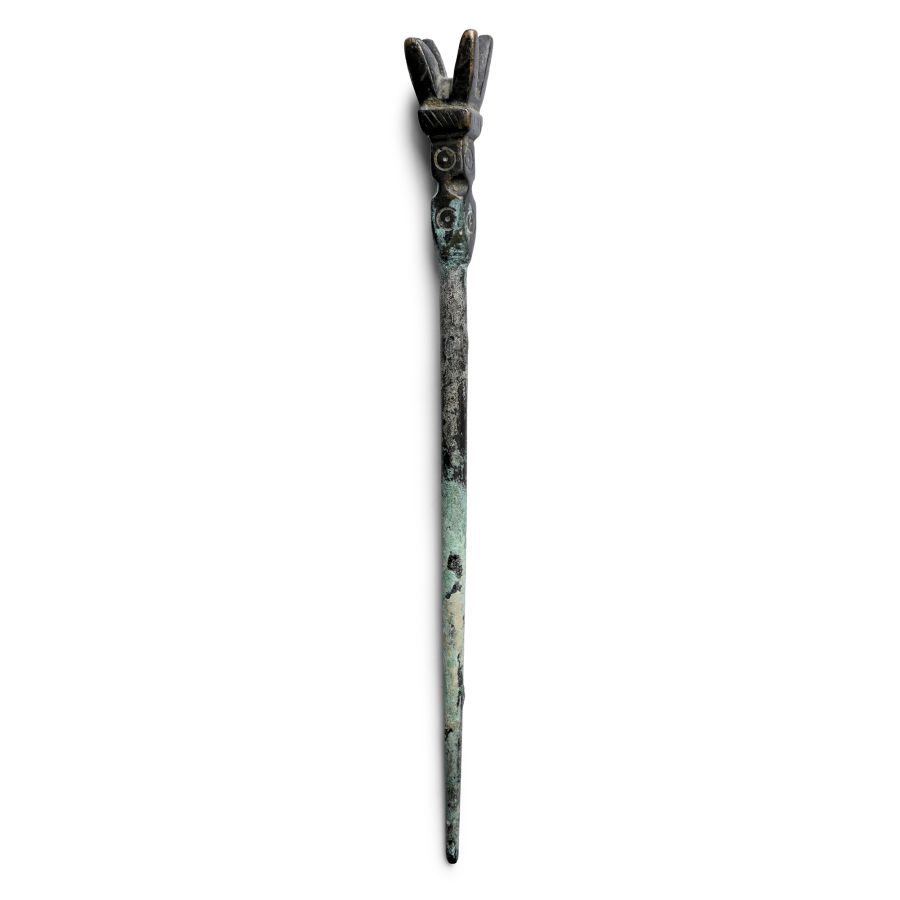
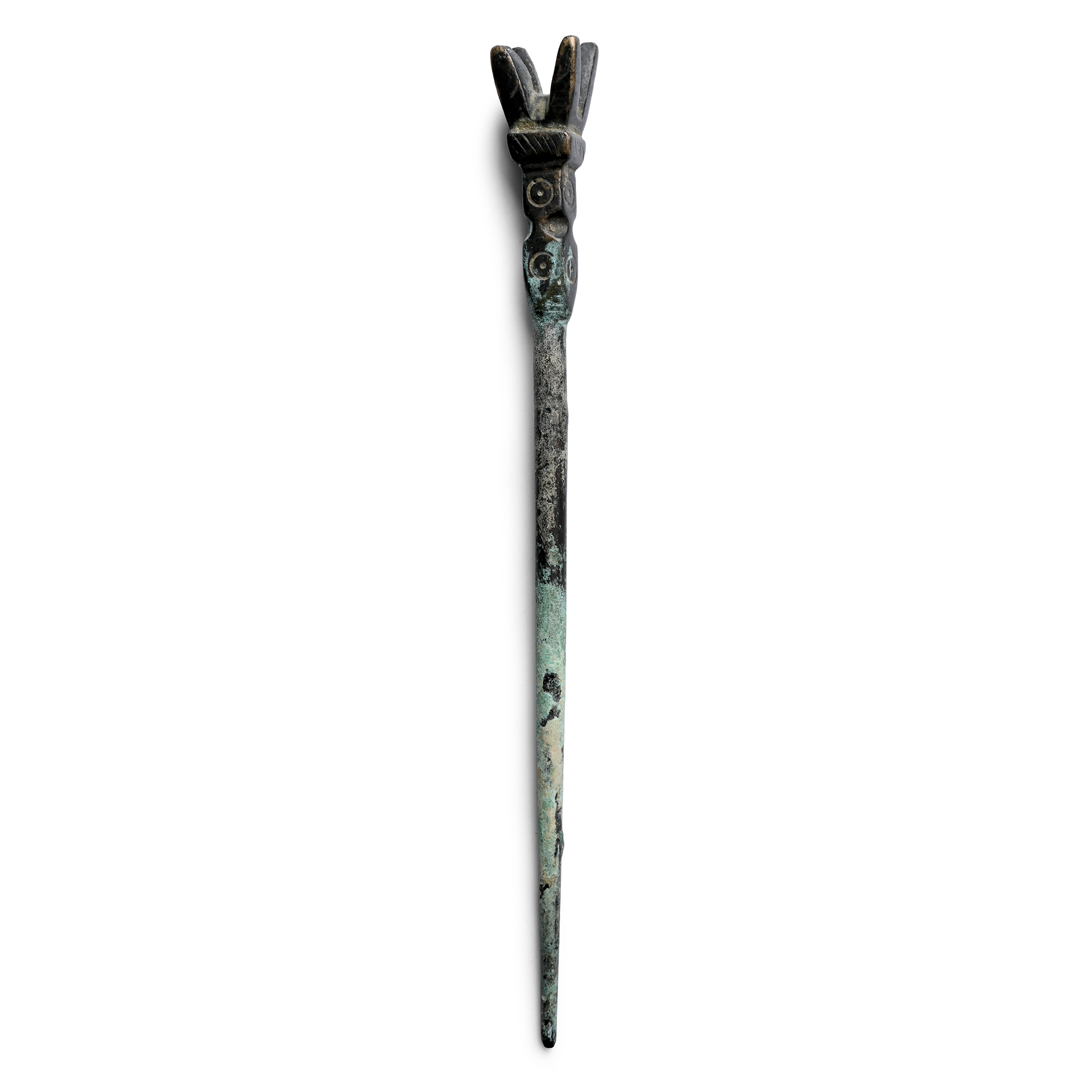
Western Asiatic Bronze Cloak Pin
BRONZE AGE, 2ND-1ST MILLENNIUM B.C.
5 3/4 in. (29.2 grams, 14.5 cm).
Comprising a round-section tapering pin, columnar finial with ring-and-dot decoration, and four vertical projections at the top. [No Reserve]
ProvenanceFrom the private collection of a European gentleman (1942-2024), formed since the 1970s.
CONDITIONTimeLine Auctions follows a vetting process to ensure the authenticity and legality of all items, reinforcing our commitment to integrity and responsible trading. Each antiquity, antique, and coin lot undergoes thorough examination by a vetting committee of at least ten external specialists, professional trade association members, scientists, and archaeologists: Our Vetting Process
AUCTIONS:
TimeLine is a leading auction house specialising in antiquities, ancient art, collectables, natural history, coins, medals, and books. Our auctions offer museums, collectors, historians, and enthusiasts the opportunity to acquire unique and historically significant pieces.
-
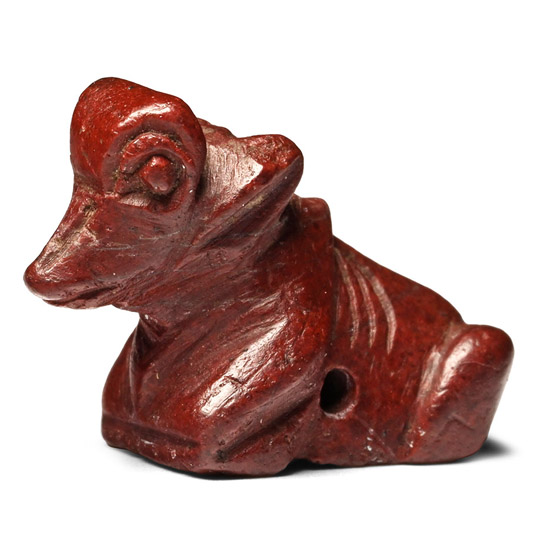
Urartian Jasper Bovine Seal Amulet
8th-7th century B.C.Sold for (Inc. bp): £195
Carved as a reclining bull with erect head, underside engraved with a winged quadruped. 2.67 grams, 21 mm
From the collection of Dr U.O., Zurich, acquired in the 1950s. with Rhea Galerie, Zurich, Switzerland. -
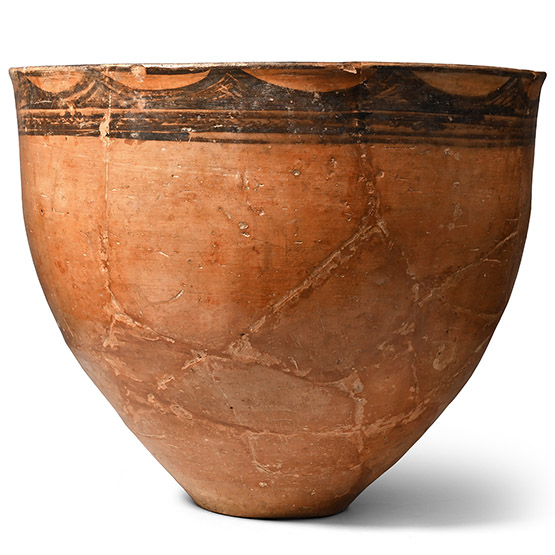
Large Western Asiatic Pottery Jar
Circa 3000 B.C.Sold for (Inc. bp): £442
Comprising a broad body with slightly flared rim and rounded body tapering to a narrow base; painted multilinear band below the rim with scoops above; repaired. 5 kg, 33.5 cm
with Mahboubian Gallery, London, UK, 1974. Private collection, London, UK. -
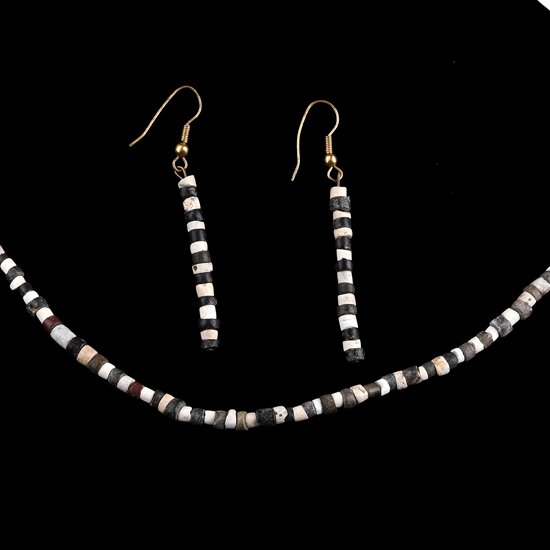
Western Asiatic Stone Bead Necklace and Earring Set
Sumerian, circa 3,000 B.C. and laterSold for (Inc. bp): £78
A matched set formed of alternating white and dark annular beads; restrung with a modern clasp and earring hooks. 15 grams total, 6.3-48 cm
Acquired from Ancient Art, London, UK. From the collection of a Nottingham, UK, collector, established from the early 2000s. Accompanied by the original Ancient Art certificate of authenticity.
