
Loading, please wait...
LOT 1698
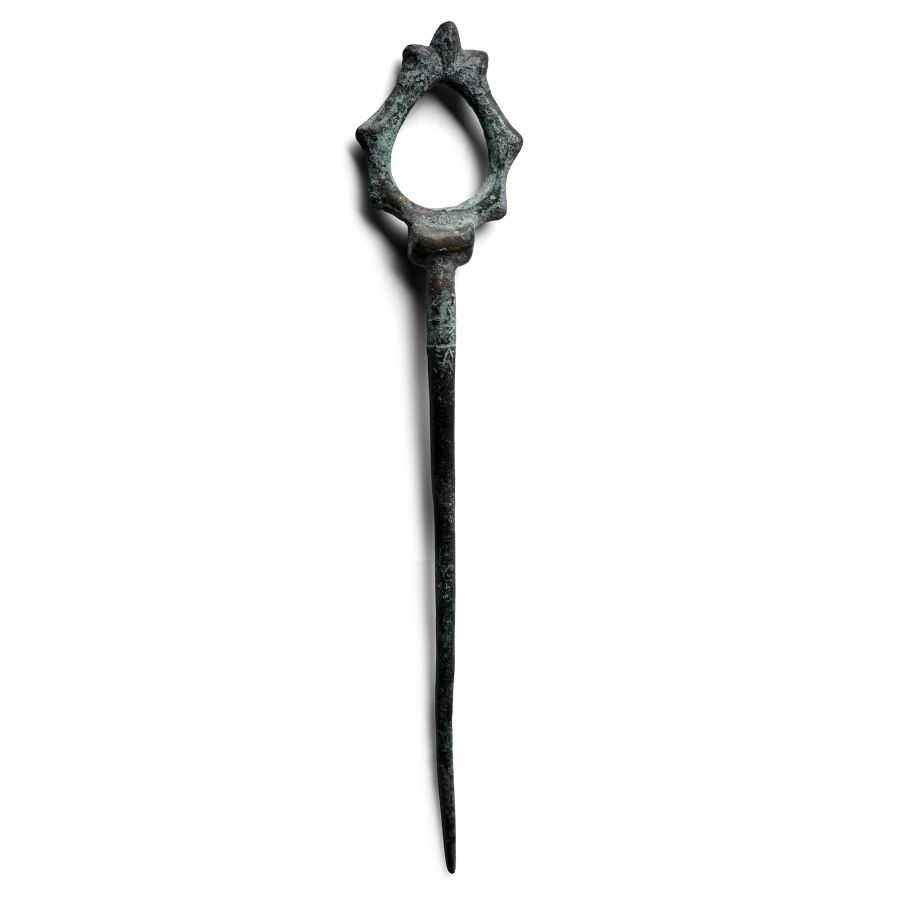
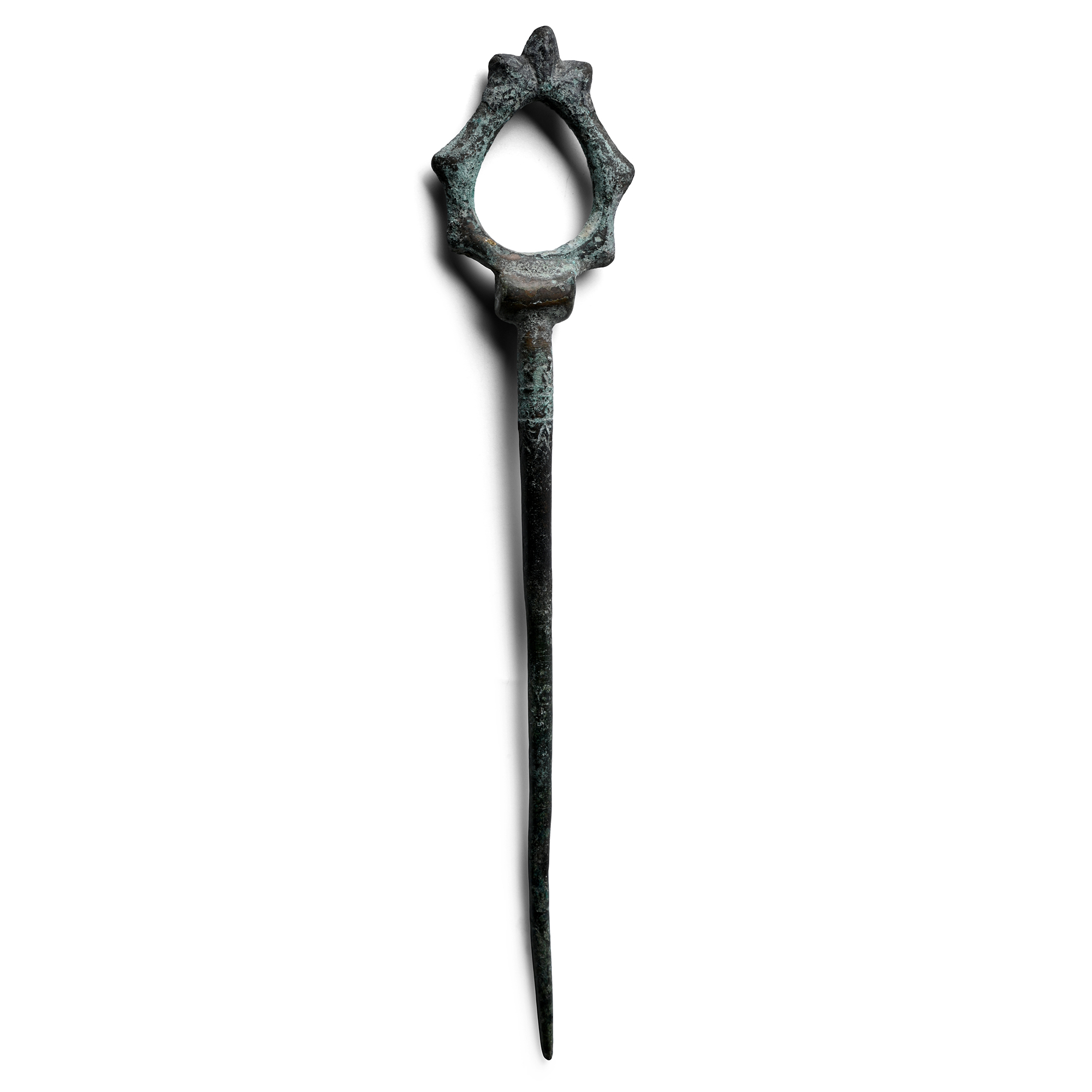
Western Asiatic Bronze Cloak Pin
BRONZE AGE, 2ND-1ST MILLENNIUM B.C.
6 3/8 in. (30 grams, 16.2 cm).
Substantial pin with tapering round-section shaft and looped finial. [No Reserve]
ProvenanceFrom the private collection of a European gentleman (1942-2024), formed since the 1970s.
CONDITIONTimeLine Auctions follows a vetting process to ensure the authenticity and legality of all items, reinforcing our commitment to integrity and responsible trading. Each antiquity, antique, and coin lot undergoes thorough examination by a vetting committee of at least ten external specialists, professional trade association members, scientists, and archaeologists: Our Vetting Process
AUCTIONS:
TimeLine is a leading auction house specialising in antiquities, ancient art, collectables, natural history, coins, medals, and books. Our auctions offer museums, collectors, historians, and enthusiasts the opportunity to acquire unique and historically significant pieces.
-
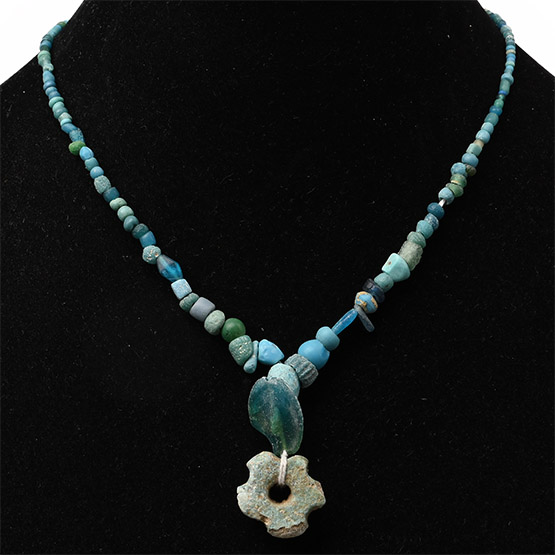
Achaemenid Blue Glass and Other Bead Necklace String
Mid 1st millennium B.C. and laterSold for (Inc. bp): £85
Composed of graduated turquoise and blue beads, the central feature with a 'spoked wheel' type bead, restrung. 14.1 grams, 35 cm
Ex London, UK, collection, 1990s. -
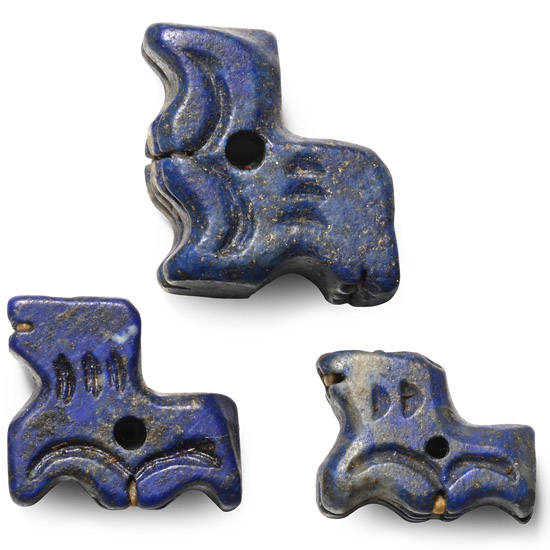
Western Asiatic Lapis Lazuli Zoomorphic Amuletic Bead Group
1st millennium B.C. or laterSold for (Inc. bp): £98
Comprising three stylised quadrupeds, likely representing lions with incised detailing and pierced through the body. 13.7 grams total, 17-20 mm
From the private collection of Mr S.M., London, Mayfair, acquired 1970s-1990s. Property of a West Northamptonshire, UK, gentleman. Accompanied by an Ancient Art certificate of authenticity. -
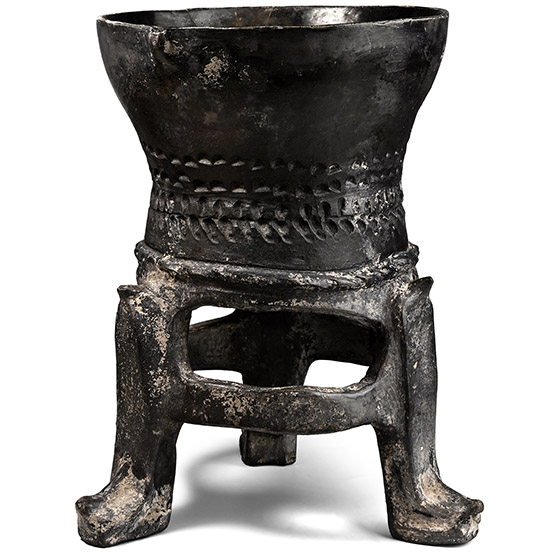
Large Azerbaijan Hasanlu Tepe Pottery Vessel
Circa 1000-700 B.C.Sold for (Inc. bp): £936
Comprising a broad bell-shaped bowl with flat rim attached by a thick trunk with four rows of angled impressions to a tripod base with sturdy curved legs with inner supporting ring and keeled finials. 5.28 kg, 35.5 cm
with Mahboubian Gallery, London, UK, 1974. Private collection, London, UK.
