
Loading, please wait...
LOT 1691
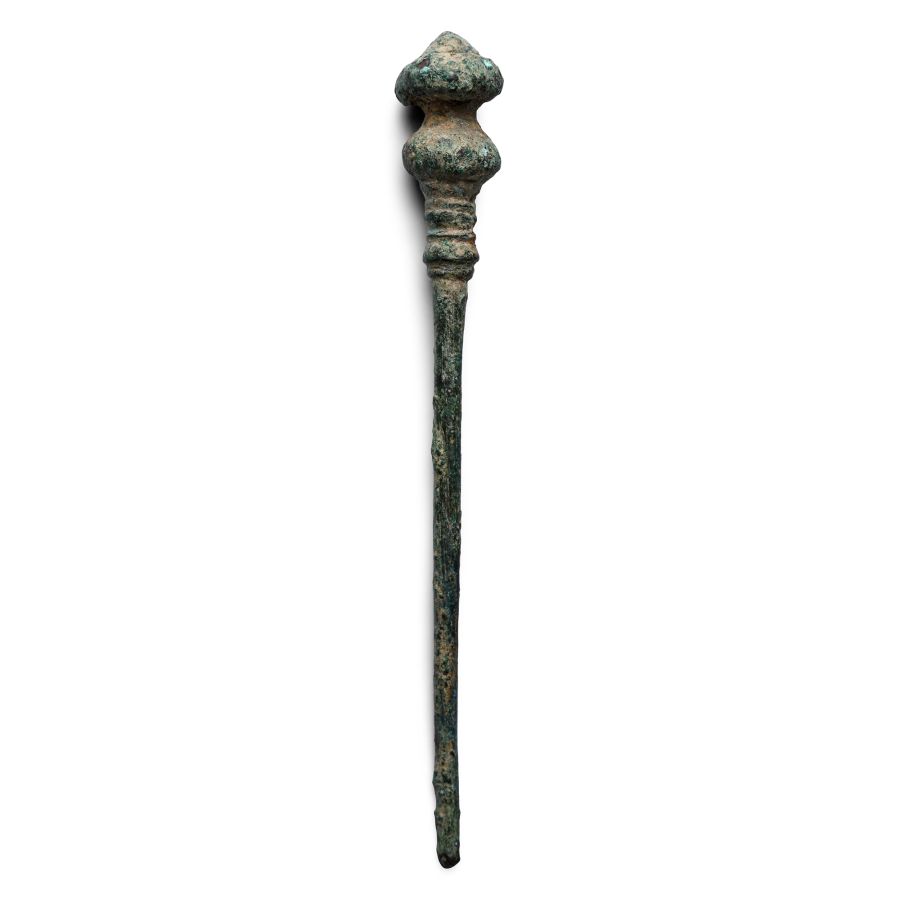
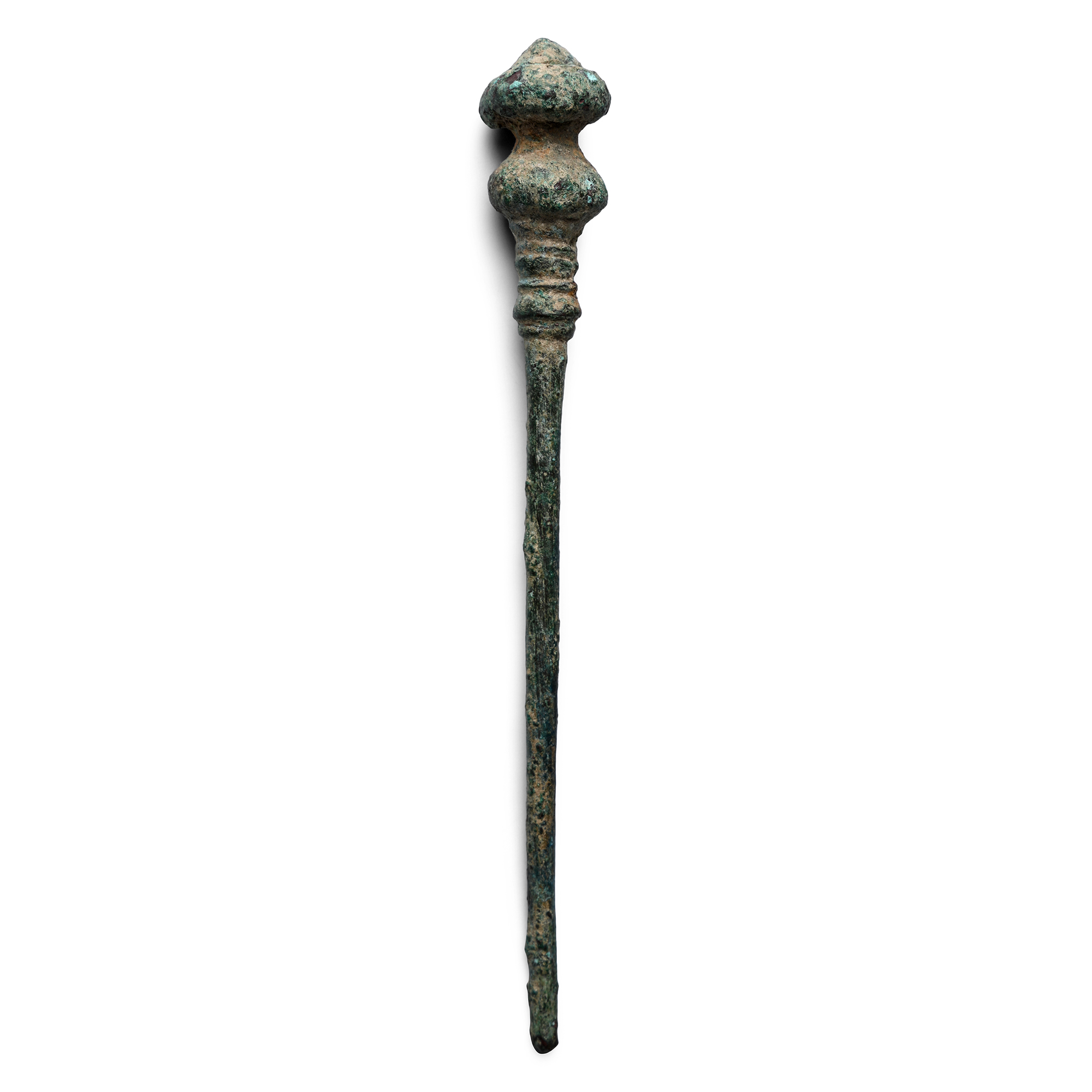
Western Asiatic Bronze Cloak Pin
BRONZE AGE, 2ND-1ST MILLENNIUM B.C.
4 3/4 in. (31.3 grams, 12.1 cm).
Comprising a tapering round-section pin with a balustered finial. [No Reserve]
ProvenanceFrom the private collection of a European gentleman (1942-2024), formed since the 1970s.
CONDITIONTimeLine Auctions follows a vetting process to ensure the authenticity and legality of all items, reinforcing our commitment to integrity and responsible trading. Each antiquity, antique, and coin lot undergoes thorough examination by a vetting committee of at least ten external specialists, professional trade association members, scientists, and archaeologists: Our Vetting Process
AUCTIONS:
TimeLine is a leading auction house specialising in antiquities, ancient art, collectables, natural history, coins, medals, and books. Our auctions offer museums, collectors, historians, and enthusiasts the opportunity to acquire unique and historically significant pieces.
-
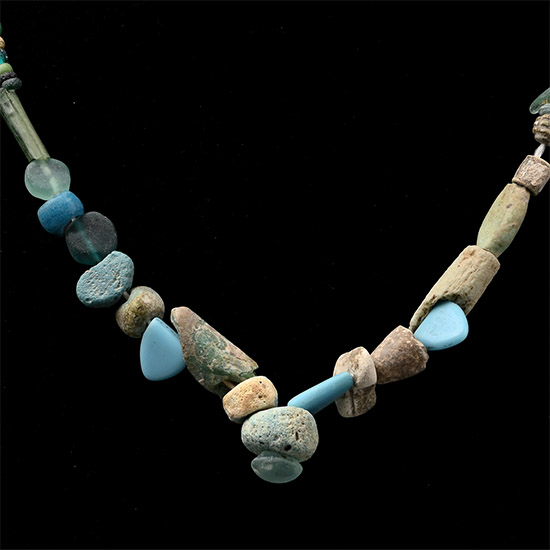
Western Asiatic Glass and Stone Bead Necklace String
1st millennium A.D. and laterSold for (Inc. bp): £39
Composed of mixed beads, including some reused bangle fragments, restrung. 18.7 grams, 35.5 cm
Ex London, UK, collection, 1990s. -
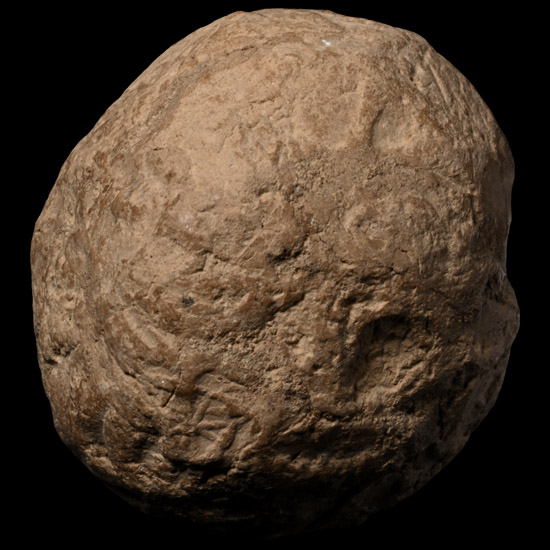
Mesopotamian Clay Bulla with Clay Tokens
Uruk, 3rd millennium B.C.Sold for (Inc. bp): £975
Spherical, undecorated bulla envelope containing clay tokens. 74 grams, 50 mm
Specialised collection of cuneiform texts, the property of a London gentleman and housed in London before 1992. Thence by descent to family members. Examined by Professor Wilfrid George Lambert FBA (1926-2011), historian, archaeologist, and specialist in Assyriology and Near Eastern archaeology, in the late 1980s and early 1990s. This small collection is exceptional for the variety of types, including some very rare and well-preserved examples. Accompanied by a previous cataloguing slip.
Small globular and hollow clay balls are defined as 'bulla'. They are also known as ‘bulla-envelopes', some of which are plain and some displaying epigraphic, zoomorphic and/or figural decoration, impressed by either cylinder or stamp seals. Bullae first emerged in Mesopotamia, and their earliest occurrence can be traced to circa 8000 B.C. Most known decorated bullae come from the Uruk area and offer an insight into its culture. -
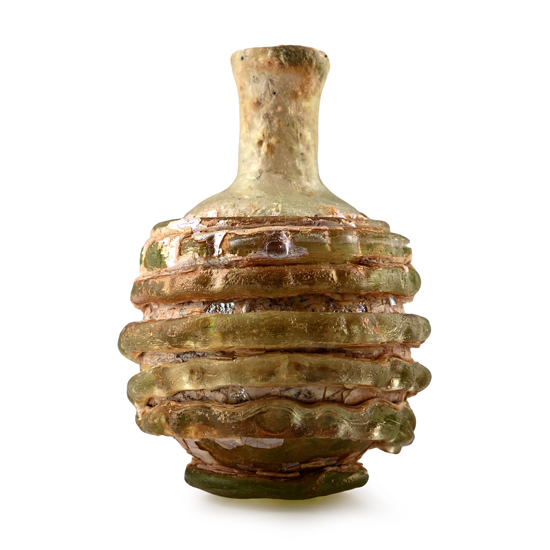
Western Asiatic Iridescent Glass Bottle with Trail
8th-10th century A.D.Estimate: £100 - 140 (+bp*)
Opening Bid: £50
Comprising a globular body and short tubular neck with flared mouth; applied thick glass trail in spiral pattern from shoulder to base. 36.6 grams, 62 mm
Ex London, UK, art market 1990s.
