
Loading, please wait...
LOT 1246
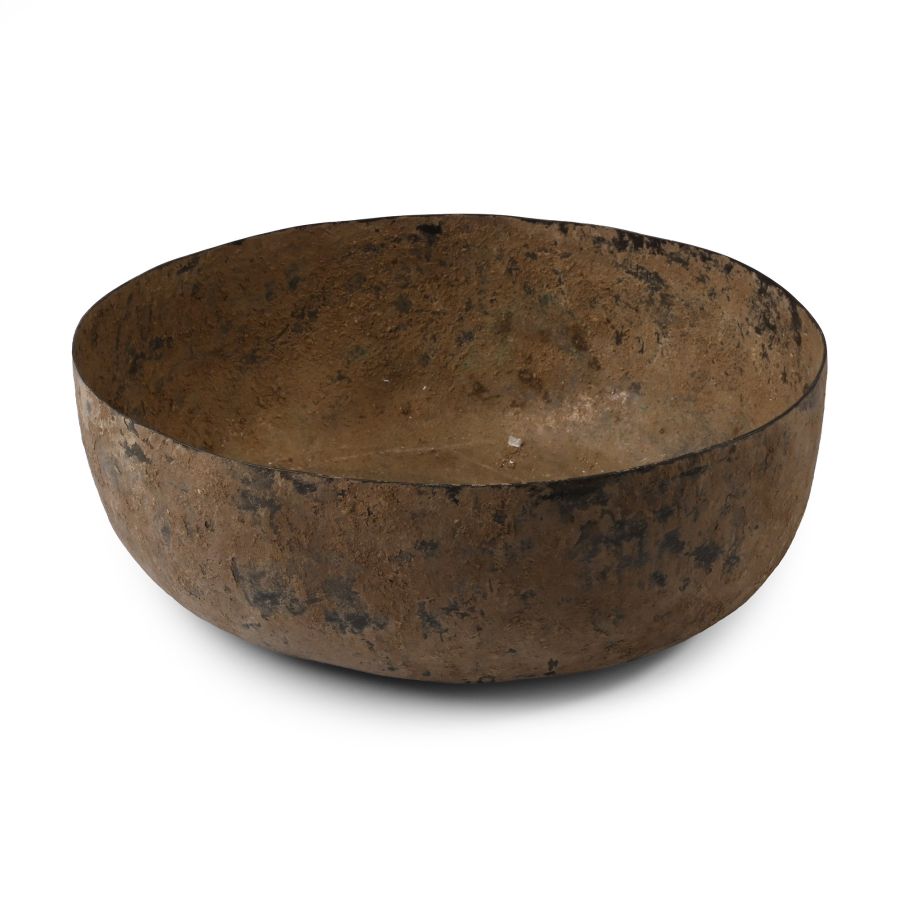
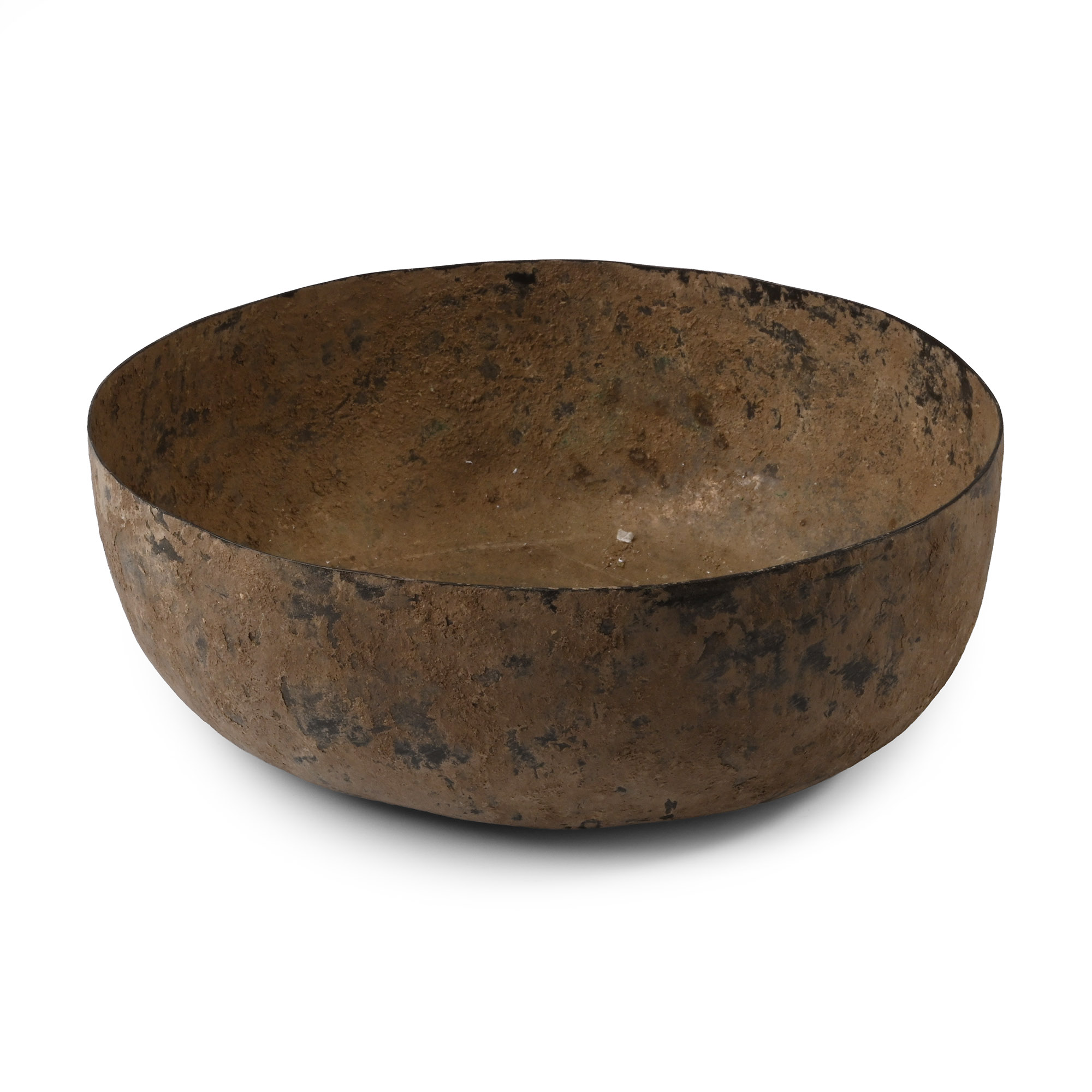
Western Asiatic Bronze Bowl
CIRCA 12TH CENTURY A.D.
7 5/8 in. (415 grams, 19.5 cm).
Raised from a single sheet with rounded base and slightly inturned walls. [No Reserve]
ProvenanceEx London, UK, collections, 1990s-2000s.
This lot has been cleared against the Art Loss Register database, and is accompanied by an illustrated lot declaration signed by the Head of the Antiquities Department, Dr Raffaele D'Amato.
TimeLine Auctions follows a vetting process to ensure the authenticity and legality of all items, reinforcing our commitment to integrity and responsible trading. Each antiquity, antique, and coin lot undergoes thorough examination by a vetting committee of at least ten external specialists, professional trade association members, scientists, and archaeologists: Our Vetting Process
AUCTIONS:
TimeLine is a leading auction house specialising in antiquities, ancient art, collectables, natural history, coins, medals, and books. Our auctions offer museums, collectors, historians, and enthusiasts the opportunity to acquire unique and historically significant pieces.
-
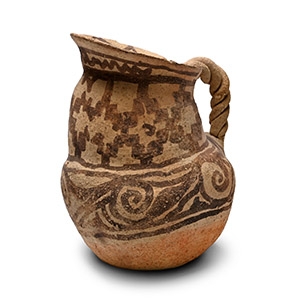
Western Asiatic Terracotta Spouted Vessel
8th-9th century A.D.Sold for (Inc. bp): £234
Squat in profile with braided strap handle and broad spout; painted bands of stepped rectangular and scrolled patterns. 270 grams, 11.5 cm
UK collection, 1990s. Acquired on the UK art market, before 2000. Private collection, Mr M.V., a London-based businessman. This lot has been cleared against the Art Loss Register database, and is accompanied by an illustrated lot declaration signed by the Head of the Antiquities Department, Dr Raffaele D'Amato. -
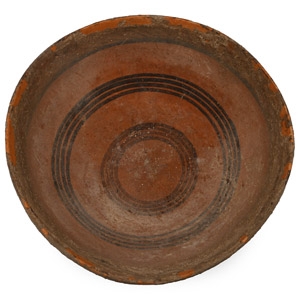
Bronze Age Bichrome Terracotta Bowl
2nd-1st millennium B.C.Sold for (Inc. bp): £91
Broad and squat with concentric painted rings in two bands to the inner face. 625 grams, 22.5 cm wide
Ex property of a London, UK, gentleman, 1990s. This lot has been cleared against the Art Loss Register database, and is accompanied by an illustrated lot declaration signed by the Head of the Antiquities Department, Dr Raffaele D'Amato. -
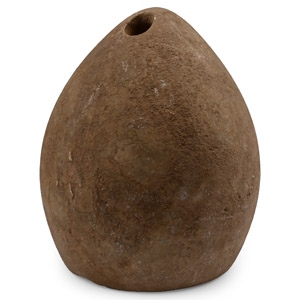
Bactrian Stone Kettle-Bell Idol
2nd-1st millennium B.C.Sold for (Inc. bp): £169
Conical in profile with flat base and U-shaped channel through the apex. 8.4 kg, 20 cm
Formerly in a Mayfair, London, UK, gallery. From the collection of a London, UK, gentleman. This lot has been cleared against the Art Loss Register database, and is accompanied by an illustrated lot declaration signed by the Head of the Antiquities Department, Dr Raffaele D'Amato.
