
Loading, please wait...
LOT 1214
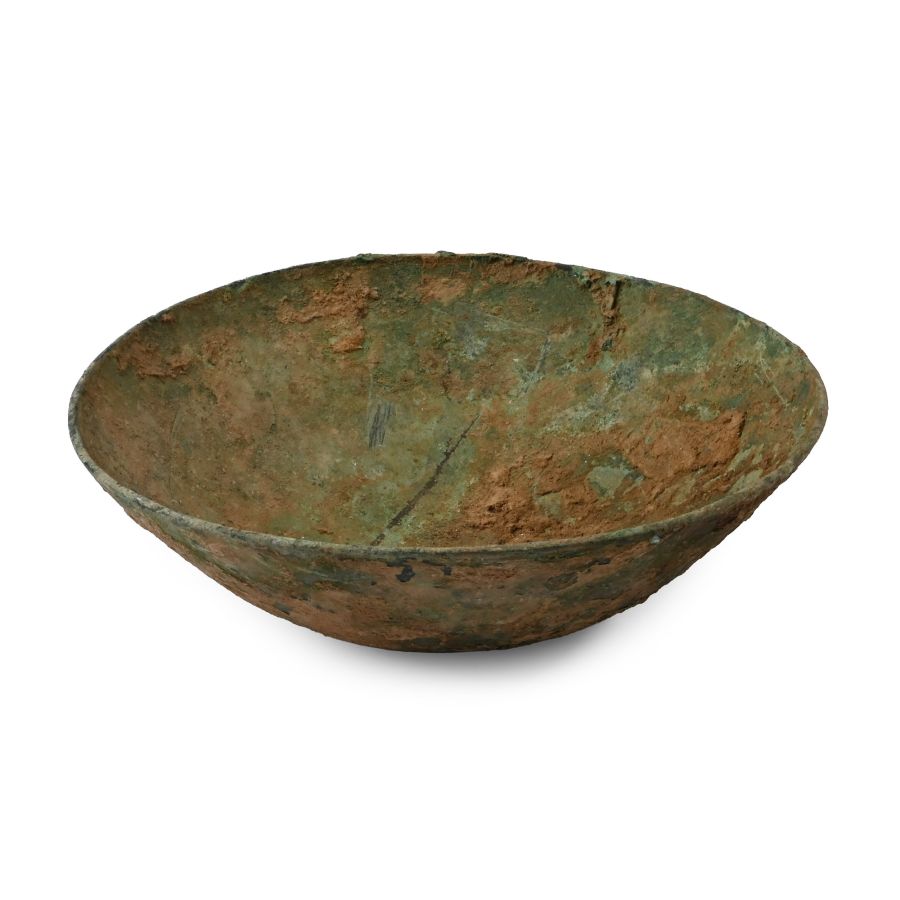
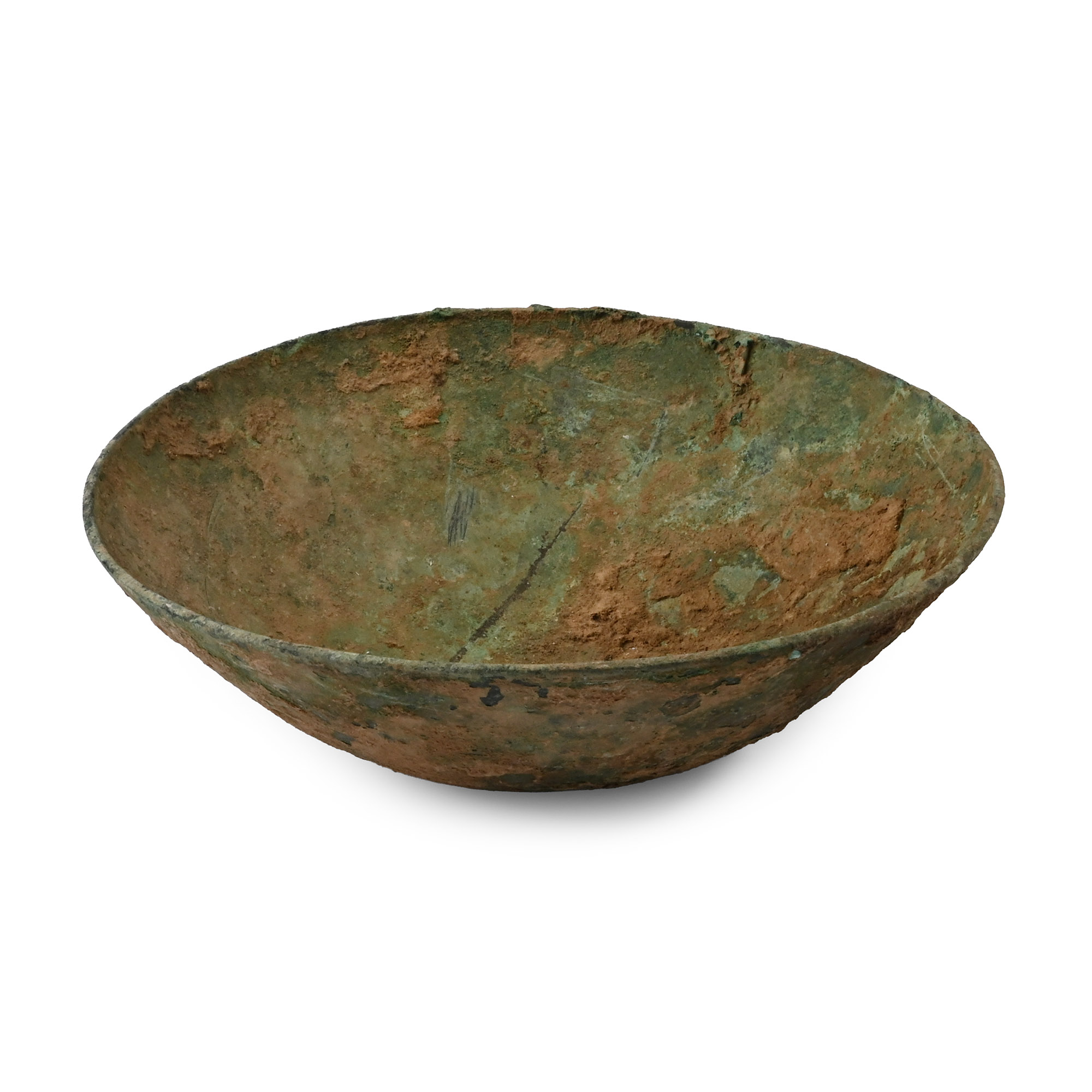
Western Asiatic Bronze Bowl
LATE 1ST MILLENNIUM B.C.
8 1/4 in. (462 grams, 21 cm).
A heavy wide bowl with gently sloping walls, slightly rounded base. [No Reserve]
ProvenanceEx London, UK, collections, 1990s-2000s.
This lot has been cleared against the Art Loss Register database, and is accompanied by an illustrated lot declaration signed by the Head of the Antiquities Department, Dr Raffaele D'Amato.
TimeLine Auctions follows a vetting process to ensure the authenticity and legality of all items, reinforcing our commitment to integrity and responsible trading. Each antiquity, antique, and coin lot undergoes thorough examination by a vetting committee of at least ten external specialists, professional trade association members, scientists, and archaeologists: Our Vetting Process
AUCTIONS:
TimeLine is a leading auction house specialising in antiquities, ancient art, collectables, natural history, coins, medals, and books. Our auctions offer museums, collectors, historians, and enthusiasts the opportunity to acquire unique and historically significant pieces.
-
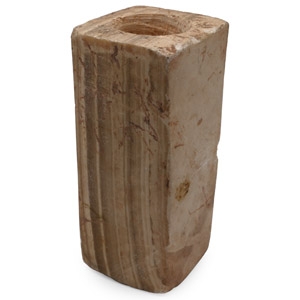
Mesopotamian Stone Vessel
1st millennium B.C.Sold for (Inc. bp): £117
Square in section and rectangular in profile with slight flare to the upper end, drilled socket. 441 grams, 10 cm high
From a collection formed before 1990. Ex Mayfair, London, UK, gallery, 2000s. This lot has been cleared against the Art Loss Register database, and is accompanied by an illustrated lot declaration signed by the Head of the Antiquities Department, Dr Raffaele D'Amato. -
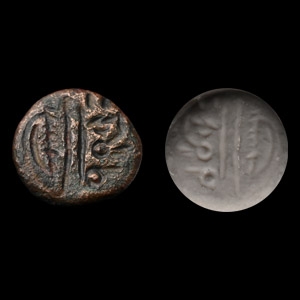
Phoenician Bronze Inscribed Stamp Seal
6th-4th century B.C.Sold for (Inc. bp): £72
Bell-shaped in profile with geometric design and legend, suspension look to the top. 3.62 grams, 11 mm
Ex London, UK, gentleman 1980-1990s. This lot has been cleared against the Art Loss Register database, and is accompanied by an illustrated lot declaration signed by the Head of the Antiquities Department, Dr Raffaele D'Amato. -
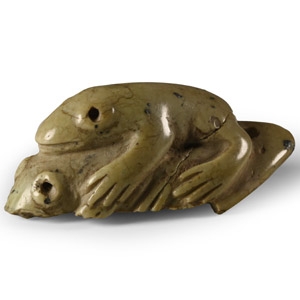
Central Asian Green Steatite Stone Frog Amulet
1st millennium B.C. or laterSold for (Inc. bp): £494
Carved in the round depicting two frogs mating, with socket eyes. 7.37 grams, 33 mm
From the private collection of Mr K.A., acquired in the 1990s-early 2000s. This lot has been cleared against the Art Loss Register database, and is accompanied by an illustrated lot declaration signed by the Head of the Antiquities Department, Dr Raffaele D'Amato.
