
Loading, please wait...
LOT 1068
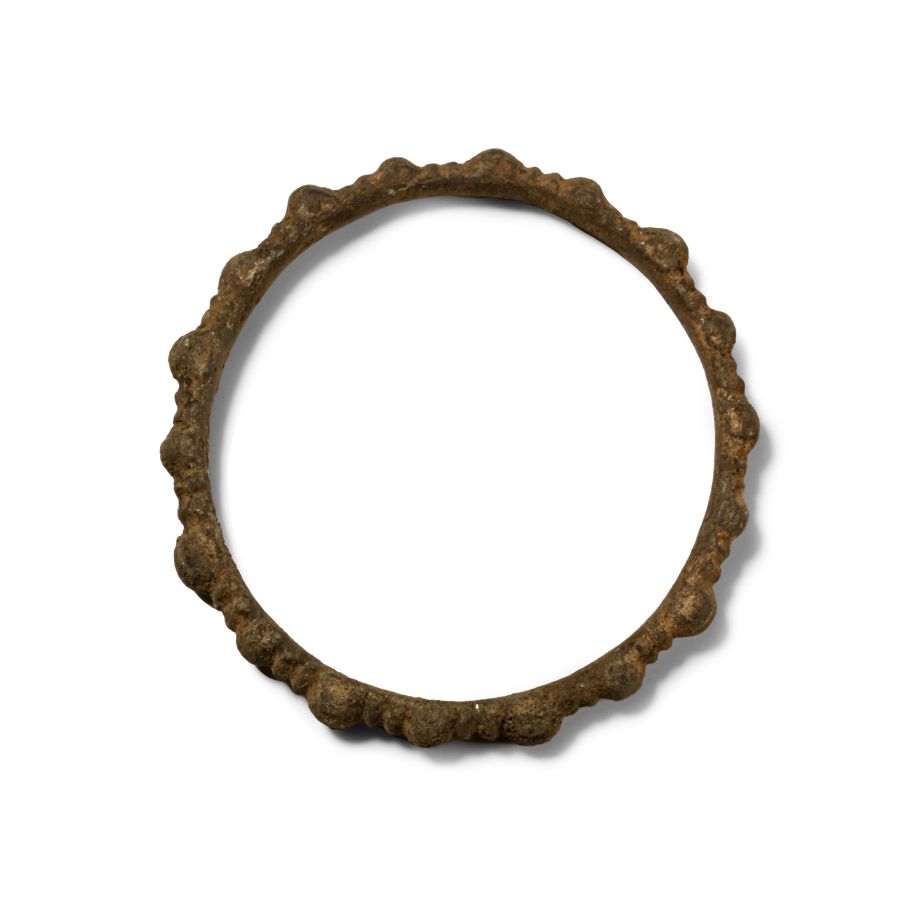
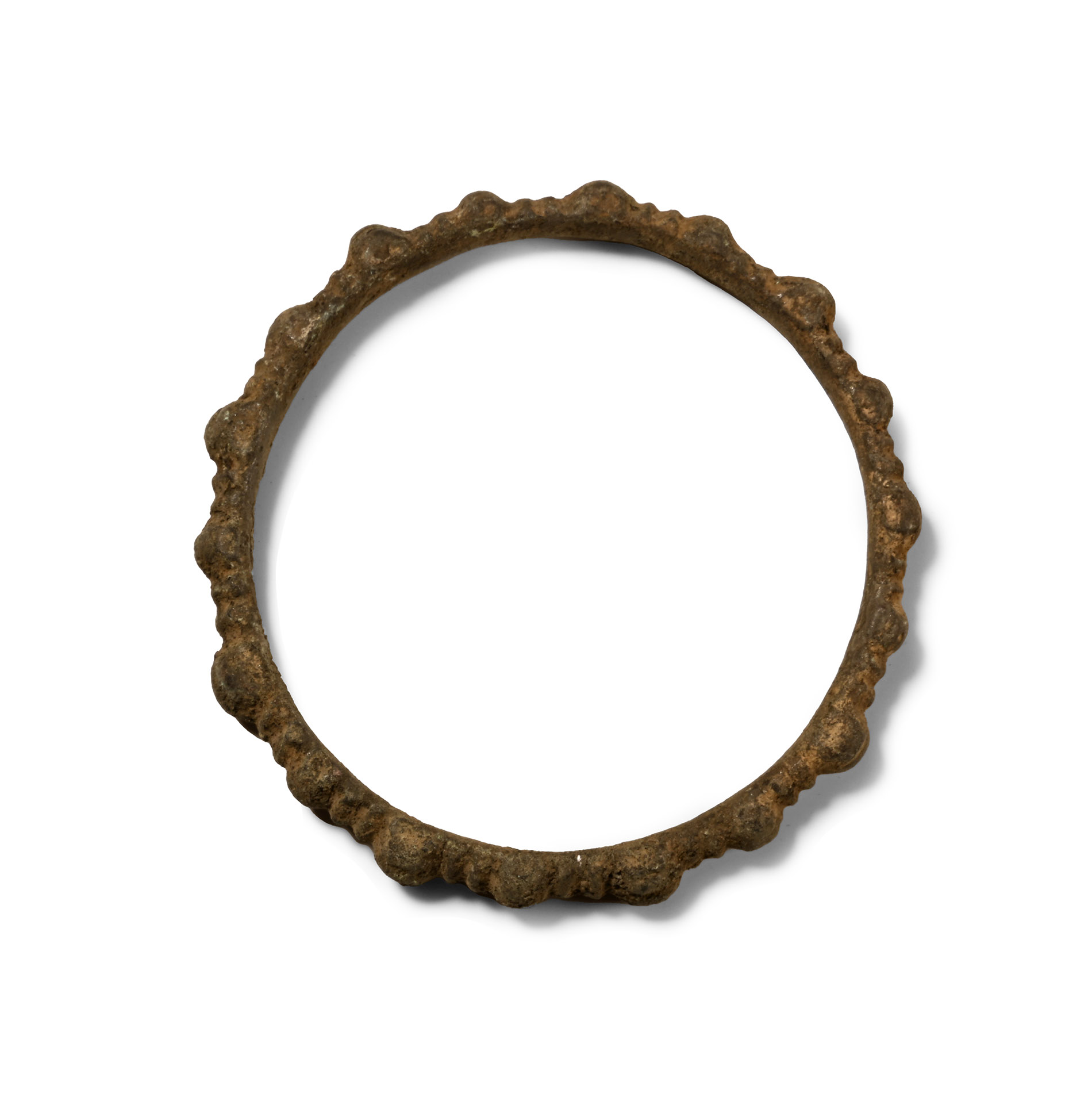
Western Asiatic Bronze Bangle
LATE BRONZE AGE, 1ST MILLENNIUM B.C.
2 3/4 in. (39 grams, 70 mm).
D-shaped in section with radiating knops and interstitial transverse ribs. [No Reserve]
ProvenanceAcquired 1980-2015.
Ex Abelita family collection.
TimeLine Auctions follows a vetting process to ensure the authenticity and legality of all items, reinforcing our commitment to integrity and responsible trading. Each antiquity, antique, and coin lot undergoes thorough examination by a vetting committee of at least ten external specialists, professional trade association members, scientists, and archaeologists: Our Vetting Process
AUCTIONS:
TimeLine is a leading auction house specialising in antiquities, ancient art, collectables, natural history, coins, medals, and books. Our auctions offer museums, collectors, historians, and enthusiasts the opportunity to acquire unique and historically significant pieces.
-
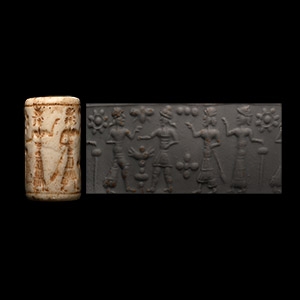
Mesopotamian White Stone Cylinder Seal
2nd-1st millennium B.C.Estimate: £1,800 - 2,400 (+bp*)
Opening Bid: £900
With frieze depicting a post or bush between two opposed figures, one with tight-fitting trousers and arms bent towards the other with knee-length kilt and strapped garment to the chest, insect in flight between them; rosette below and three pellets above with two advancing figures in long tiered robes with one arm raised, the leading figure holding a sword at his wait, the following figure with one hand on a pedestal, sun-wheel above; supplied with a museum-quality impression. 22 grams, 34 mm
Ex S. collection, London, UK, 1980s-2000s. This lot has been checked against the Interpol Database of stolen works of art and is accompanied by a search certificate number no.12420-226378. -

Mixed Ancient Necklace Bead Group
1st millennium B.C. and laterSold for (Inc. bp): £598
Comprising a quantity of lapis lazuli, glass and stone beads, including some larger collared tubular beads and a floral bead. 66 grams total, 2-46 mm
From a bead collection formed in the 1990s. -
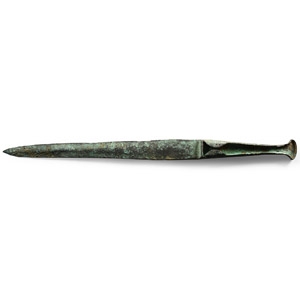
Luristan Bronze Dagger Blade
Circa 1000 B.C.Sold for (Inc. bp): £208
With lentoid section blade tapering to a point; the hilt hollowed both sides to accept an organic handle. 70 grams, 27.5 cm
Acquired 1980-2015. Ex Abelita family collection.
The dirk belongs to type I of the Medveskaya classification. This type of weapon is very common among daggers and dirks attributed to Luristan. According to Moorey, the typology was used in Western Iran at least from 13th century B.C. and remained in use at least until the late 9th century B.C.
