
Loading, please wait...
LOT 1660
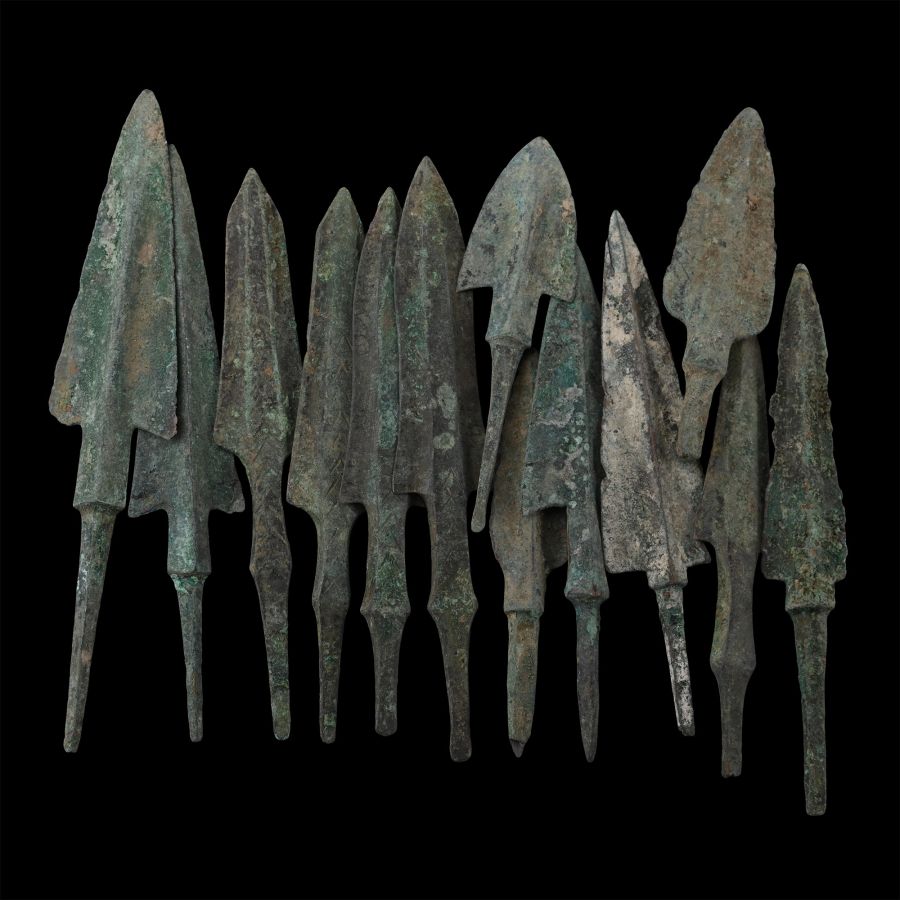
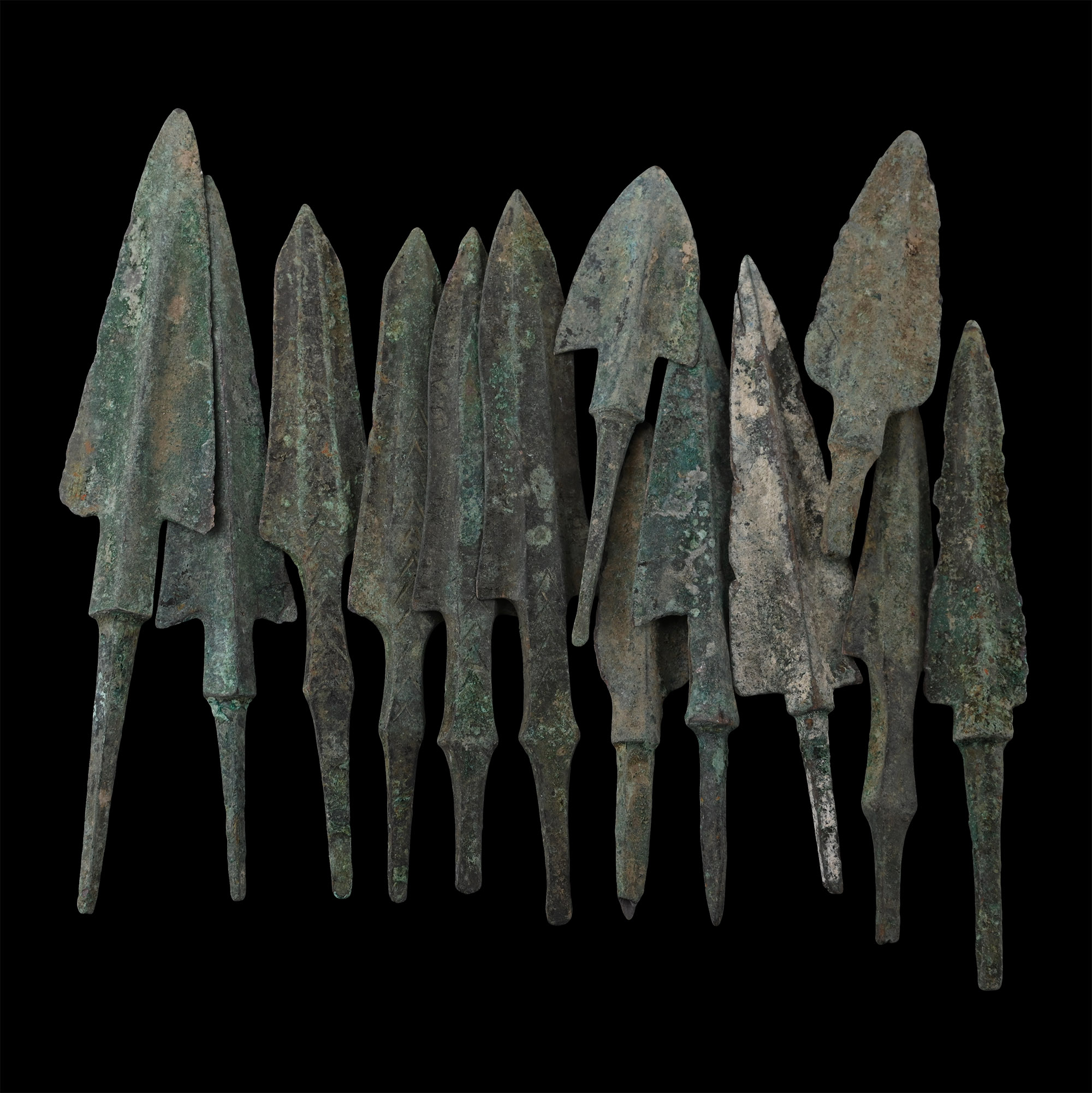
Western Asiatic Bronze Arrowhead Collection
2ND-1ST MILLENNIUM B.C.
3 1/4 - 5 in. (283 grams total, 8.1-12.8 cm).
Comprising leaf-shaped and triangular tanged arrowheads, two with barbed blades.
ProvenanceLondon, UK, collection, 1990s.
LiteratureCf. Khorasani, M.M., Arms and Armour from Iran. The Bronze Age to the End of the Qajar Period, Tübingen, 2006, figs. 467,470, for the barbed types.
FootnotesOne of the categories of arrowheads coming from Marlik shows a large triangular blade with barbed shoulders and has been ascribed by Negahban to the subtype C of the type V of Luristan or North Persian arrowheads.
CONDITIONTimeLine Auctions follows a vetting process to ensure the authenticity and legality of all items, reinforcing our commitment to integrity and responsible trading. Each antiquity, antique, and coin lot undergoes thorough examination by a vetting committee of at least ten external specialists, professional trade association members, scientists, and archaeologists: Our Vetting Process
AUCTIONS:
TimeLine is a leading auction house specialising in antiquities, ancient art, collectables, natural history, coins, medals, and books. Our auctions offer museums, collectors, historians, and enthusiasts the opportunity to acquire unique and historically significant pieces.
-
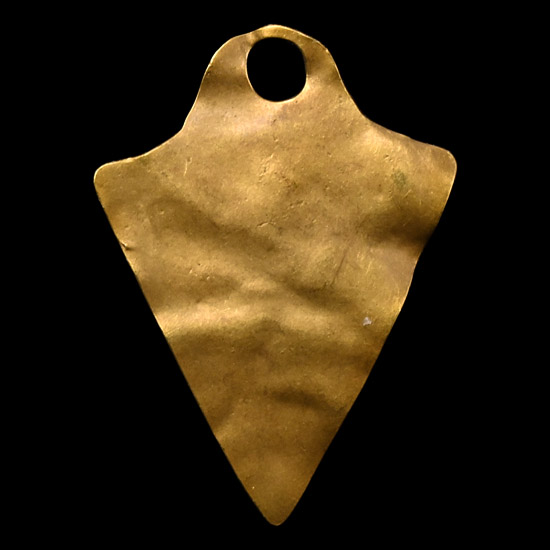
Western Asiatic Triangular Gold Pendant
1st millennium B.C.Sold for (Inc. bp): £52
An arrow-shaped pendant with an integral suspension loop. 0.20 grams, 13 mm
Ex private British collection, formed in the 1980s. Property of a West Northamptonshire, UK, gentleman. -
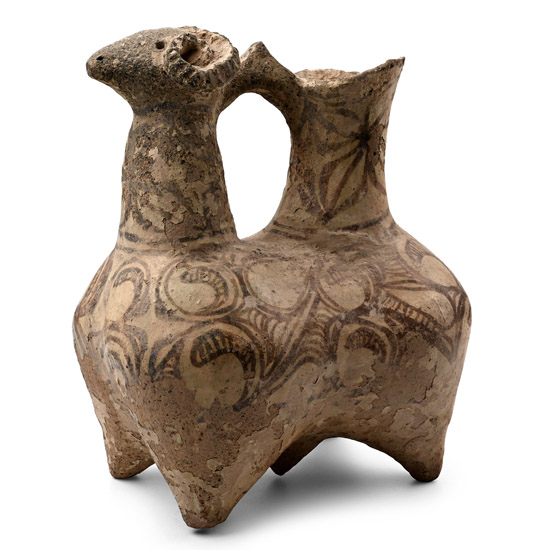
Western Asiatic Ceramic Zoomorphic Vessel
8th-9th century A.D.Sold for (Inc. bp): £468
Comprising four conical legs supporting a double globular body with conical neck and ram's head, spout to the rear with strainer connected by a bridging loop; applied painted hatched spiral detailing; old label to the underside: 'YAZDANI 211C LONDON'. 1.06 kg, 19.5 cm
UK collection, 1990s. Acquired on the UK art market, before 2000. Private collection, Mr M.V., a London-based businessman. -
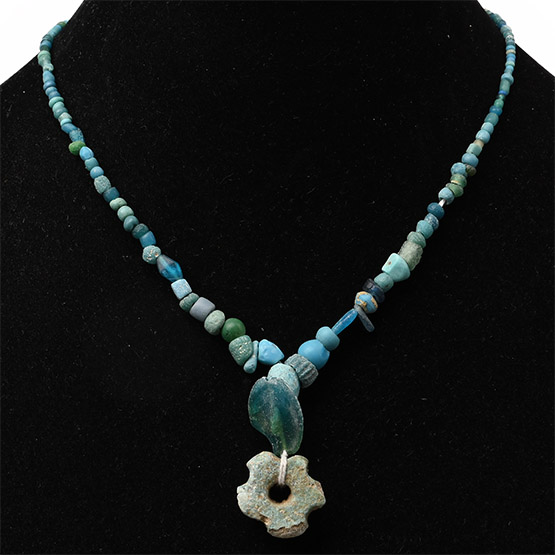
Achaemenid Blue Glass and Other Bead Necklace String
Mid 1st millennium B.C. and laterSold for (Inc. bp): £85
Composed of graduated turquoise and blue beads, the central feature with a 'spoked wheel' type bead, restrung. 14.1 grams, 35 cm
Ex London, UK, collection, 1990s.
