
Loading, please wait...
LOT 1821
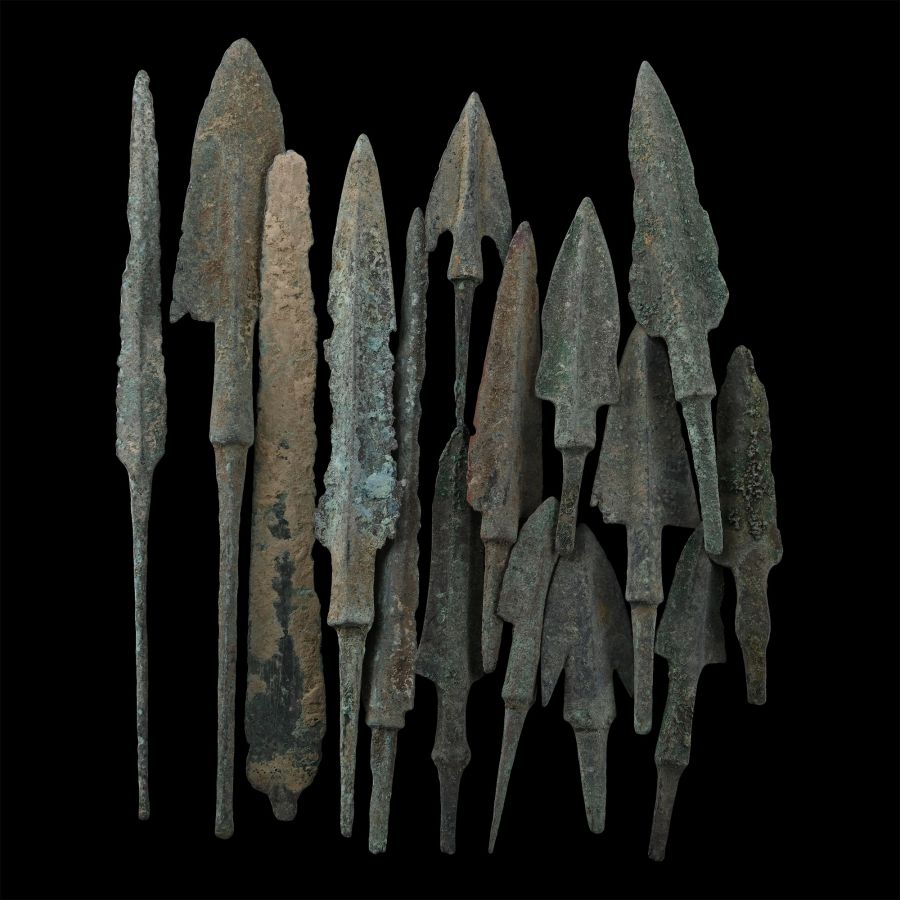
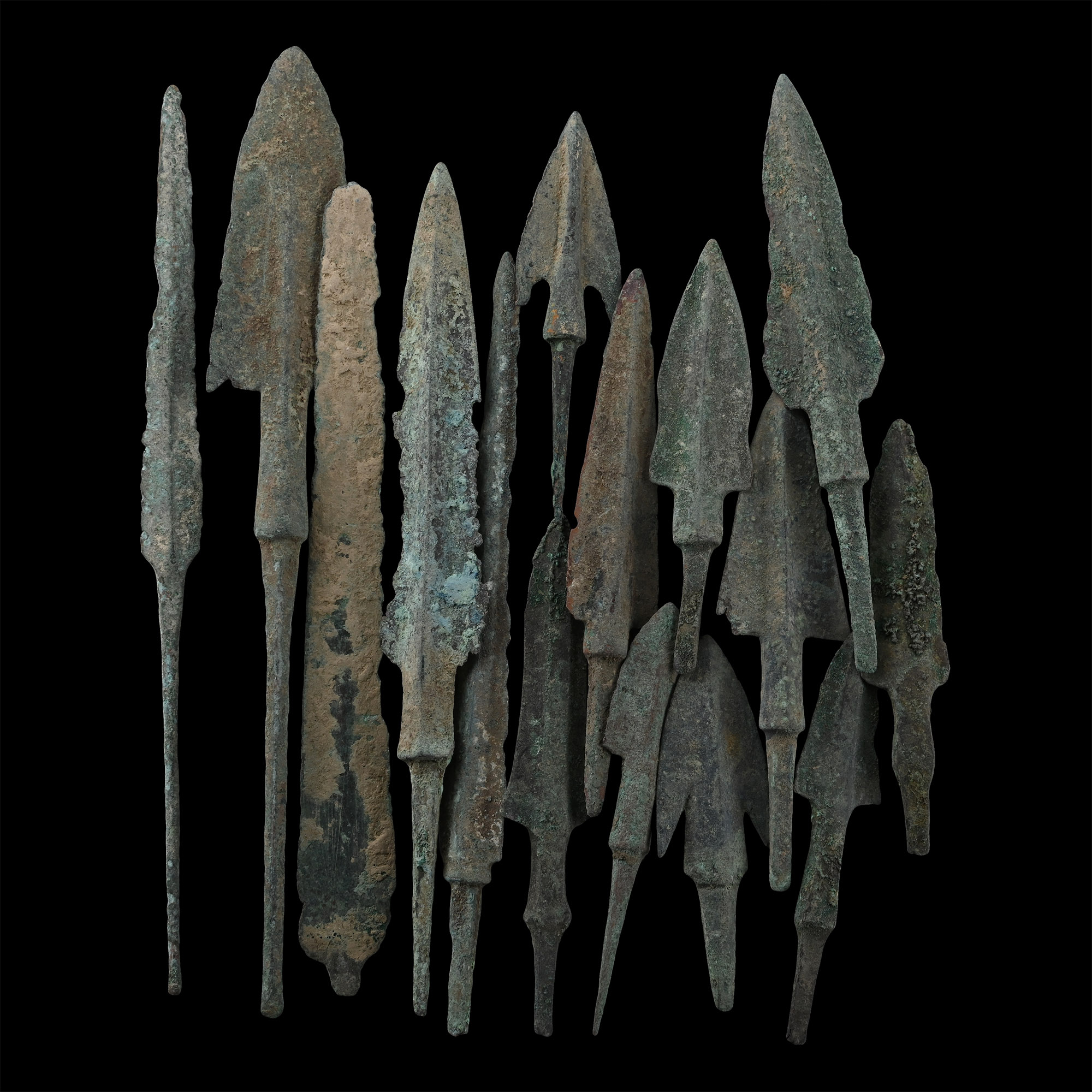
Western Asiatic Bronze Arrowhead Collection
1000-700 B.C.
2 3/4 - 6 1/2 in. (240 grams total, 7.1-16.5 cm).
Comprising fifteen tanged arrowheads, four with elongated triangular blades and raised midrib, two of squared type with flat tang, three with barbed shoulders and short cylindrical stem with handle for the shaft; two with squared shoulders and rectangular stem with handle for the shaft, one with leafed elongated blade, one with wide triangular head and long handle for the shaft, and other two long and spiked with raised midrib. [15]
ProvenanceLondon, UK, collection, 1990s.
LiteratureFor some of the similar types cf. Mahboubian, H., Art of the Ancient Iran, London, 1997, no.390; Khorasani, M.M., Arms and Armour from Iran. The Bronze Age to the End of the Qajar Period, Tübingen, 2006, figs. 458-461, 463-467, for some of these types.
FootnotesSome of the arrowheads belong to type V of the Khorasani classification: subtype D (triangular arrowheads with rounded or angular midrib) and subtype C, arrowheads with elongated, triangular shape with barbed shoulders and convex sides, and a raised midrib with a sharp central line.
CONDITIONTimeLine Auctions follows a vetting process to ensure the authenticity and legality of all items, reinforcing our commitment to integrity and responsible trading. Each antiquity, antique, and coin lot undergoes thorough examination by a vetting committee of at least ten external specialists, professional trade association members, scientists, and archaeologists: Our Vetting Process
AUCTIONS:
TimeLine is a leading auction house specialising in antiquities, ancient art, collectables, natural history, coins, medals, and books. Our auctions offer museums, collectors, historians, and enthusiasts the opportunity to acquire unique and historically significant pieces.
-
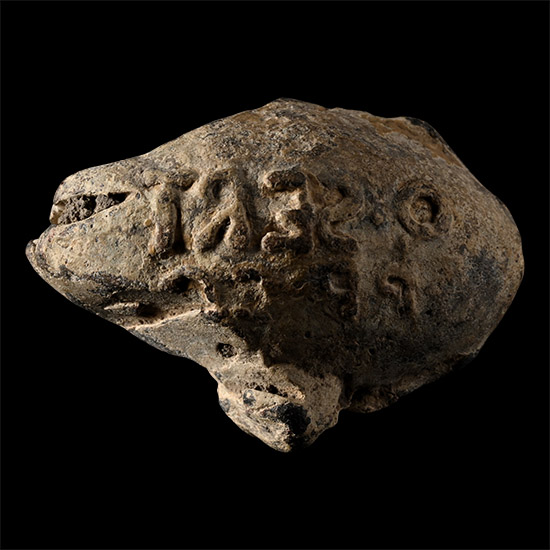
Roman Lead Slingshot of Quintus Sertorius
Sertorian Wars, 82-72 B.C.Sold for (Inc. bp): £650
Lentoid in form with raised legend to reverse: 'Q.SERT / PPOR C'; casting flange to rim. 57.2 grams, 33 mm
Acquired on the UK art market, early 2000s. Property of a London, UK, antiquarian.
The inscription refers to Quintus Sertorius, the Roman statesman and general (123-72 BC). -
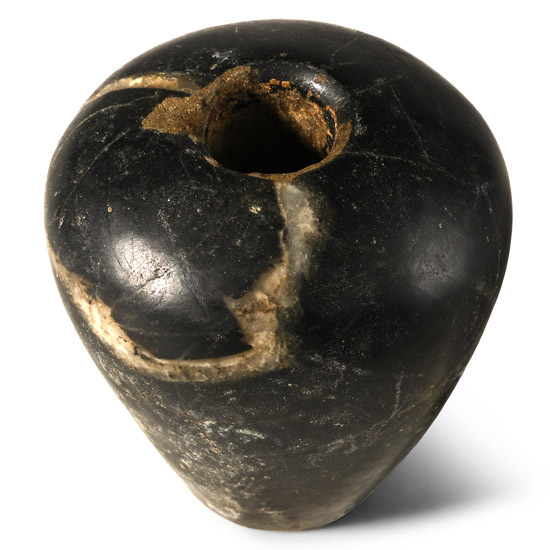
Western Asiatic Polished Stone Macehead
3rd-2nd millennium B.C.Sold for (Inc. bp): £117
Ovoid body with a round socket. 233 grams, 63 mm
From the collection of a London, UK, gentleman, 1990s. -
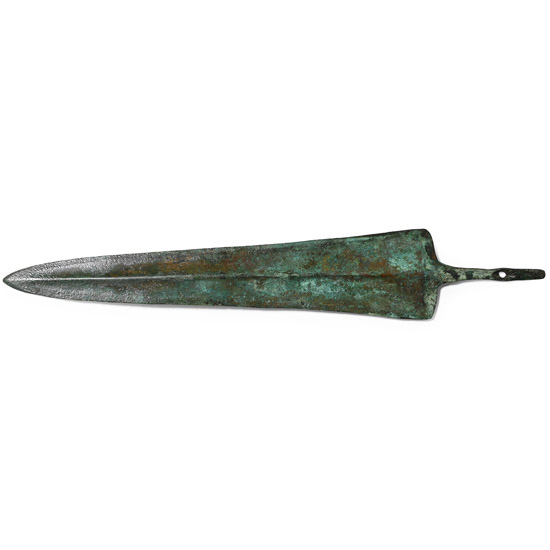
Greek Bronze Tanged Spearhead
1st millennium B.C.Sold for (Inc. bp): £234
With straight shoulders and lozengiform mid-rib running to the blade tip; short tang with fastening hole. 154 grams, 31 cm
Ex Abelita family collection, 1980s-2000s.
