
Loading, please wait...
LOT 1564
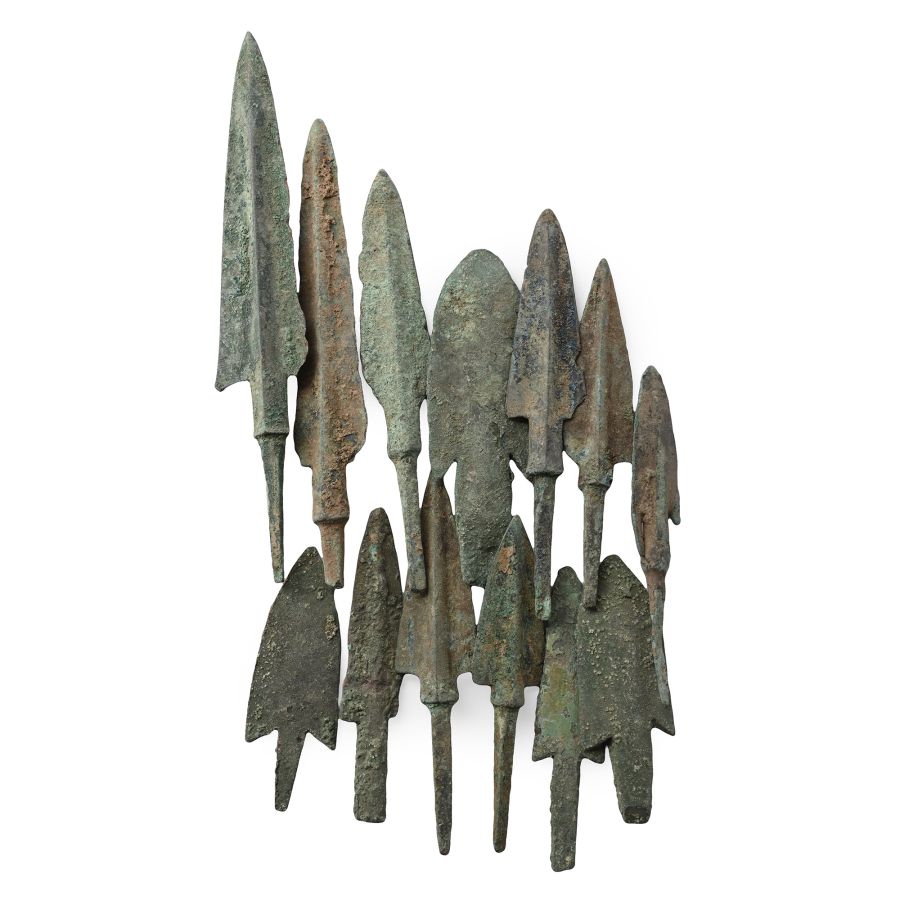
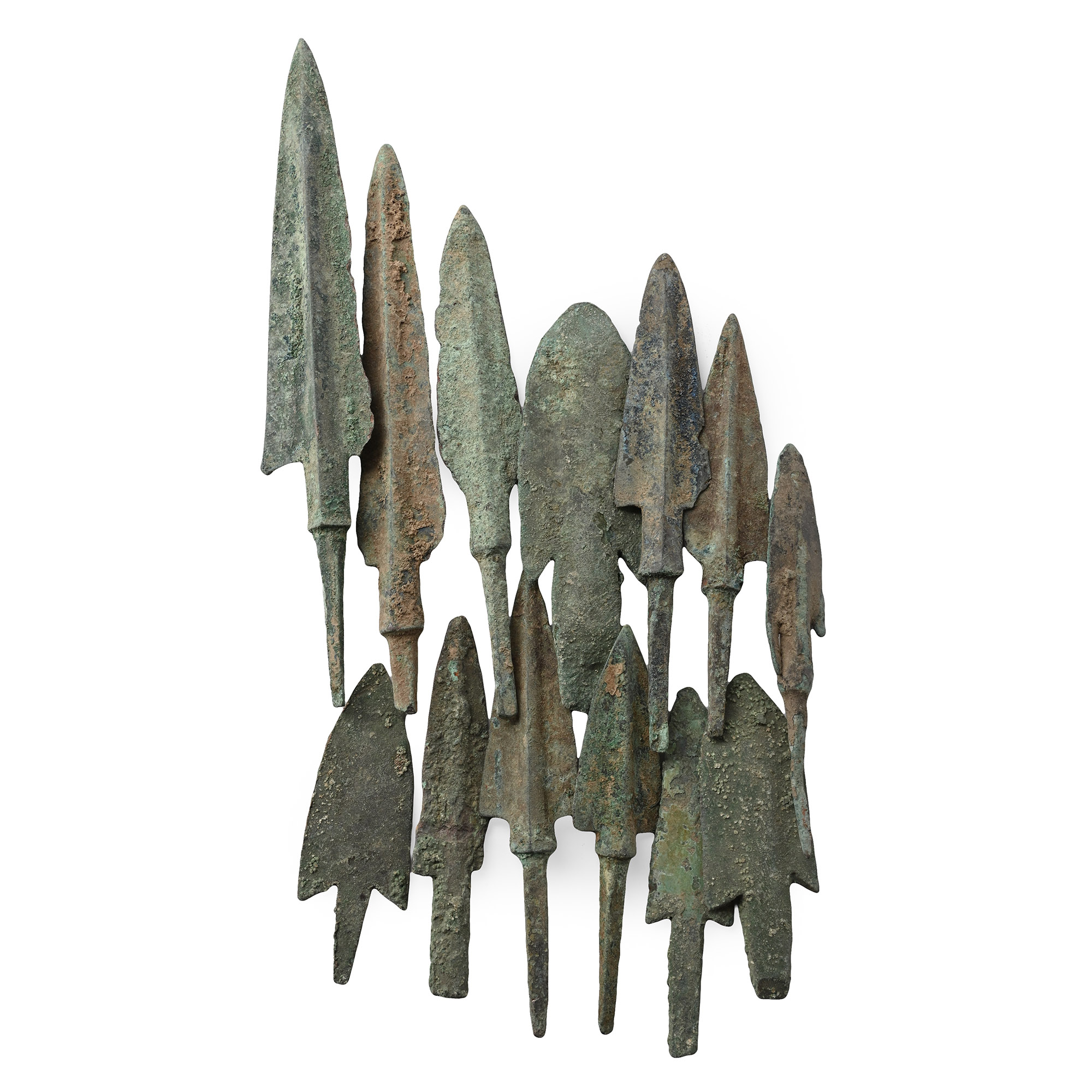
Western Asiatic Bronze Arrowhead Collection
1ST MILLENNIUM B.C.
2 1/2 - 5 3/4 in. (302 grams total, 6.4-14.8 cm).
Including barbed and tanged, leaf-shaped and other types. [13]
ProvenanceEx London, UK, collection, 1990s.
CONDITIONTimeLine Auctions follows a vetting process to ensure the authenticity and legality of all items, reinforcing our commitment to integrity and responsible trading. Each antiquity, antique, and coin lot undergoes thorough examination by a vetting committee of at least ten external specialists, professional trade association members, scientists, and archaeologists: Our Vetting Process
AUCTIONS:
TimeLine is a leading auction house specialising in antiquities, ancient art, collectables, natural history, coins, medals, and books. Our auctions offer museums, collectors, historians, and enthusiasts the opportunity to acquire unique and historically significant pieces.
-
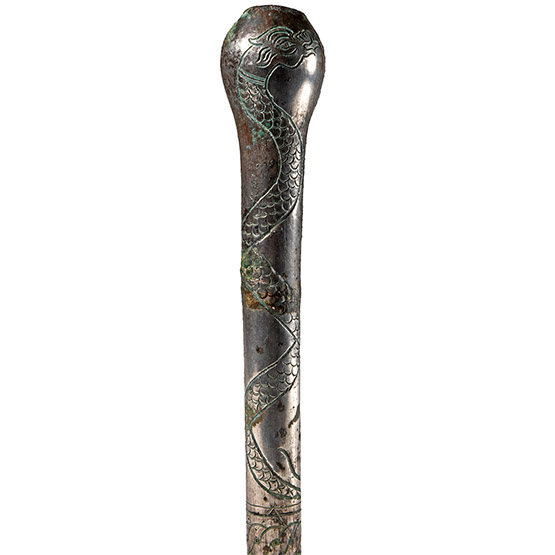
Bactrian Silver Macehead with Interlaced Dragons
2nd-1st millennium B.C.Sold for (Inc. bp): £936
Hollow-formed with bulb finial, low-relief image of opposed dragons with detailed scale texture; circumferential band with incised guilloche below; rim chipped; mounted on a custom-made stand. 440 grams total, 20 cm including stand
London, UK gallery, 1971-early 2000s. Private collection, London, UK. -
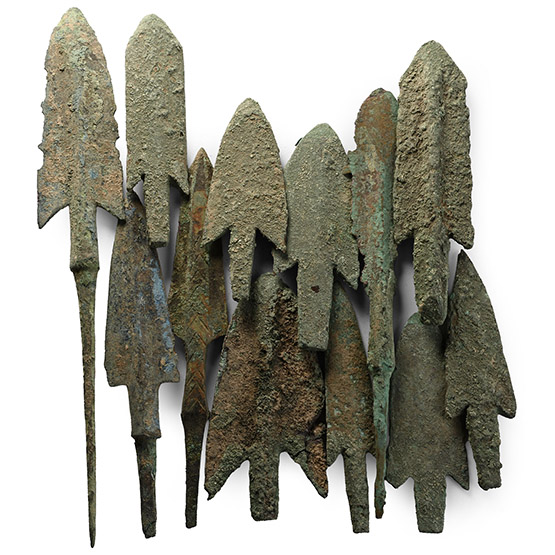
Luristan Bronze Arrowhead Collection
2nd-1st millennium B.C.Sold for (Inc. bp): £130
Mainly barbed and tanged types. 280 grams total, 6.3-16 cm
Ex London, UK, collection, 1990s. -
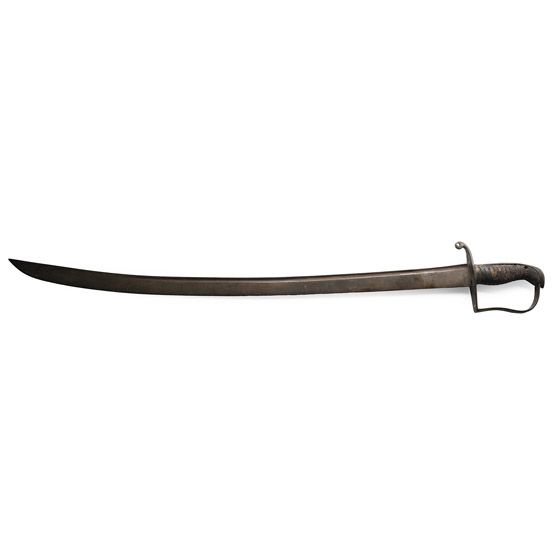
Napoleonic Infantry Officer's Sabre
French, circa 1790 A.D.Sold for (Inc. bp): £169
Comprising a long single-edged blade with corrugated spine, gently curved towards the shallow point; bronze sleeve to the grip with swept quillon and knuckle-guard, lug finial pieced to accept a sword-knot; ribbed wooden grip with leather covering; heavy usage wear. 666 grams, 81 cm
Acquired in 2008. Property of a Kent, UK, private collector.
Modelled on the sabres of the infantry officers of the Jeune Garde Imperiale.
