
Loading, please wait...
LOT 1751
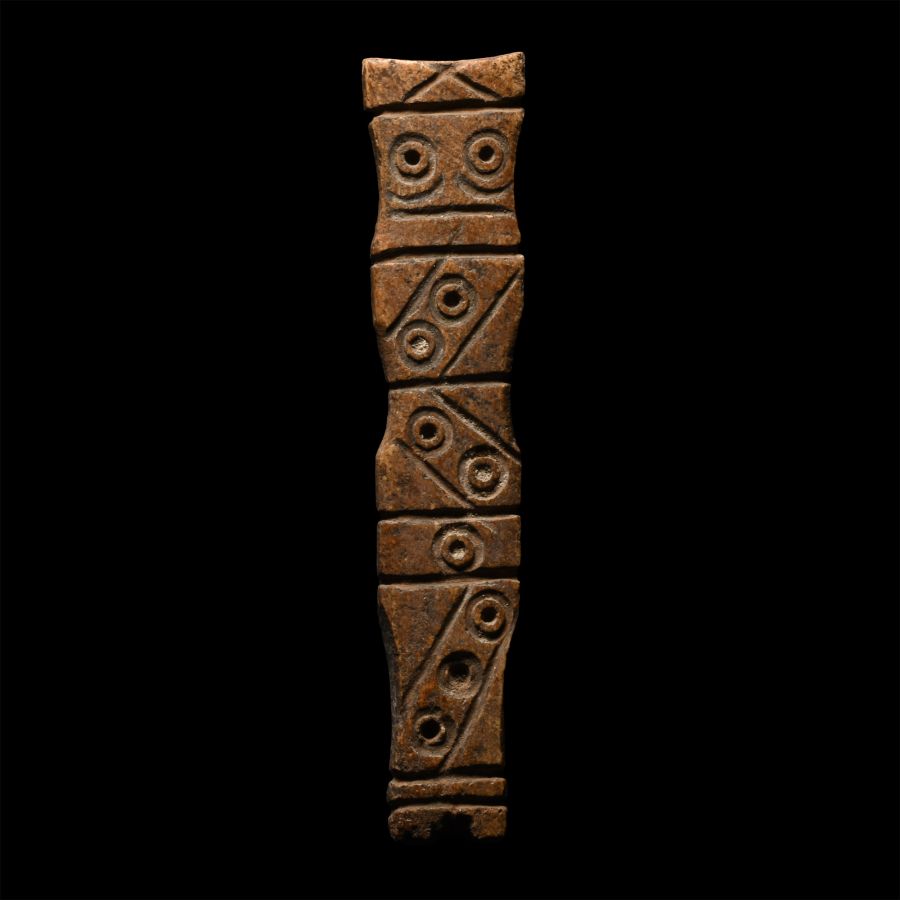
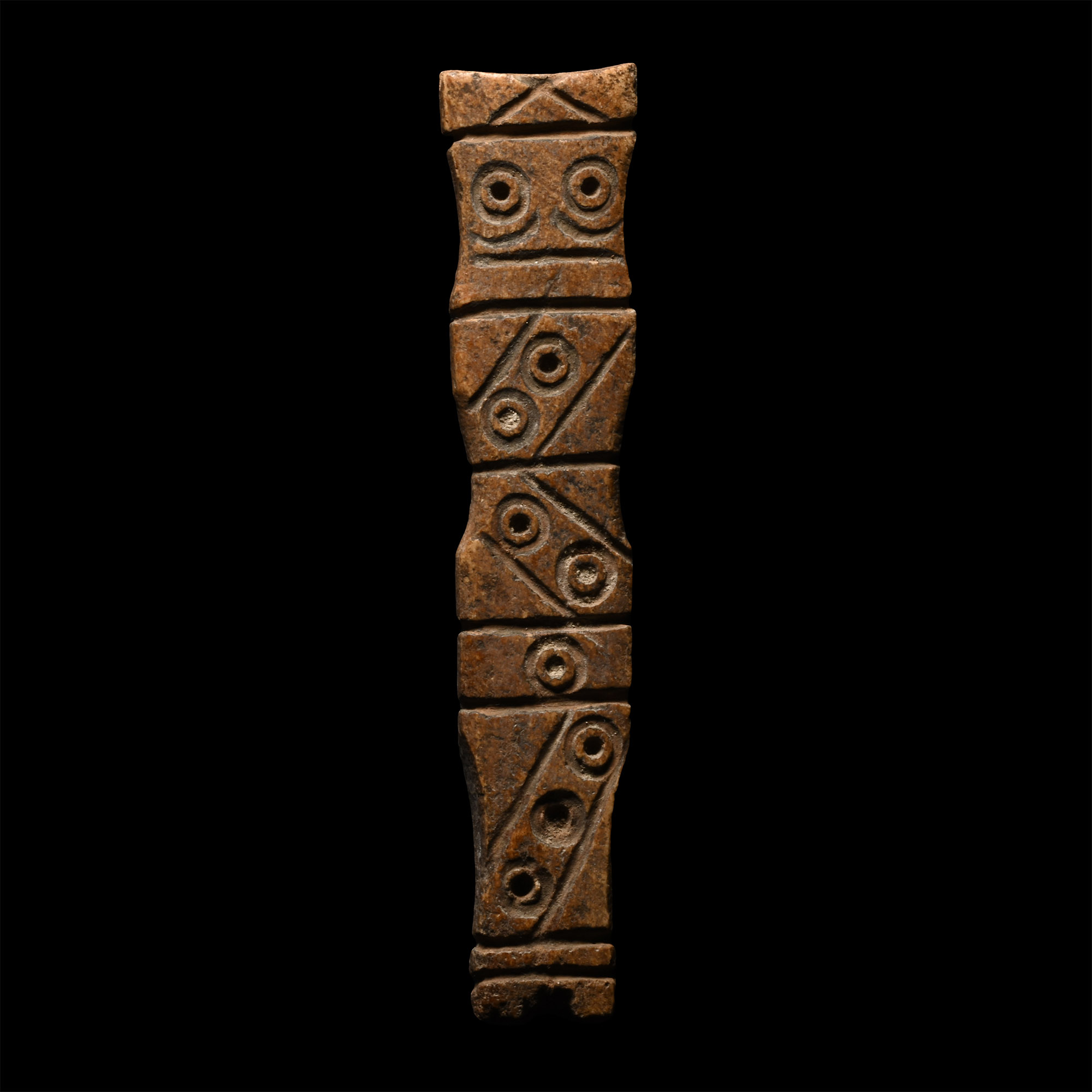
Western Asiatic Bone Idol
2ND CENTURY B.C.-2ND CENTURY A.D.
3 in. (7.14 grams, 74.82 mm).
Rectangular in section with waisted profile, incised zigzag, ring-and-dot and other motifs to both faces. [No Reserve]
ProvenanceFrom the private collection of a European gentleman (1942-2024), formed since the 1970s.
CONDITIONTimeLine Auctions follows a vetting process to ensure the authenticity and legality of all items, reinforcing our commitment to integrity and responsible trading. Each antiquity, antique, and coin lot undergoes thorough examination by a vetting committee of at least ten external specialists, professional trade association members, scientists, and archaeologists: Our Vetting Process
AUCTIONS:
TimeLine is a leading auction house specialising in antiquities, ancient art, collectables, natural history, coins, medals, and books. Our auctions offer museums, collectors, historians, and enthusiasts the opportunity to acquire unique and historically significant pieces.
-
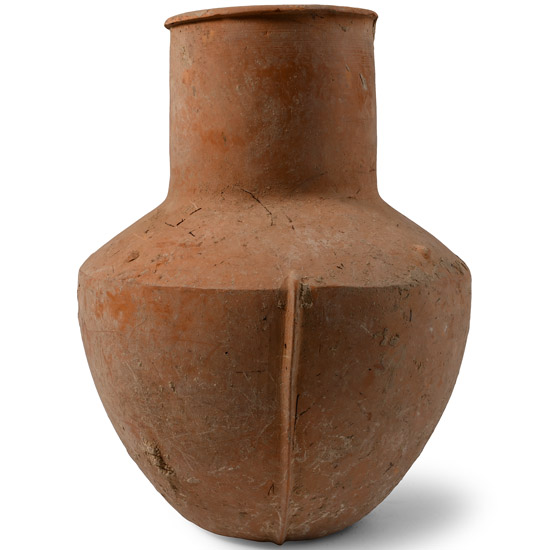
Large Luristan Ribbed Terracotta Storage Vessel
1st millennium B.C.Sold for (Inc. bp): £117
Wide body with angled shoulder, the lower body with raised vertical ribs, with small bosses above the shoulder, tubular neck with a rolled rim. 1.05 kg, 22.1 cm
Acquired on the UK art market before 2000. Property of an Essex, UK, gentleman. -
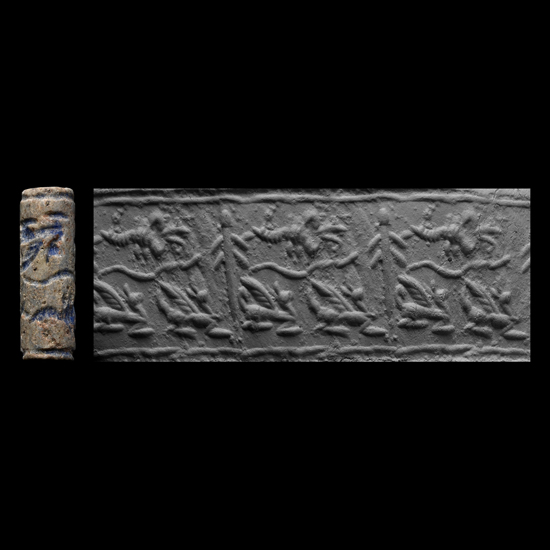
Western Asiatic Stone Cylinder Seal with Animals
2nd-1st millennium B.C.Sold for (Inc. bp): £117
Frieze depicting two crouching gryphons with a vertical sapling and a bee above; supplied with a museum-quality impression. 0.70 grams, 16.12 mm
From the private collection of a European gentleman (1942-2024), formed since the 1970s. -
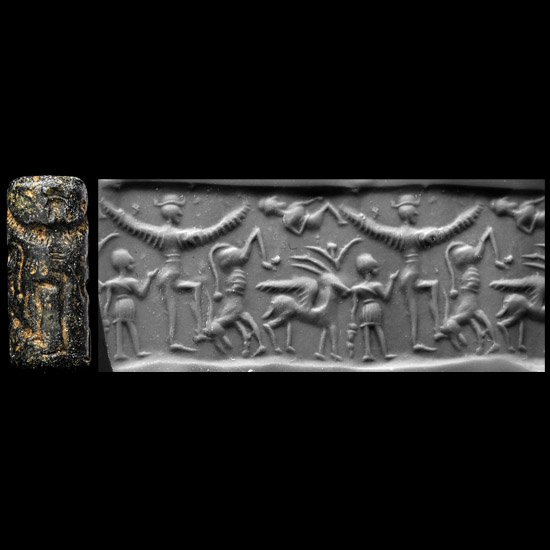
Western Asiatic Black Stone Cylinder Seal with Winged God
2nd-1st millennium B.C.Sold for (Inc. bp): £468
Frieze depicting a standing winged deity advancing above a hunting dog perpendicular, small attendant to the rear holding a vessel beside a standing gryphon, second crouching figure above; supplied with a museum-quality impression. 3.43 grams, 21.97 mm
From the private collection of a European gentleman (1942-2024), formed since the 1970s.
