
Loading, please wait...
LOT 1452
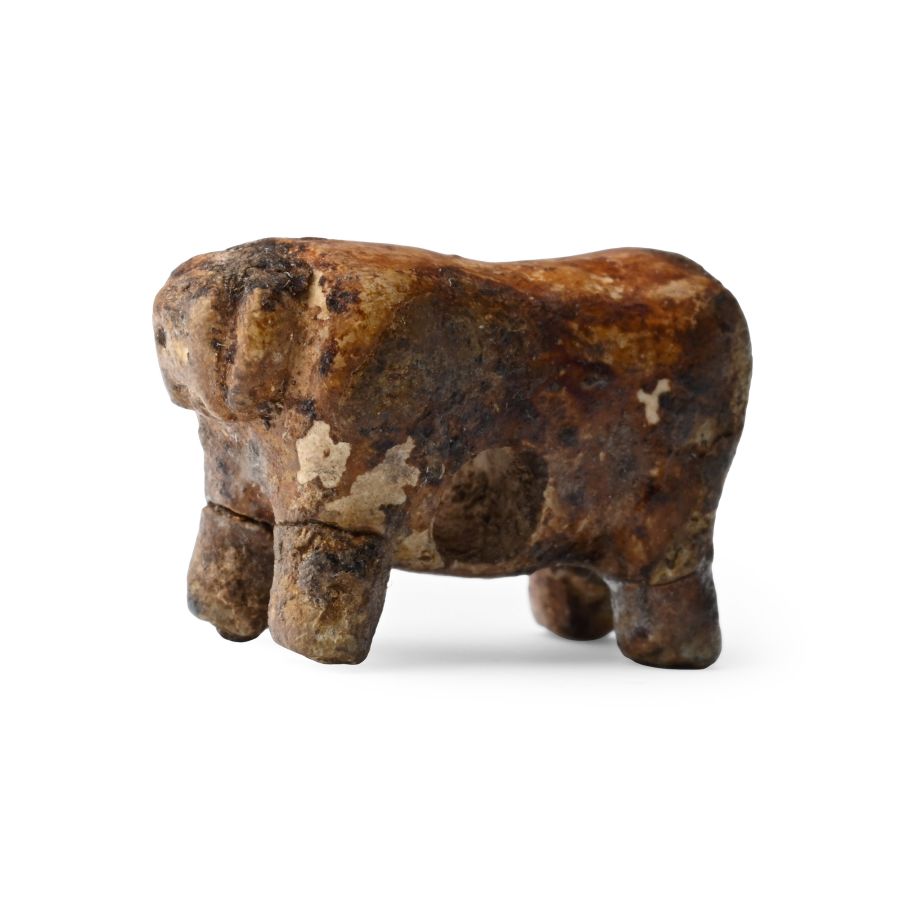
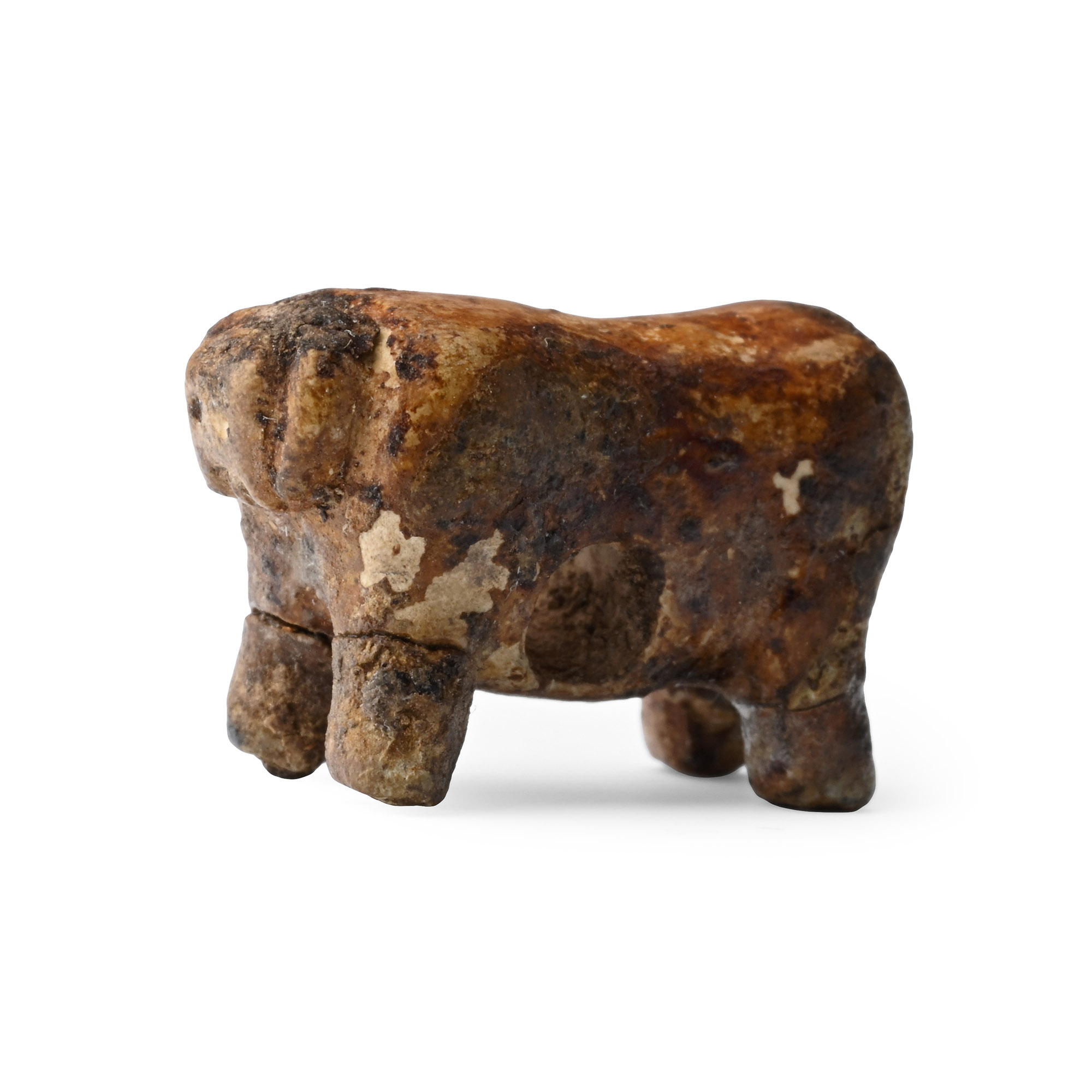
Western Asiatic Bone Animal Amulet
1ST MILLENNIUM B.C.
7/8 in. (3.27 grams, 22.7 mm).
A stylised figure of a stocky animal with a small head, pierced through the body. [No Reserve]
ProvenanceFrom the private collection of a European gentleman (1942-2024), formed since the 1970s.
CONDITIONTimeLine Auctions follows a vetting process to ensure the authenticity and legality of all items, reinforcing our commitment to integrity and responsible trading. Each antiquity, antique, and coin lot undergoes thorough examination by a vetting committee of at least ten external specialists, professional trade association members, scientists, and archaeologists: Our Vetting Process
AUCTIONS:
TimeLine is a leading auction house specialising in antiquities, ancient art, collectables, natural history, coins, medals, and books. Our auctions offer museums, collectors, historians, and enthusiasts the opportunity to acquire unique and historically significant pieces.
-
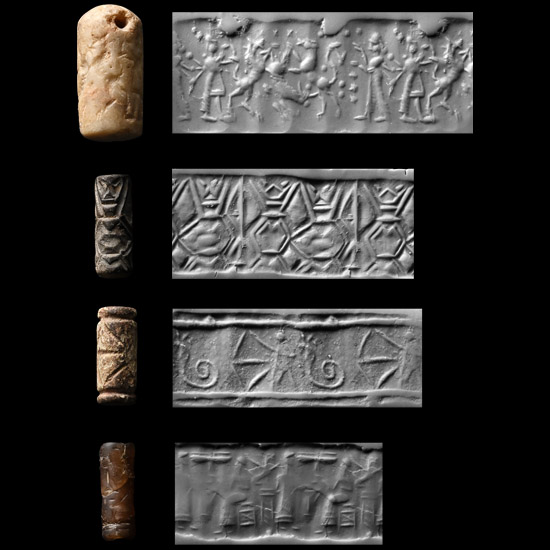
Western Asiatic Stone Cylinder Seal Group
2nd-1st millennium B.C.Sold for (Inc. bp): £260
Comprising: court scene with seated figure, supplicant, bird in flight and dog; scene with coiled snake, and linear figure; frieze with stylised insect with hexagonal body; combat scene with two rearing gryphons attacking a bull, human attendant to the rear; each supplied with a museum-quality impression. 25.5 grams total, 23.6-34 mm
From the private collection of a European gentleman (1942-2024), formed since the 1970s. -
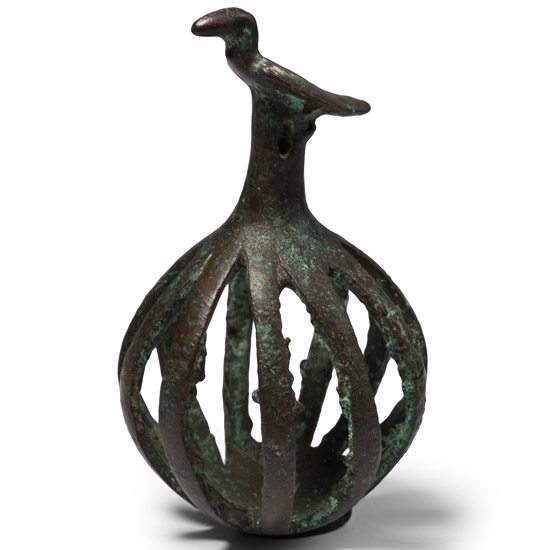
Luristan Bird-Headed Bell Harness Decoration
2nd-1st millennium B.C.Sold for (Inc. bp): £169
Comprising a bulb with a sidewall formed from vertical strips, surmounted by a perching bird; possibly a rumbler-bell. 65.75 grams, 80.24 mm
Ex Abelita family collection, 1980s-2000s. -
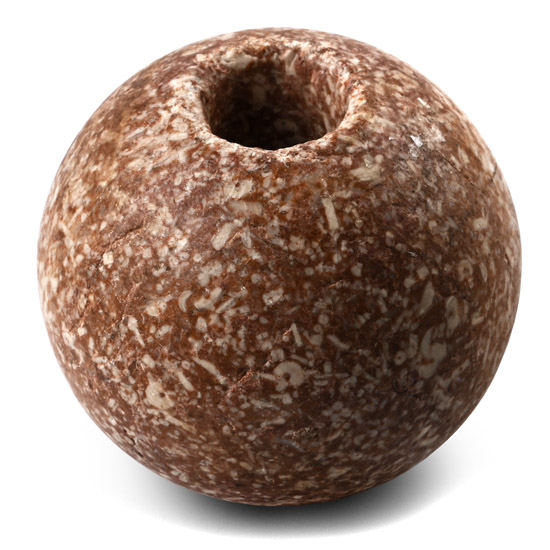
Mesopotamian Carved Stone Macehead
3rd-2nd millennium B.C.Estimate: £500 - 700 (+bp*)
Opening Bid: £250
Carved from a mottled stone as a large sphere with a round socket. 484 grams, 73 mm
Acquired in the late 1980s-early 1990s. Private collection, London.
