
Loading, please wait...
LOT 1397
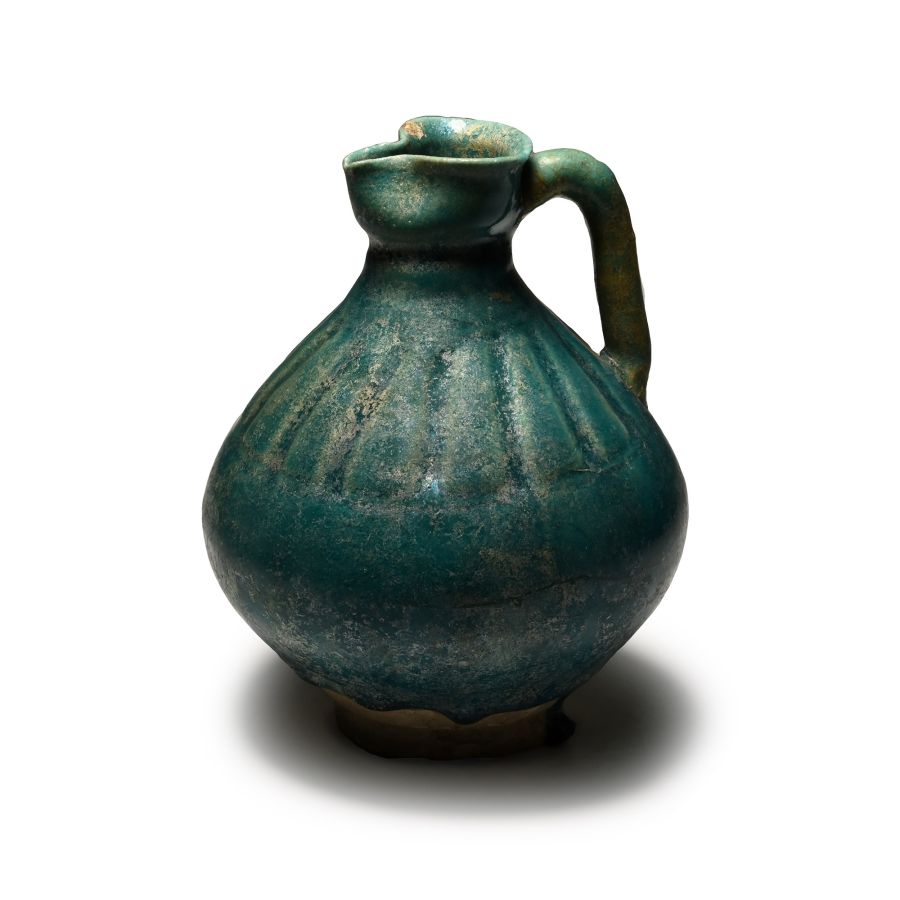
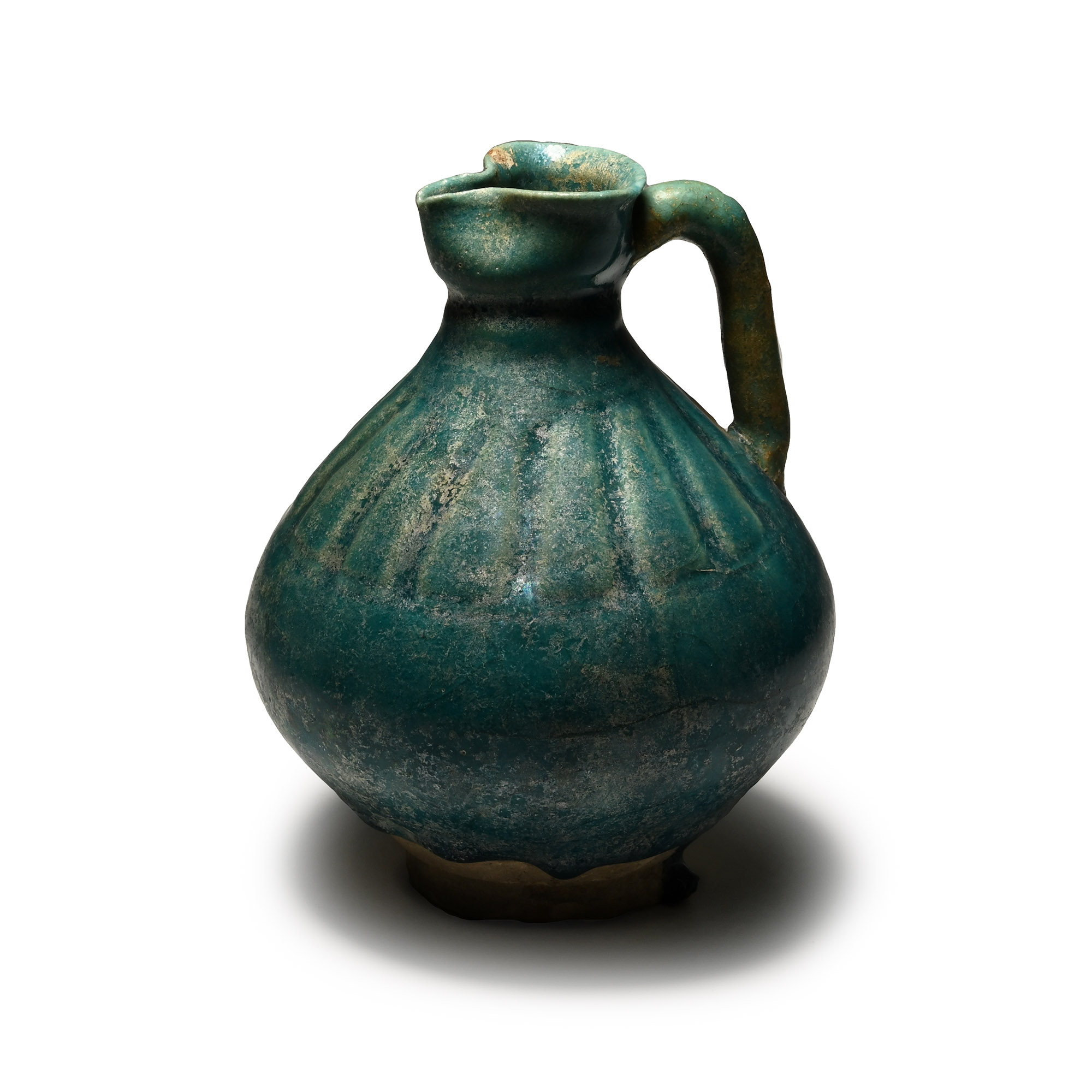
Western Asiatic Blue-Glazed Vessel
12TH-13TH CENTURY A.D.
5 5/8 in. (320 grams, 14.3 cm).
Biconvex in profile with thick basal ring and radiating ribs at the shoulder, strap handle and pinched trefoil mouth.
ProvenanceEx London, UK, gallery, 1971-early 2000s.
London, UK, collection.
This lot has been cleared against the Art Loss Register database, and is accompanied by an illustrated lot declaration signed by the Head of the Antiquities Department, Dr Raffaele D'Amato.
TimeLine Auctions follows a vetting process to ensure the authenticity and legality of all items, reinforcing our commitment to integrity and responsible trading. Each antiquity, antique, and coin lot undergoes thorough examination by a vetting committee of at least ten external specialists, professional trade association members, scientists, and archaeologists: Our Vetting Process
AUCTIONS:
TimeLine is a leading auction house specialising in antiquities, ancient art, collectables, natural history, coins, medals, and books. Our auctions offer museums, collectors, historians, and enthusiasts the opportunity to acquire unique and historically significant pieces.
LOT 1397
Western Asiatic Blue-Glazed Vessel
Estimate £300 - 400€350 - 460 (for guidance only)$410 - 540 (for guidance only)
-
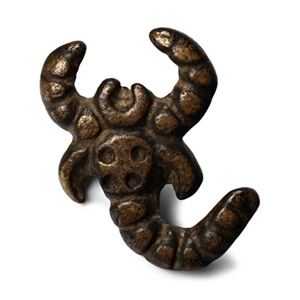
Bactrian Bronze Scorpion Mount
2nd millennium B.C.Estimate: £300 - 400 (+bp*)
Opening Bid: £110
Shaped as a scorpion with curving tail and pincers, the body with circular depressions, attachment loop beneath. 35 grams, 44 mm
Acquired before the early 1970s. with Bonhams, London, 26 October 2007, lot 417 [Part]. Ex London, UK, gallery. Accompanied by copies of the relevant Bonhams catalogue pages. This lot has been cleared against the Art Loss Register database, and is accompanied by an illustrated lot declaration signed by the Head of the Antiquities Department, Dr Raffaele D'Amato. -
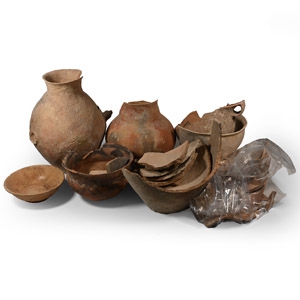
Holy Land and Other Terracotta Pottery Group
3rd-1st millennium B.C. and laterSold for (Inc. bp): £124
Including globular jars, bowls, vases, a polychrome glazed base and other items. 11.45 kg total, 4-29.5 cm
Ex London, UK, gallery, 1980-1990s. This lot has been cleared against the Art Loss Register database, and is accompanied by an illustrated lot declaration signed by the Head of the Antiquities Department, Dr Raffaele D'Amato.
In Early Bronze Age II Period, the pottery tradition of the previous period, in Holy Land, continues, though with a number of significant changes. The jars can be divided into those with and without necks. Thin walled jars were often done of fine, well-levigated ware. -
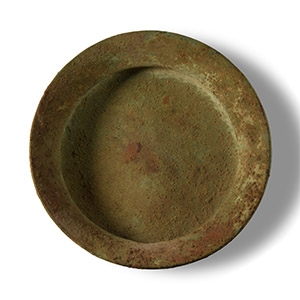
Achaemenid Bronze Bowl
5th-4th century B.C.Estimate: £150 - 200 (‡+bp*)
Opening Bid: £75
With broad flange rim, carinated profile and broad dished base. 225 grams, 15.3 cm
Private collection of Mr S.A., Switzerland, 1990s, thence by descent. This lot has been cleared against the Art Loss Register database, and is accompanied by an illustrated lot declaration signed by the Head of the Antiquities Department, Dr Raffaele D'Amato.
