
Loading, please wait...

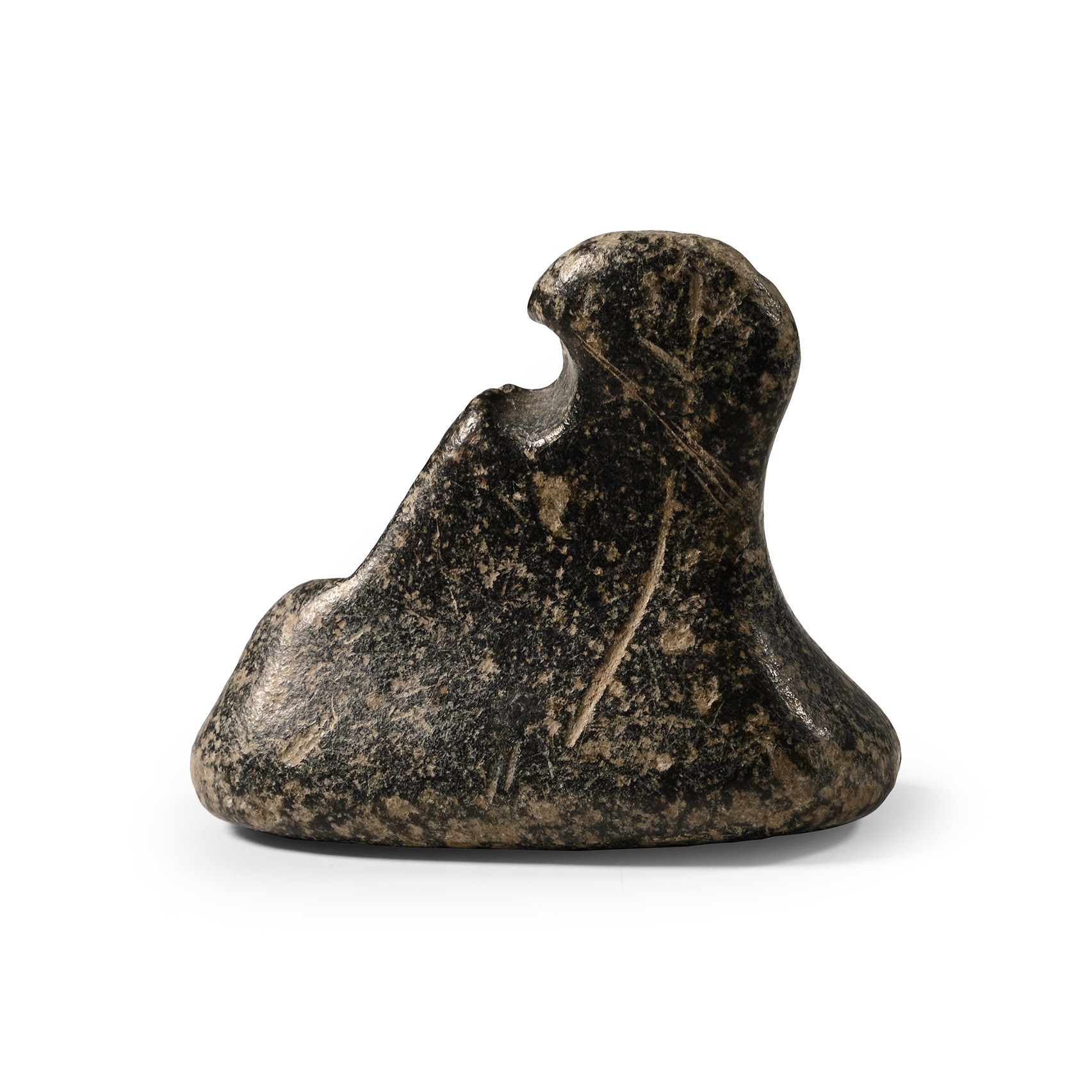
LOT 1440
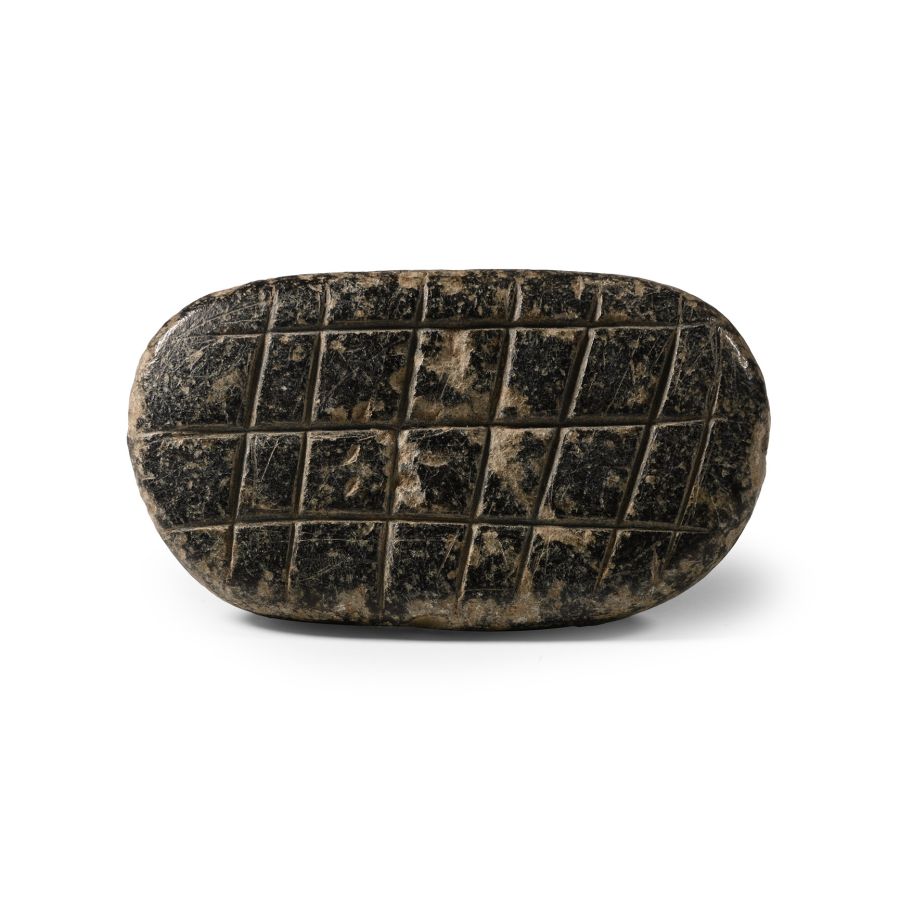
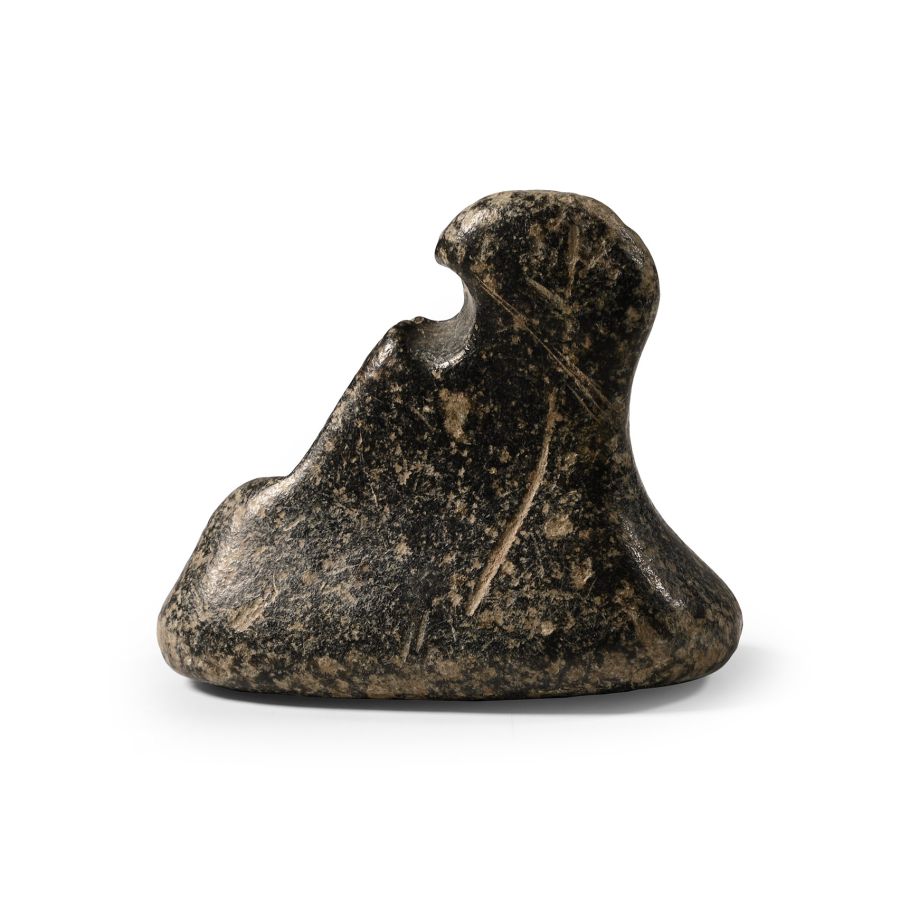
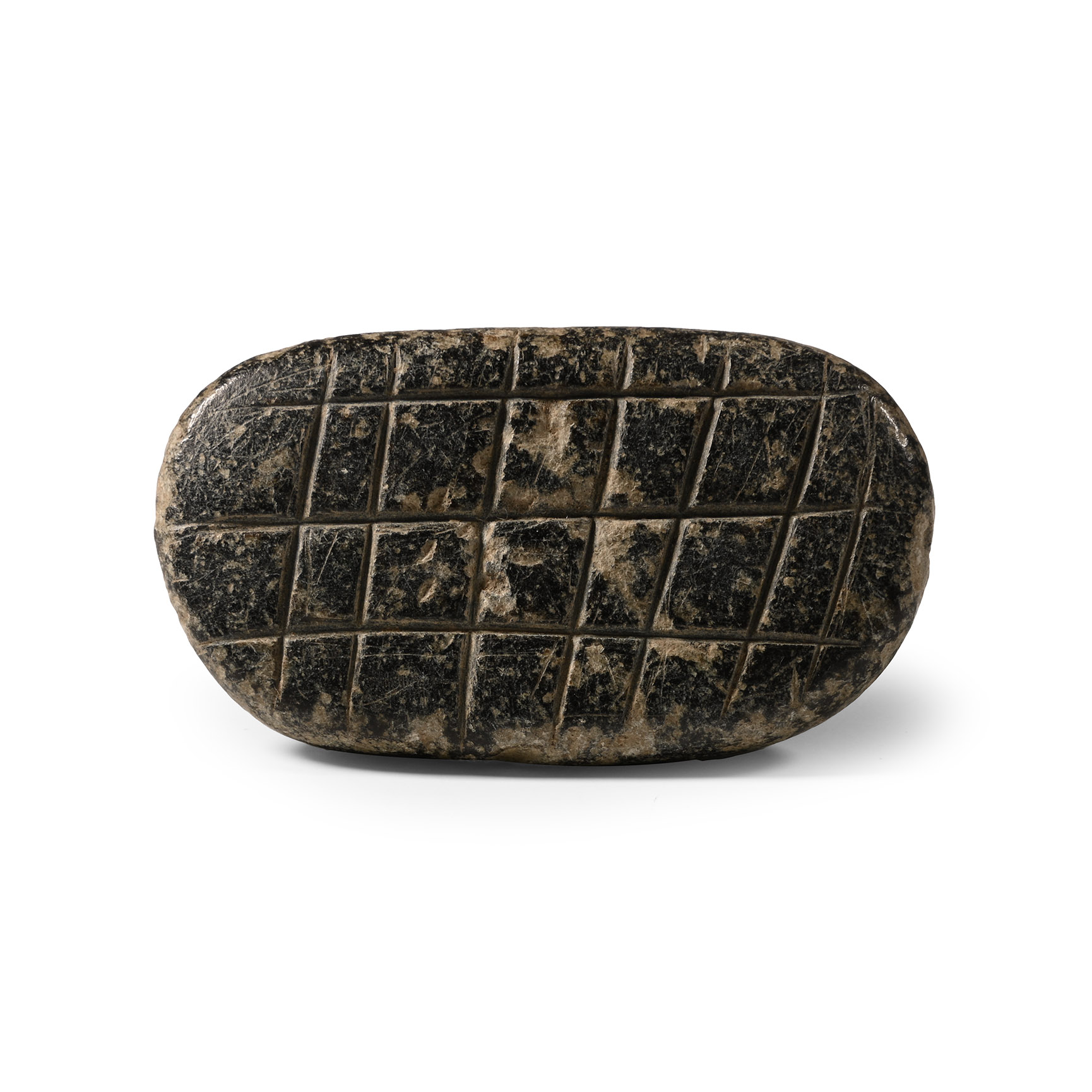
Western Asiatic Black Stone Seal with Cross
4TH MILLENNIUM B.C.
2 1/2 in. (124 grams, 64 mm).
Carved in the round, ellipsoid in plan with handle formed as a recumbent beast; underside with incised hatching; incised cross to one edge of the handle.
ProvenanceCollected from 1970-1999.
From the collection of the late Mr S.M., London, UK.
This lot has been cleared against the Art Loss Register database, and is accompanied by an illustrated lot declaration signed by the Head of the Antiquities Department, Dr Raffaele D'Amato.
TimeLine Auctions follows a vetting process to ensure the authenticity and legality of all items, reinforcing our commitment to integrity and responsible trading. Each antiquity, antique, and coin lot undergoes thorough examination by a vetting committee of at least ten external specialists, professional trade association members, scientists, and archaeologists: Our Vetting Process
AUCTIONS:
TimeLine is a leading auction house specialising in antiquities, ancient art, collectables, natural history, coins, medals, and books. Our auctions offer museums, collectors, historians, and enthusiasts the opportunity to acquire unique and historically significant pieces.
LOT 1440
Western Asiatic Black Stone Seal with Cross
Estimate £150 - 200€170 - 230 (for guidance only)$200 - 270 (for guidance only)
-
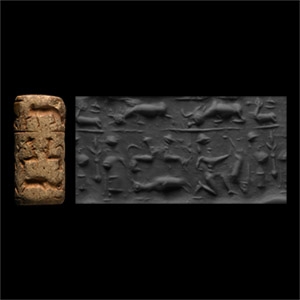
Mitanni Faience Cylinder Seal with Kneeling God and Animals
1500-1200 B.C.Sold for (Inc. bp): £260
Cylinder with cord and bead handles; accompanied by a copy of an old scholarly note, typed and signed by W.G. Lambert, late Professor of Assyriology, University of Birmingham, 1970-1993, which states: 'Cylinder Seal of Faience, Cream, 29 x 14 mm. The area of the design is divided into a smaller upper and a larger lower register. In the upper register are three horned animals, two with their heads down browsing, the third recumbent with its head up. In the lower register there is a kneeling god holding up a dead horned animal by its hind leg; two standing figures (priests) with a stylized tree between them; and two facing sphynxes above a fallen horned animal. This seas belongs to the Mittani common style, c. 1500-1200 B.C., and is one of the better specimens of its type. It probably comes from Syria, though Mitanni seals are found also in Palestine, Anatolia and Northern Mesopotamia. This double register type seems to be restricted to Syria. The tree is a symbol of the storm god, Teshub, but it is not known which god is represented by the horned animal.'; accompanied by a museum-quality impression. 6.44 grams total, 8.1-28.8 mm
UK private collection, acquired 1980-1983. Accompanied by a copy of a scholarly note, typed and signed by Professor Wilfrid George Lambert in August 1990. This lot has been cleared against the Art Loss Register database, and is accompanied by an illustrated lot declaration signed by the Head of the Antiquities Department, Dr Raffaele D'Amato. -
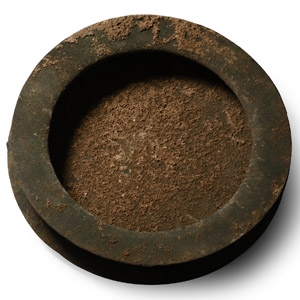
Heavy Luristan Bronze Dish
13th-7th century B.C.Estimate: £300 - 400 (+bp*)
Opening Bid: £150
Comprising a shallow body with sharply sloping walls and wide, everted rim. 712 grams, 19.5 cm
Acquired 1980-2015. Ex Abelita family collection. This lot has been cleared against the Art Loss Register database, and is accompanied by an illustrated lot declaration signed by the Head of the Antiquities Department, Dr Raffaele D'Amato. -
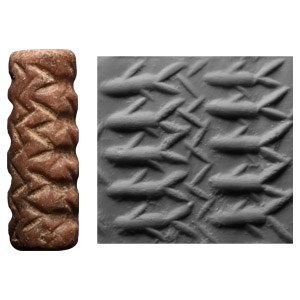
Sumerian Cylinder Seal with Fishes
3rd millennium B.C.Estimate: £300 - 400 (+bp*)
Opening Bid: £150
With frieze of fishes in profile within a field of zigzag lines. 11.5 grams, 37 mm
From the 'S' collection, acquired 1970-1990s. The collection was seen and studied by W.G.Lambert, late Professor of Assyriology at the University of Birmingham, 1970-1993. This lot has been cleared against the Art Loss Register database, and is accompanied by an illustrated lot declaration signed by the Head of the Antiquities Department, Dr Raffaele D'Amato.
