
Loading, please wait...
LOT 1401
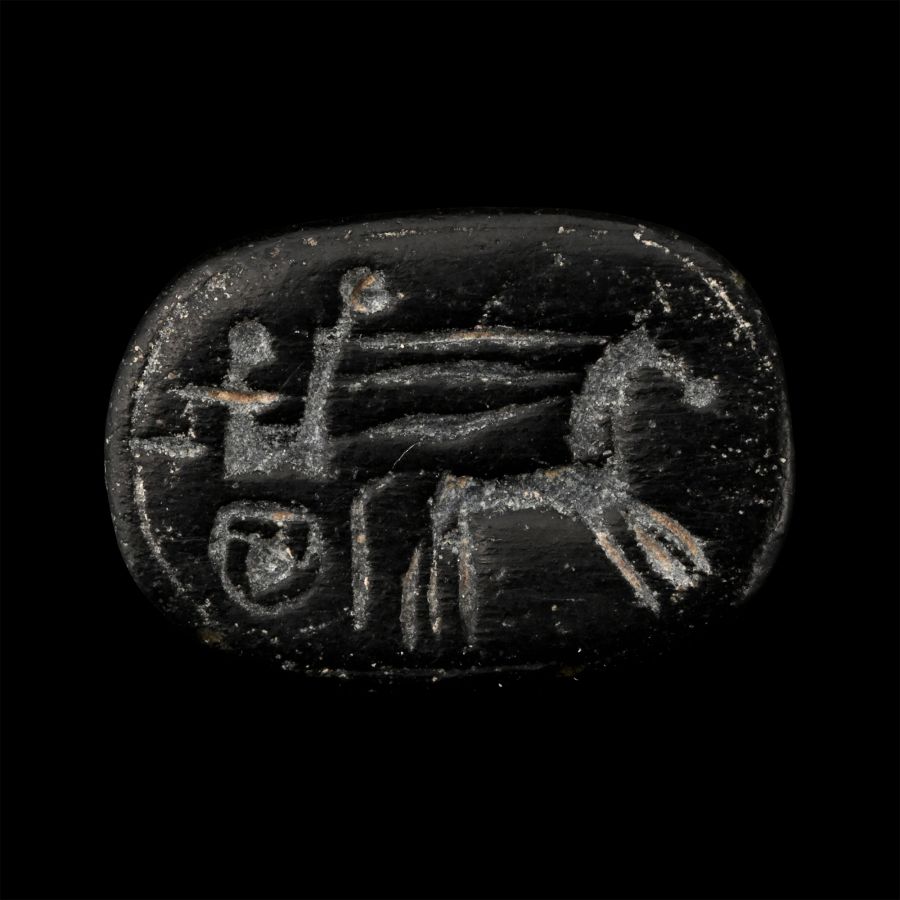
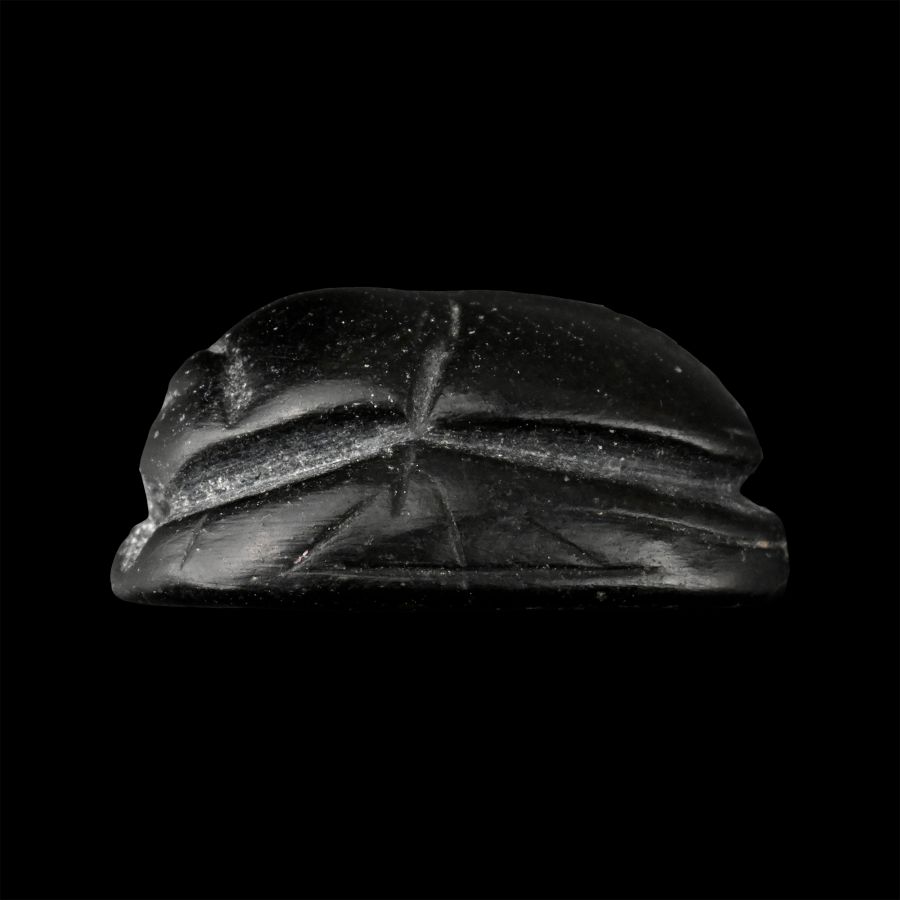
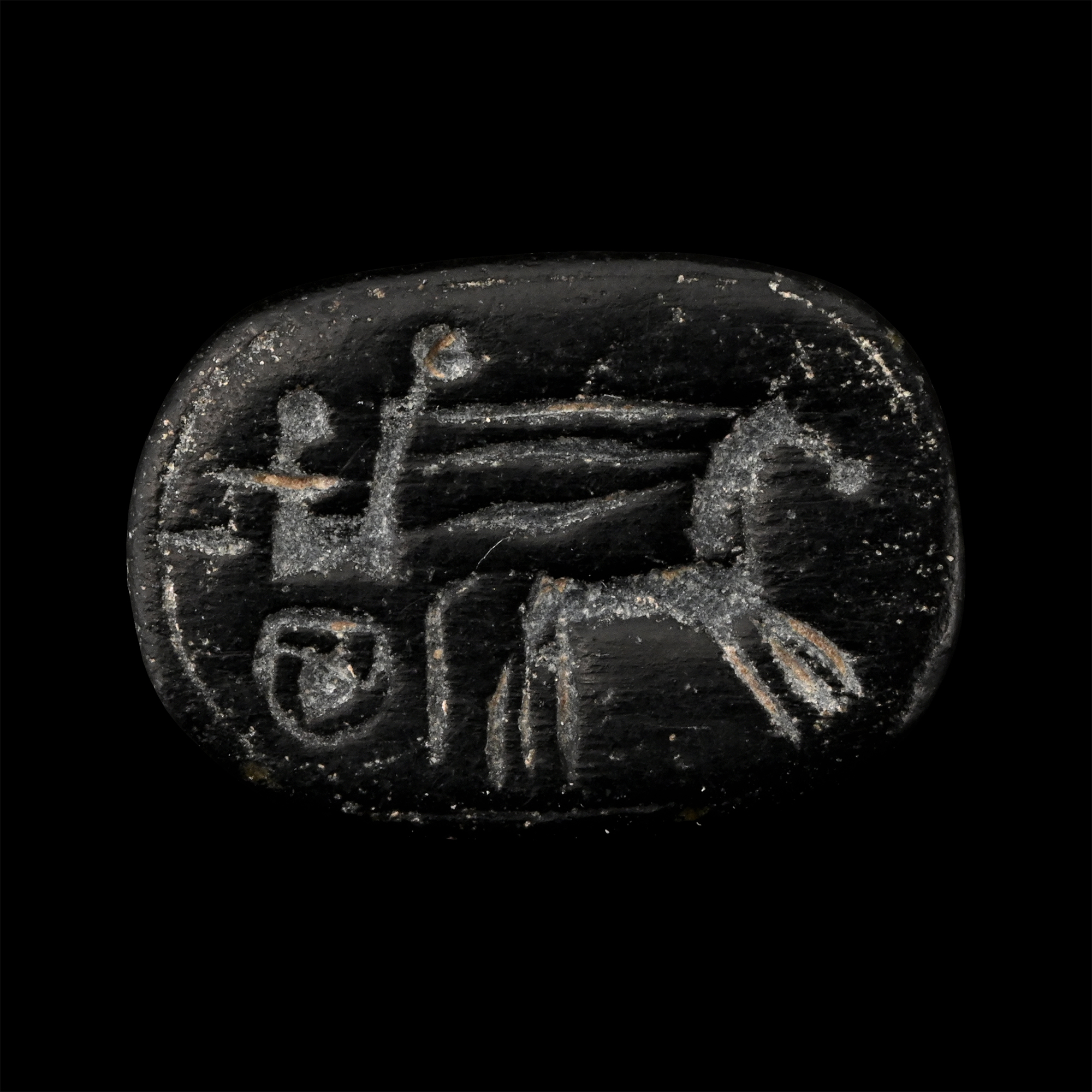
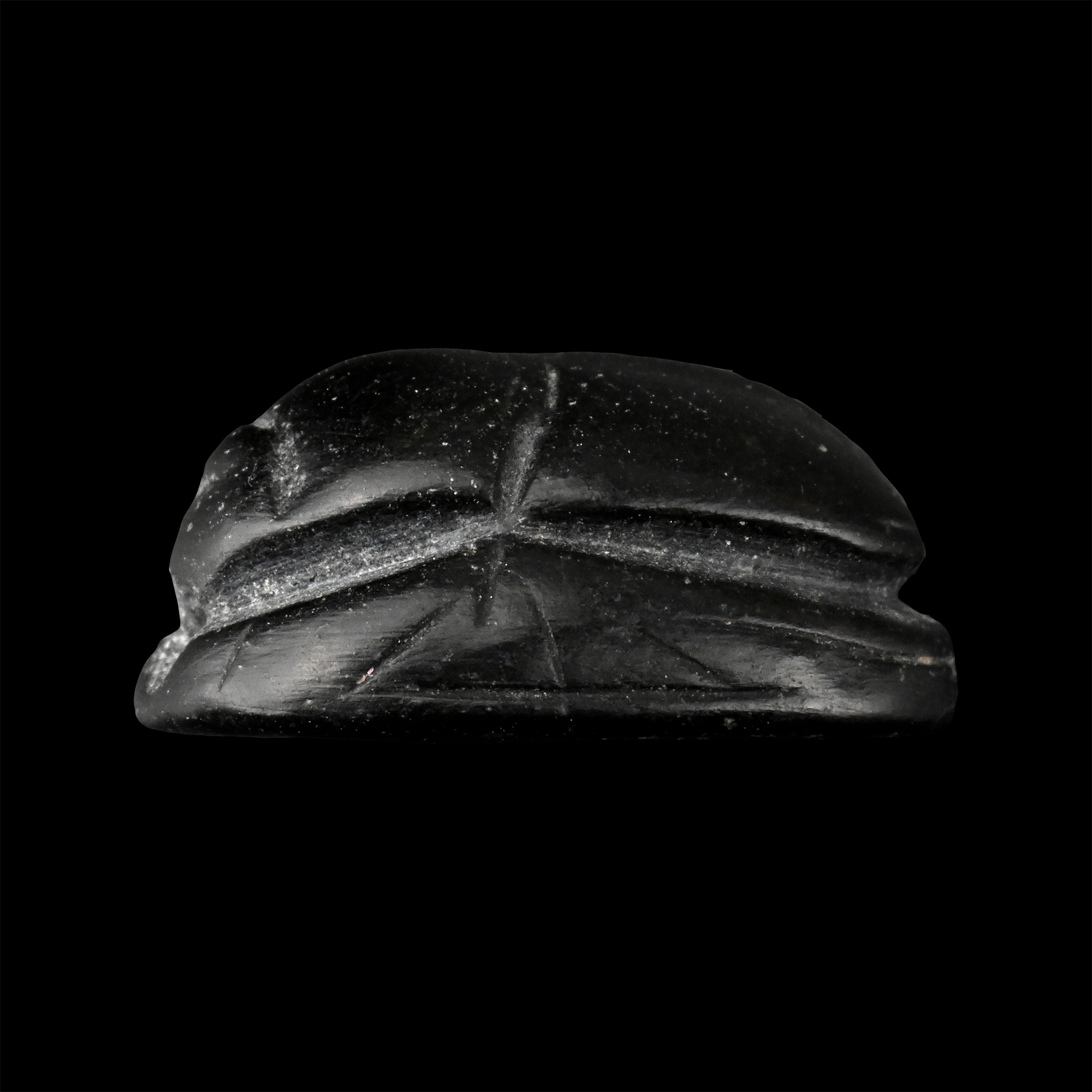
Western Asiatic Black Stone Scaraboid with Charioteer
LATE 1ST MILLENNIUM B.C.
5/8 in. (3.15 grams, 17 mm).
Carved anatomical detailing, the underside with two figures driving a biga. [No Reserve]
ProvenanceFrom a late Warwickshire numismatic collector, his collection formed from the early 1980s.
CONDITIONTimeLine Auctions follows a vetting process to ensure the authenticity and legality of all items, reinforcing our commitment to integrity and responsible trading. Each antiquity, antique, and coin lot undergoes thorough examination by a vetting committee of at least ten external specialists, professional trade association members, scientists, and archaeologists: Our Vetting Process
AUCTIONS:
TimeLine is a leading auction house specialising in antiquities, ancient art, collectables, natural history, coins, medals, and books. Our auctions offer museums, collectors, historians, and enthusiasts the opportunity to acquire unique and historically significant pieces.
-
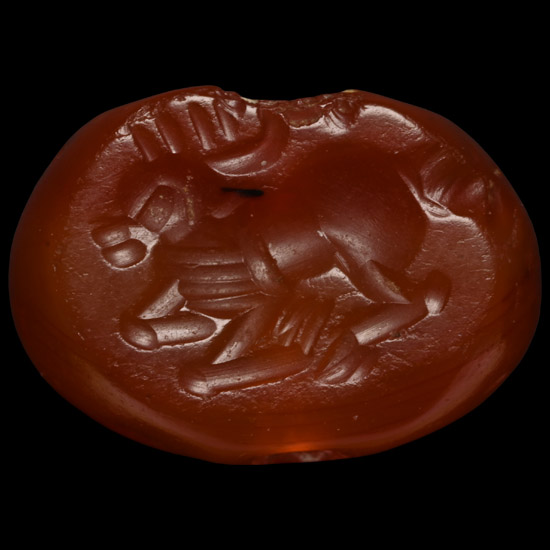
Sasanian Carnelian Stamp Seal with Recumbent Animal
Circa 3rd-7th century A.D.Sold for (Inc. bp): £26
Scaraboid type with incuse crouching stag motif. 1.56 grams, 12.41 mm
From the private collection of a European gentleman (1942-2024), formed since the 1970s. -
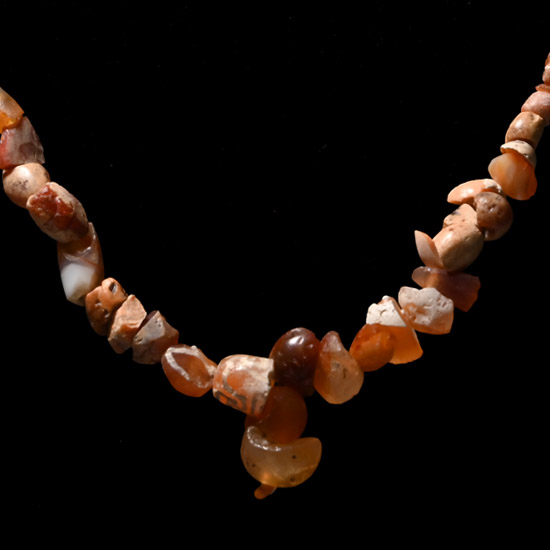
Bactrian Carnelian and Agate Bead Necklace String
1st millennium B.C. and laterSold for (Inc. bp): £26
Gently graduating group mainly formed of oblate and irregular beads; restrung. 21 grams, 40 cm long
From E.C; formerly in an old British collection formed in the 1980s. Property of a West Northamptonshire, UK, gentleman. -
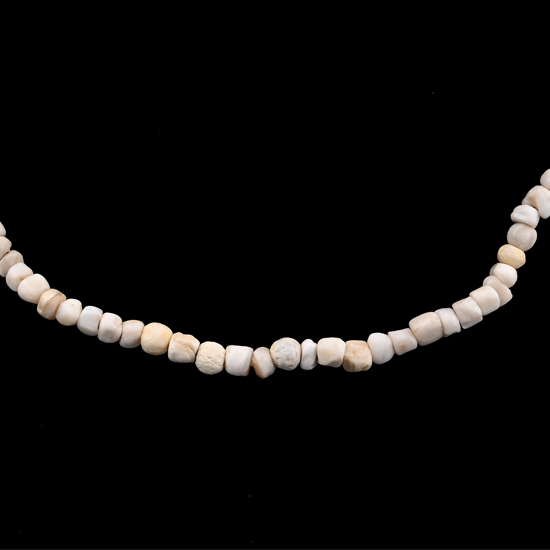
Western Asiatic Stone Bead Necklace String
1st millennium B.C. and laterSold for (Inc. bp): £26
Composed mainly of oblate beads; restrung. 11.62 grams, 37 cm long
Ex North London collection from the 1980s-1990s. Property of a West Northamptonshire, UK, gentleman. Accompanied by a Den of Antiquity certificate of authenticity.
