
Loading, please wait...
LOT 1721
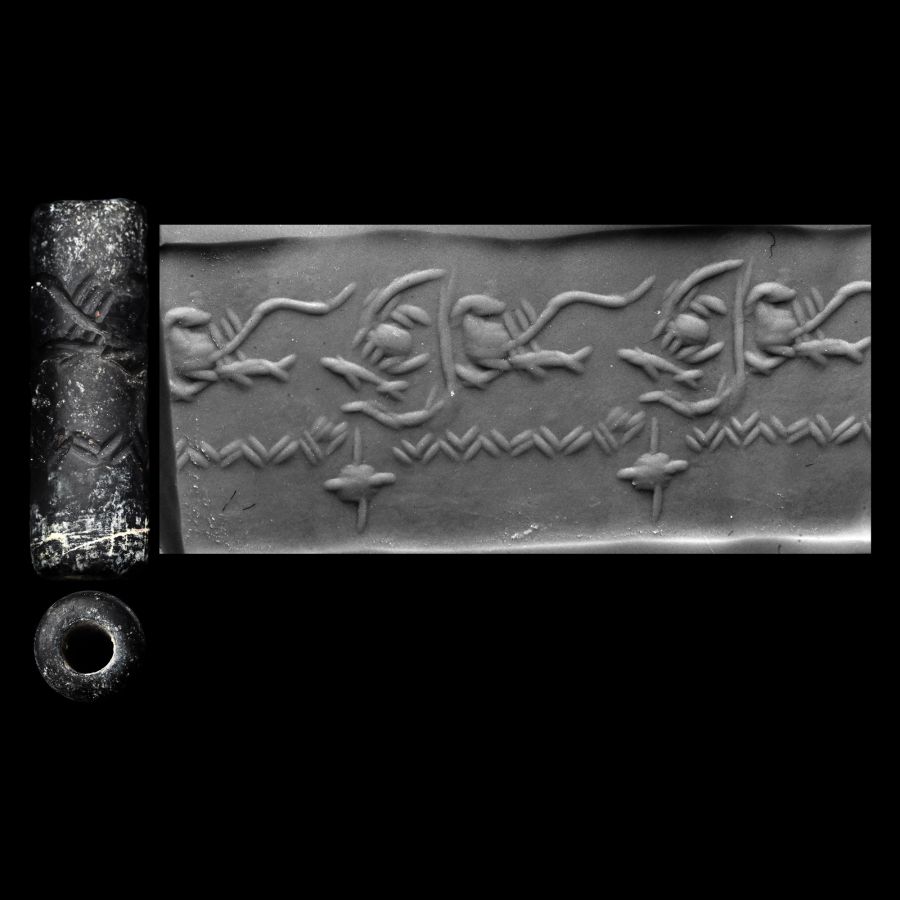
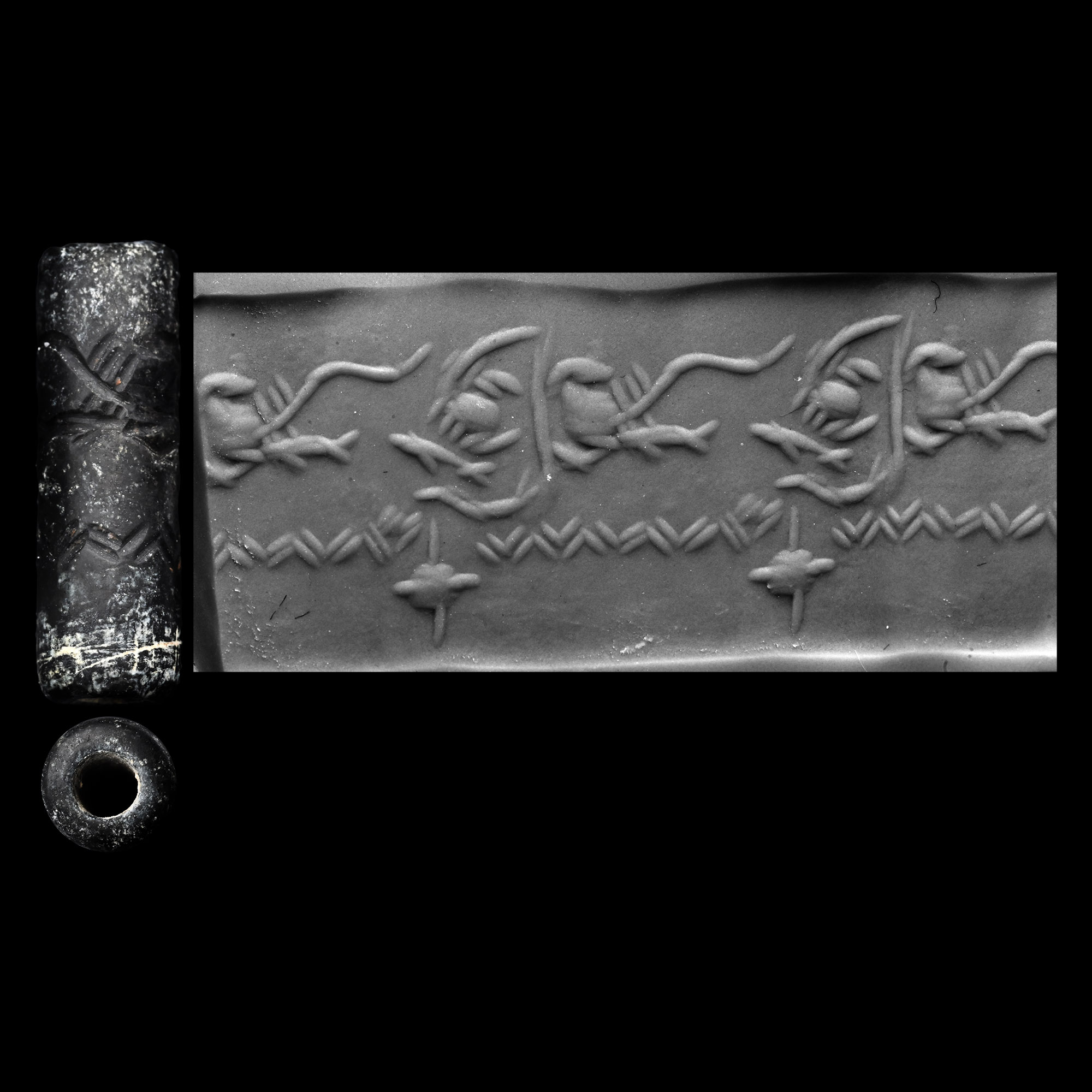
Western Asiatic Black Stone Cylinder Seal with Sea Creatures
2ND-1ST MILLENNIUM B.C.
5/8 in. (0.78 grams, 17.52 mm).
Frieze with horizontal line of chevrons above an aquatic scene with fish and a crab, objects in the field; supplied with a museum-quality impression. [No Reserve]
ProvenanceFrom the private collection of a European gentleman (1942-2024), formed since the 1970s.
CONDITIONTimeLine Auctions follows a vetting process to ensure the authenticity and legality of all items, reinforcing our commitment to integrity and responsible trading. Each antiquity, antique, and coin lot undergoes thorough examination by a vetting committee of at least ten external specialists, professional trade association members, scientists, and archaeologists: Our Vetting Process
AUCTIONS:
TimeLine is a leading auction house specialising in antiquities, ancient art, collectables, natural history, coins, medals, and books. Our auctions offer museums, collectors, historians, and enthusiasts the opportunity to acquire unique and historically significant pieces.
LOT 1721
Western Asiatic Black Stone Cylinder Seal with Sea Creatures
Sold for (Inc. bp): £91
-
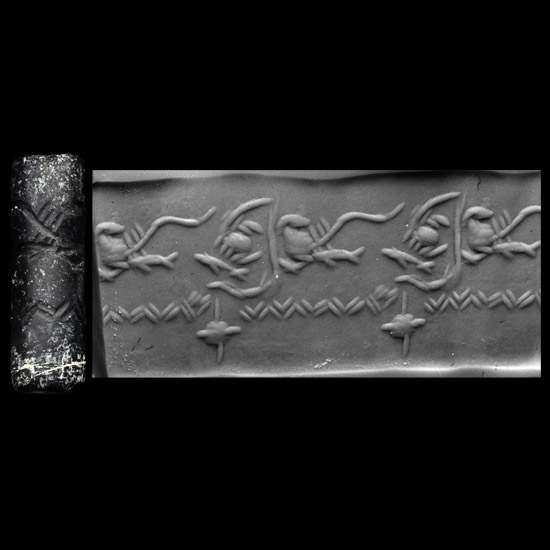
Western Asiatic Black Stone Cylinder Seal with Sea Creatures
2nd-1st millennium B.C.Sold for (Inc. bp): £91
Frieze with horizontal line of chevrons above an aquatic scene with fish and a crab, objects in the field; supplied with a museum-quality impression. 0.78 grams, 17.52 mm
From the private collection of a European gentleman (1942-2024), formed since the 1970s. -
.jpg)
Western Asiatic Stone Cylinder Seal Group
2nd-1st millennium B.C.Sold for (Inc. bp): £104
Comprising: profile gryphons flanking a scorpion; stylised linear design; combat scene with two figures tackling a rearing lion; ibexes running amid hatched foliage; supplied with a museum-quality impression. 22.7 grams total, 15.7-26 mm
From the private collection of a European gentleman (1942-2024), formed since the 1970s. -
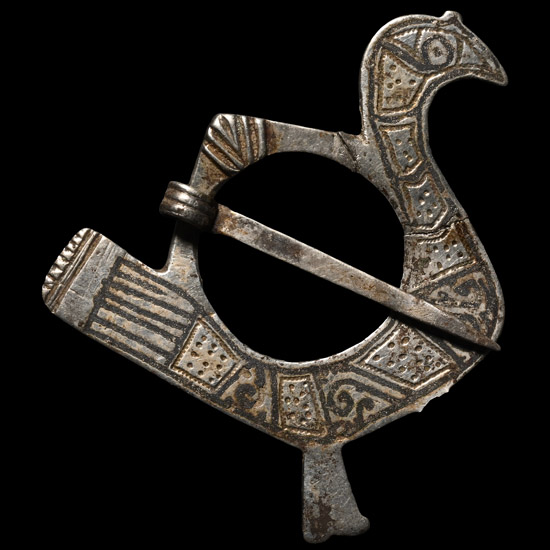
Sasanian Silver Annular Bird Brooch
6th-7th century A.D.Sold for (Inc. bp): £157
Formed as a stylised bird with a curving beak and long tail, an openwork wing forming the loop for the brooch, the body decorated with pellets, scrolls and linear motifs. 5.68 grams, 45 mm
From the private collection of a European gentleman (1942-2024), formed since the 1970s.
