
Loading, please wait...
LOT 1289
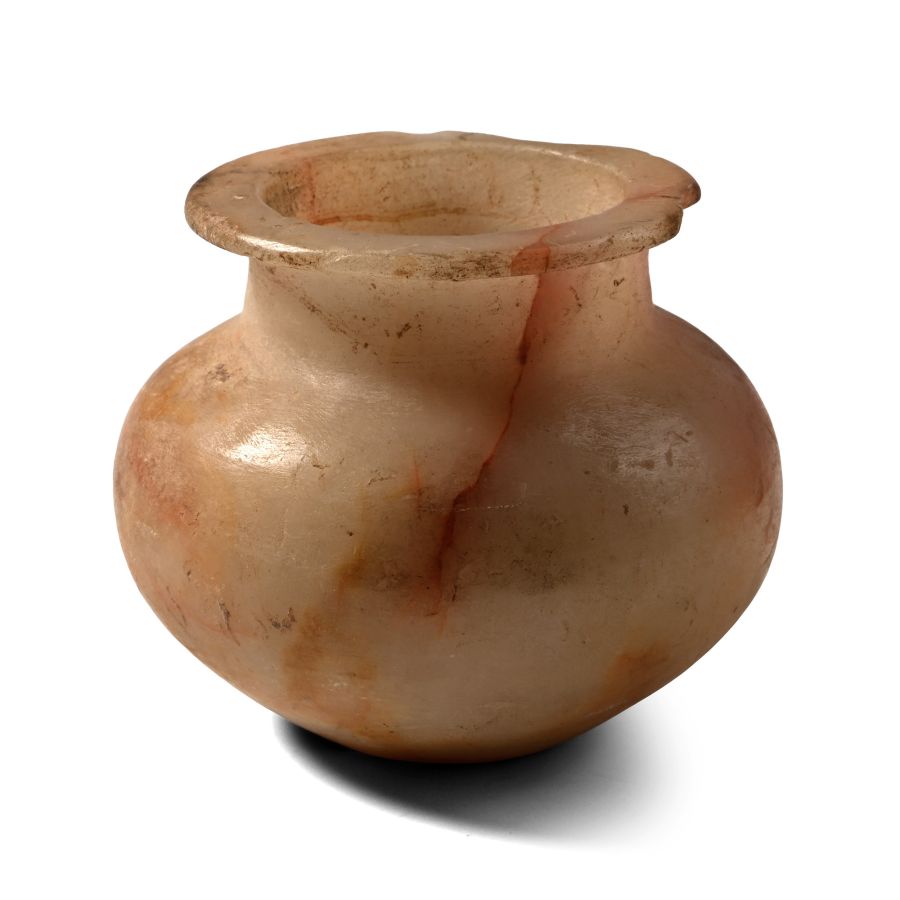
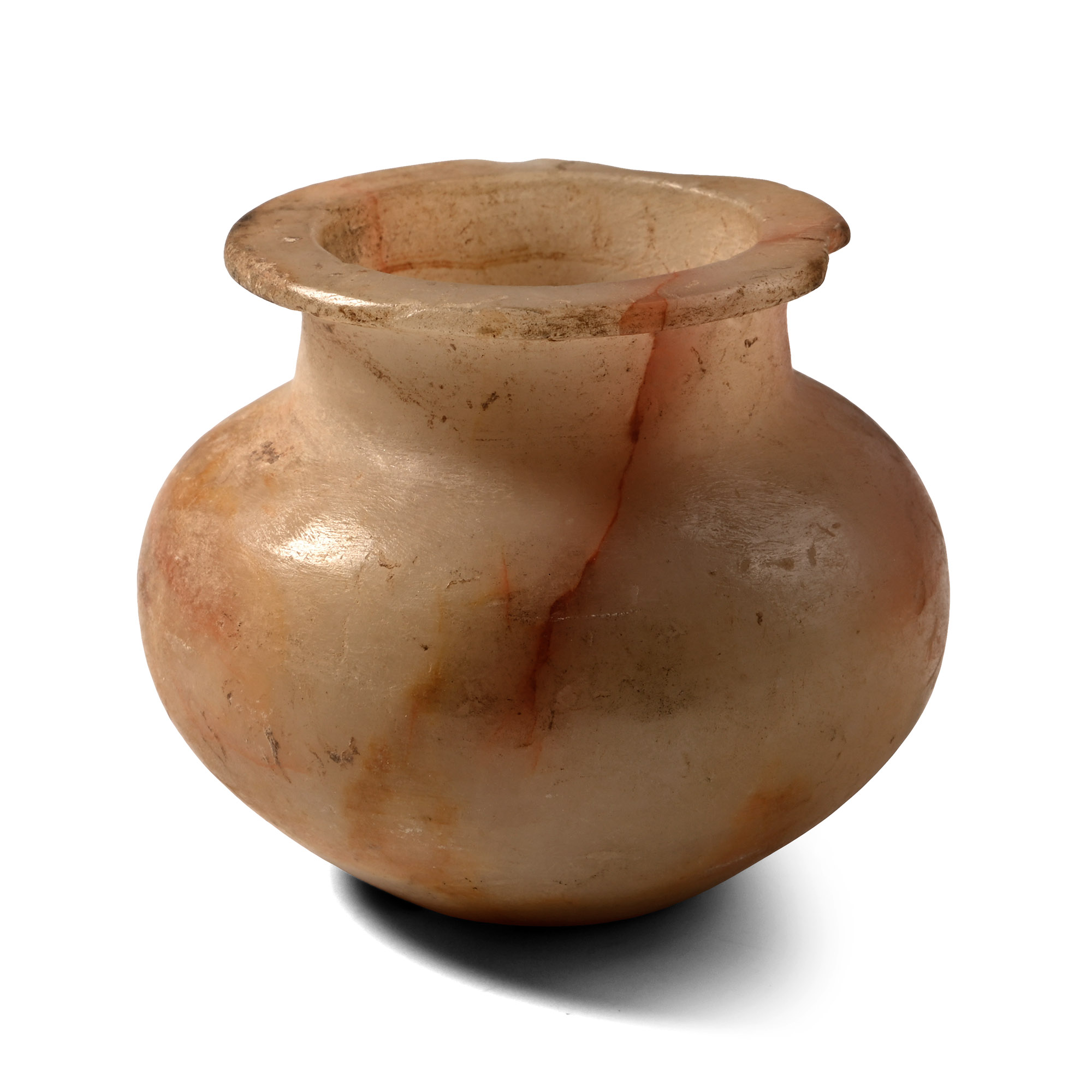
Western Asiatic Banded Alabaster Pot
2ND-1ST MILLENNIUM B.C.
2 3/4 in. (155 grams, 69 mm).
With squat body and rounded shoulder, low neck and everted rim. [No Reserve]
ProvenancePrivate collection, UK.
CONDITIONTimeLine Auctions follows a vetting process to ensure the authenticity and legality of all items, reinforcing our commitment to integrity and responsible trading. Each antiquity, antique, and coin lot undergoes thorough examination by a vetting committee of at least ten external specialists, professional trade association members, scientists, and archaeologists: Our Vetting Process
AUCTIONS:
TimeLine is a leading auction house specialising in antiquities, ancient art, collectables, natural history, coins, medals, and books. Our auctions offer museums, collectors, historians, and enthusiasts the opportunity to acquire unique and historically significant pieces.
-
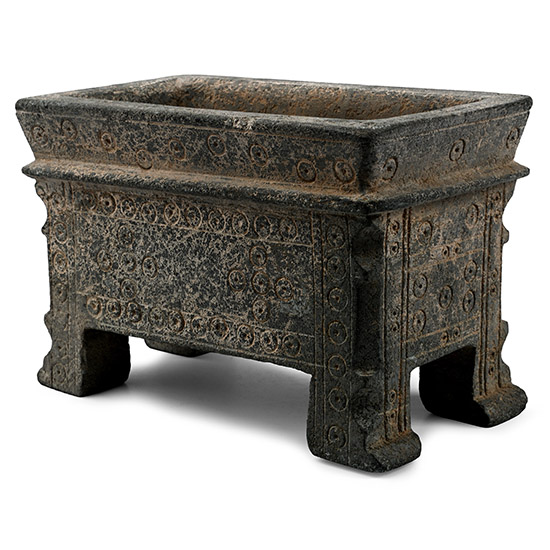
Western Asiatic Rectangular Stone Vessel
1st millennium B.C.Sold for (Inc. bp): £1,300
Rectangular-section body on four feet, slightly flared rim with a band, with ring-and-dot markings to the outer face. 1.37 kg, 14.7 cm
From a West London collection and formerly in a Mayfair gallery. -
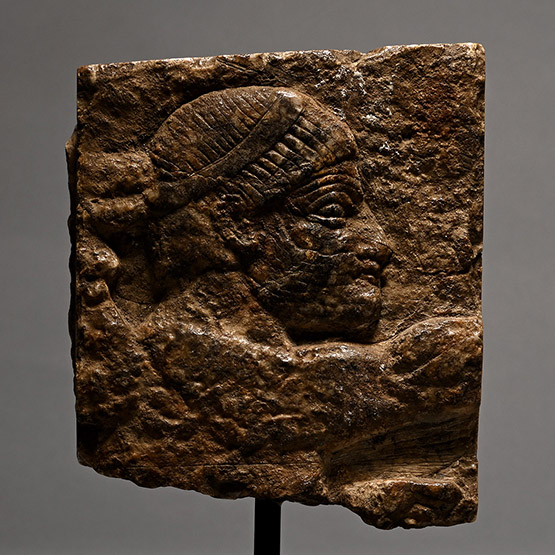
Assyrian Gypsum Relief with Head of a Bearded Man
704-681 B.C.Estimate: £8,000 - 10,000 (‡+bp*)
Opening Bid: £4,000
Rectangular frieze fragment with low-relief carving of a profile bust with short straight hair confined by a brow-band, segmented curls forming the beard, furrowed brow, one arm extended; handwritten label to rear 'from the Koyunjik palace of Sennacherib at Nineveh and incised legend 'KOUYUNJIK' and 'A'; mounted on a custom-made stand. 530 grams total, 11.6 cm including stand
Allegedly found in the Koyunjik Palace of Sennacherib. Ex property of a gentleman, UK, acquired in the 1970s. Ex private collection, Oxfordshire, UK, 1988. Anonymous sale, Christie's, London, 7 December 1994, no.235. Art market, New York. Ex private collection, Tokyo, Japan. Private European collection, 2009. This lot has been checked against the Interpol Database of stolen works of art and is accompanied by a search certificate number no.12880-241660. -
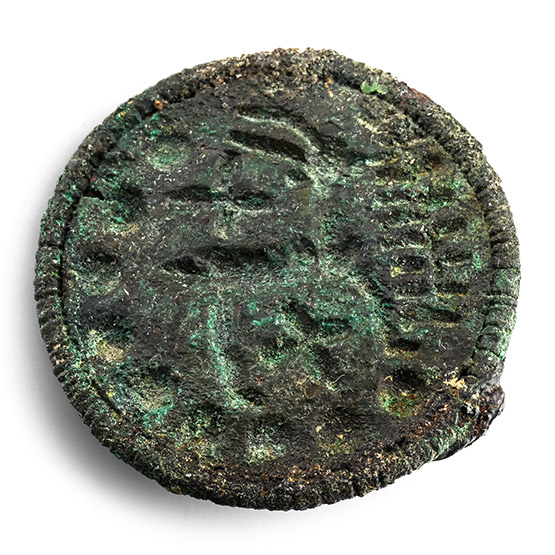
Central Asian Bronze Animal Roundel
1400-1700 A.D.Estimate: £100 - 140 (+bp*)
Opening Bid: £50
Discoid mount with low-relief animal design; accompanied by an old scholarly note, typed and signed by W.G. Lambert, late Professor of Assyriology, University of Birmingham, 1970-1993, which states: 'Bronze Disk 27 x 27 x 6.5 mm This is a round disk with a 'milled' edge. on the back of which a loop of strip metal is attached. The design on the face consists of a standing horned animal facing a tall slender tree, two crosses, one above the back, one between the legs of the animal, and a row of nine big dots under and behind the animal. This comes from west central Asia and most probably dates to c. 1400-1700 A.D. It is a button, no doubt for a formal garment such as a uniform. It is in very good condition.' 5.02 grams, 27 mm
Ex 'S' collection, 1970s-1990s. Accompanied by an original typed and signed scholarly note by the late W.G. Lambert, Professor of Assyriology at the University of Birmingham, 1970-1993.
