
Loading, please wait...
LOT 1406
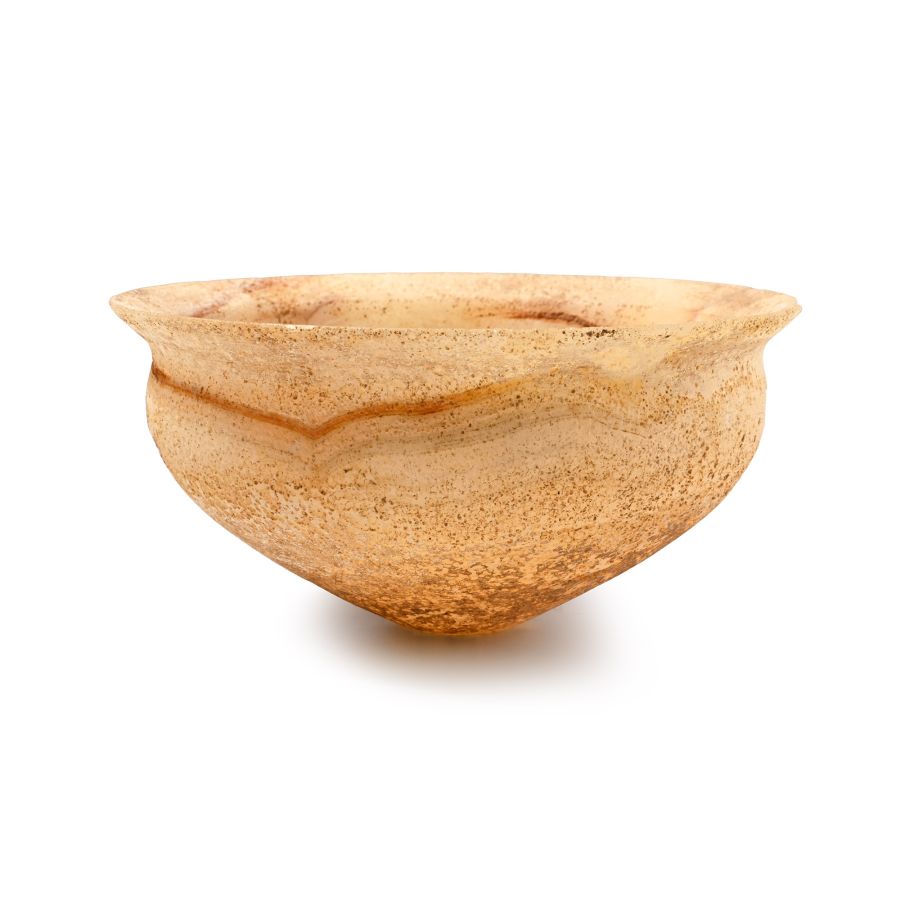
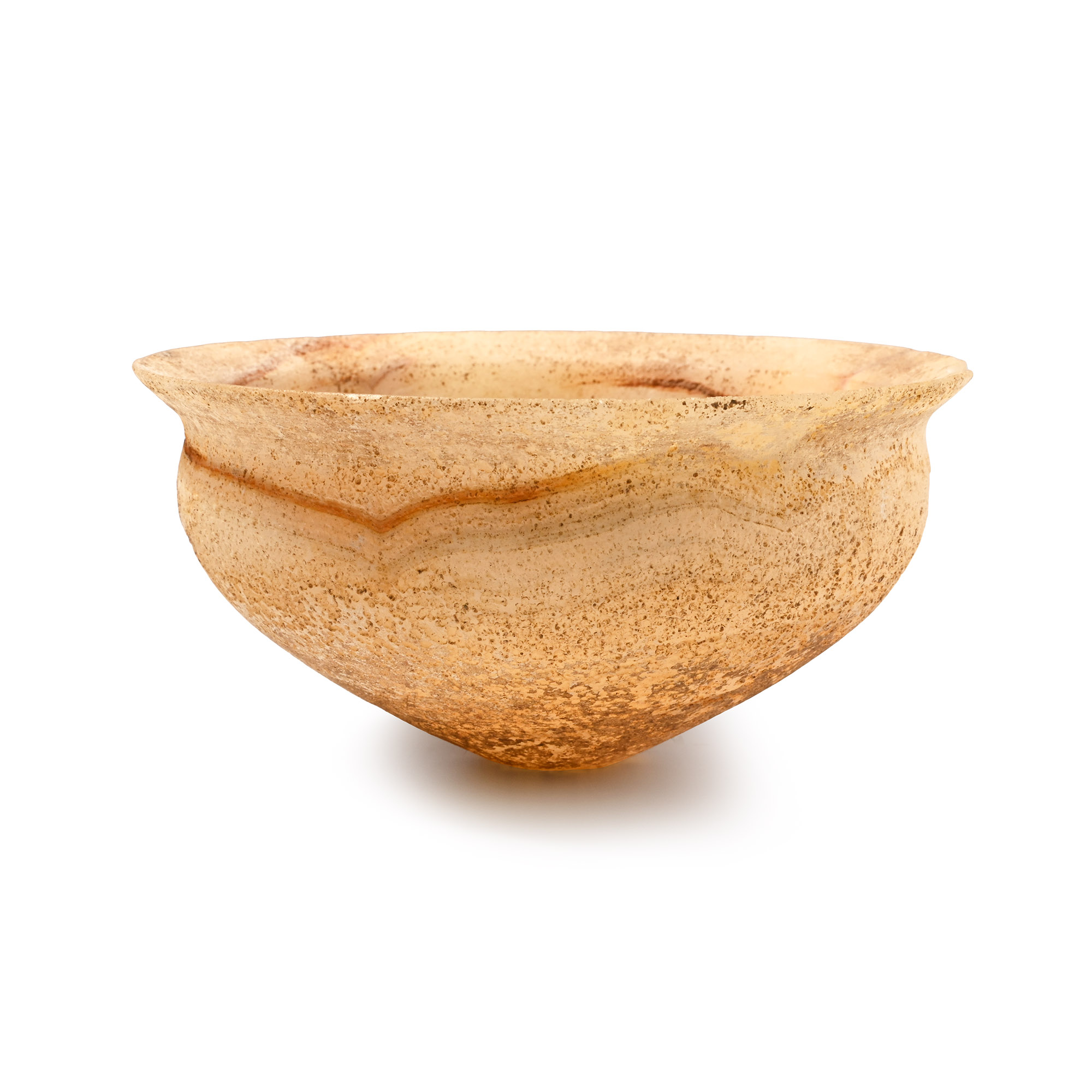
Western Asiatic Banded Alabaster Bowl
2ND-1ST MILLENNIUM B.C.
4 7/8 in. (250 grams, 12.3 cm wide).
Squat in profile with carination below the flared rim. [No Reserve]
ProvenancePrivate collection, UK.
CONDITIONTimeLine Auctions follows a vetting process to ensure the authenticity and legality of all items, reinforcing our commitment to integrity and responsible trading. Each antiquity, antique, and coin lot undergoes thorough examination by a vetting committee of at least ten external specialists, professional trade association members, scientists, and archaeologists: Our Vetting Process
AUCTIONS:
TimeLine is a leading auction house specialising in antiquities, ancient art, collectables, natural history, coins, medals, and books. Our auctions offer museums, collectors, historians, and enthusiasts the opportunity to acquire unique and historically significant pieces.
-
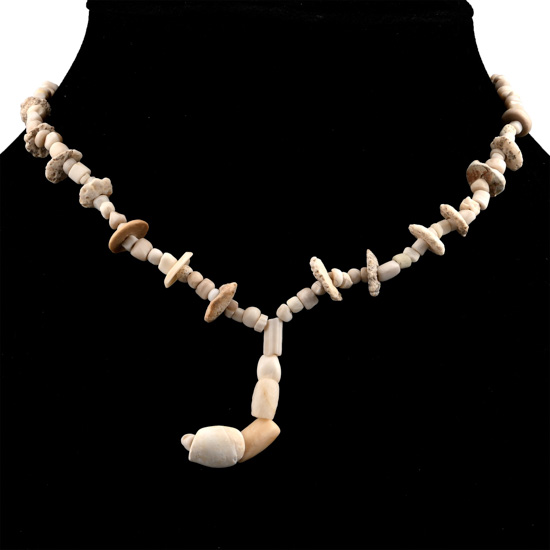
Western Asiatic Pale Stone Bead Necklace String
1st millennium B.C. and laterSold for (Inc. bp): £33
Mixed group of beads restrung to a Y-shape. 13.13 grams, 31.5 cm
From London, UK, gallery collection, 1990s. -
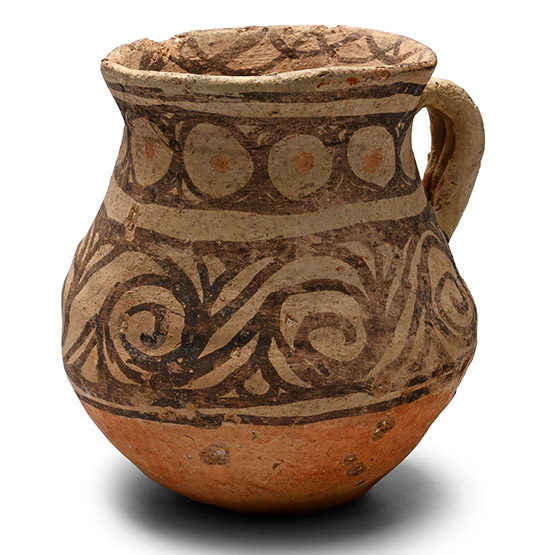
Western Asiatic Bichrome Terracotta Jug
8th-9th century A.D.Sold for (Inc. bp): £208
Biconvex in profile with flared mouth and ribbed loop handle; reserved discs and scrolls on a black field. 365 grams, 11.4 cm
UK collection, 1990s. Acquired on the UK art market, before 2000. Private collection, Mr M.V., a London-based businessman. -
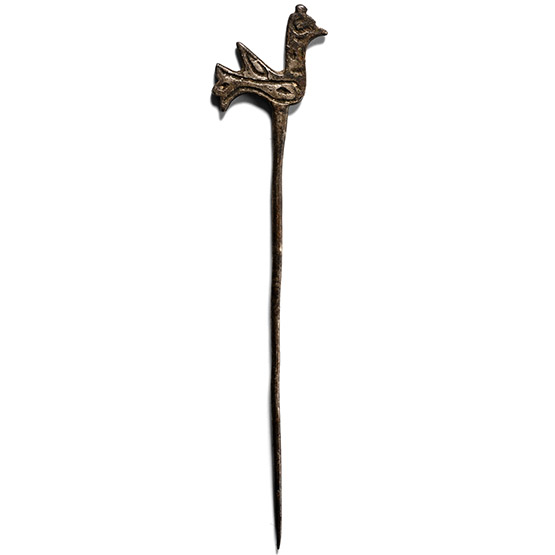
Western Asiatic Silver Bird-Headed Pin
Early 1st millennium A.D.Estimate: £100 - 140 (+bp*)
Opening Bid: £50
Finial formed as a stylised bird modelled in the round with bulbous head and eyes, lobed chest and tail. 2.1 grams, 81 mm
Ex Abelita family collection, 1980s-2000s.
