
Loading, please wait...
LOT 1332
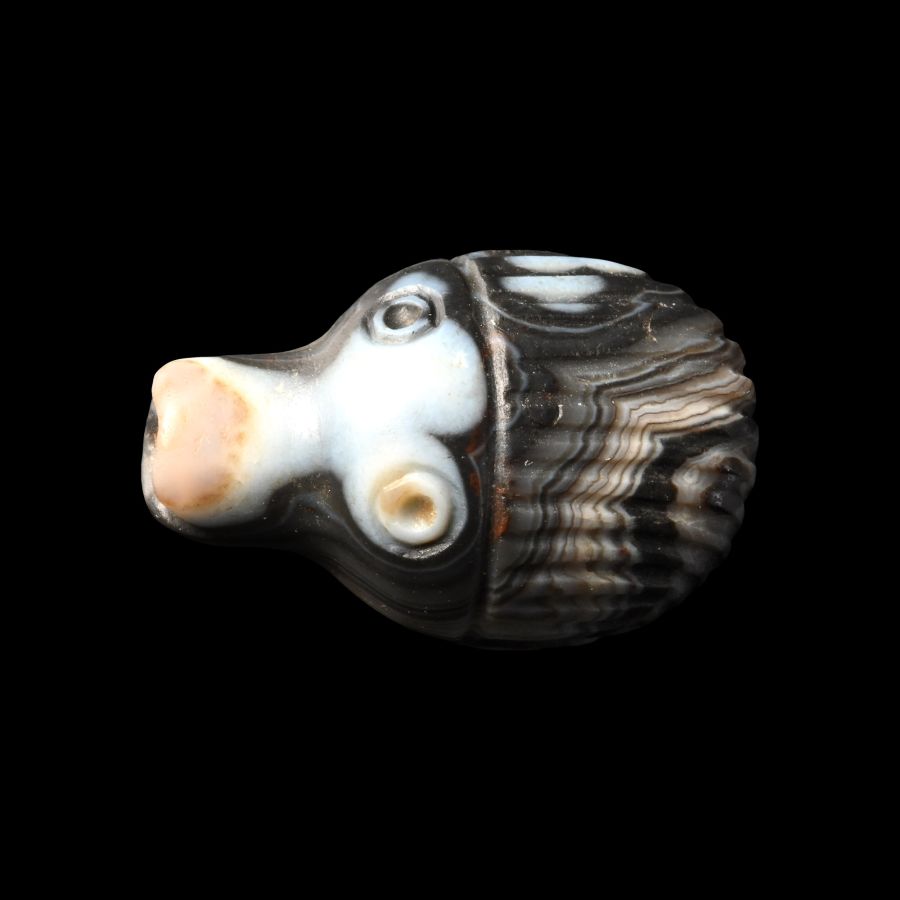
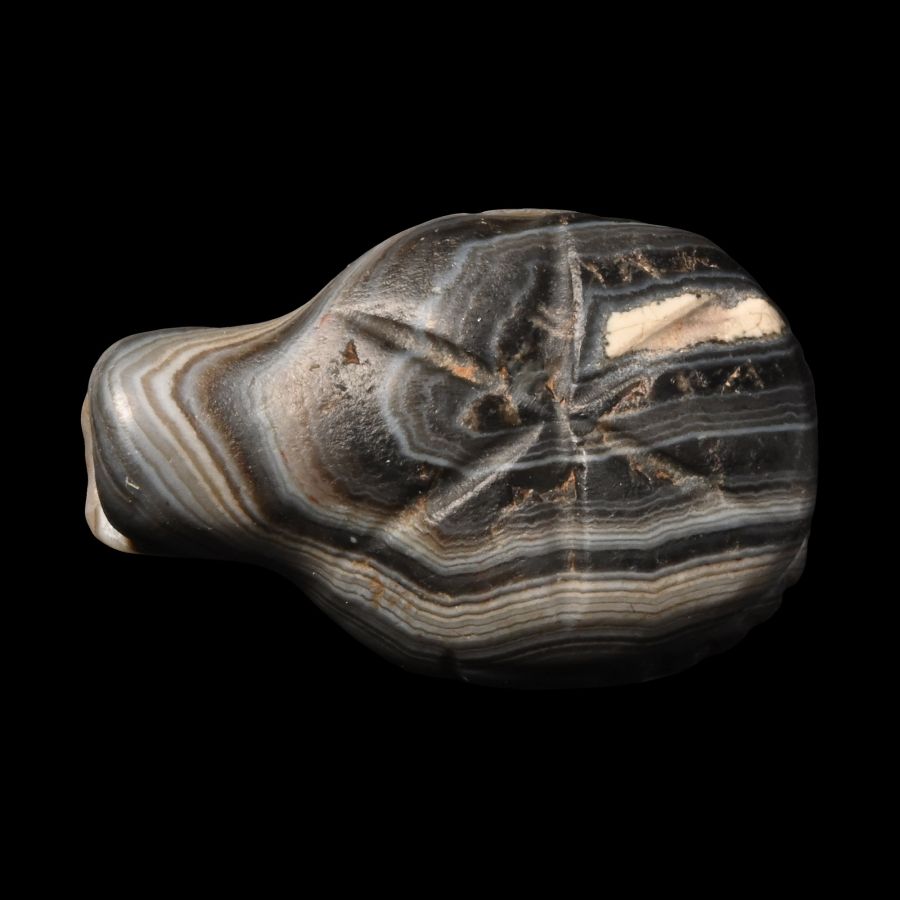
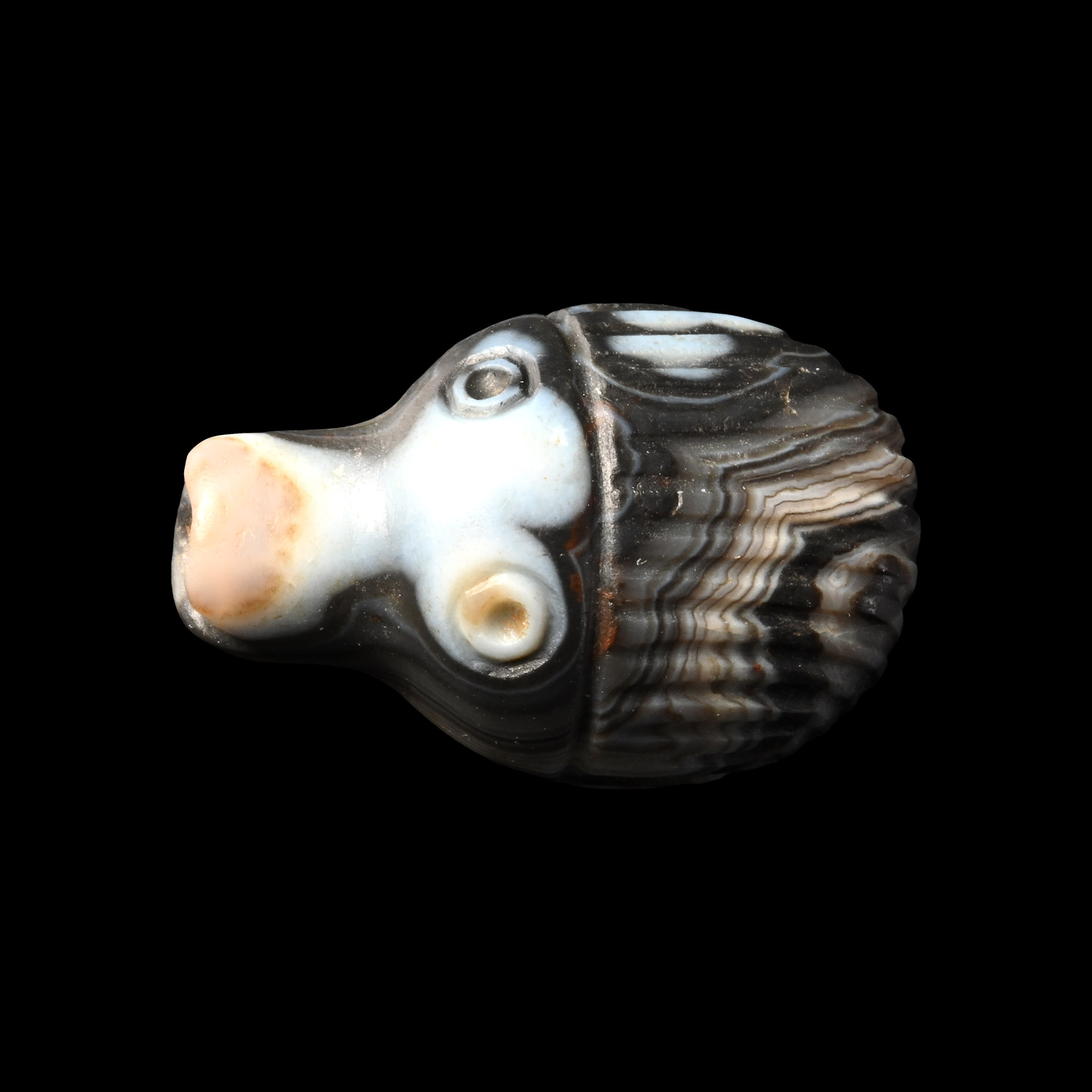
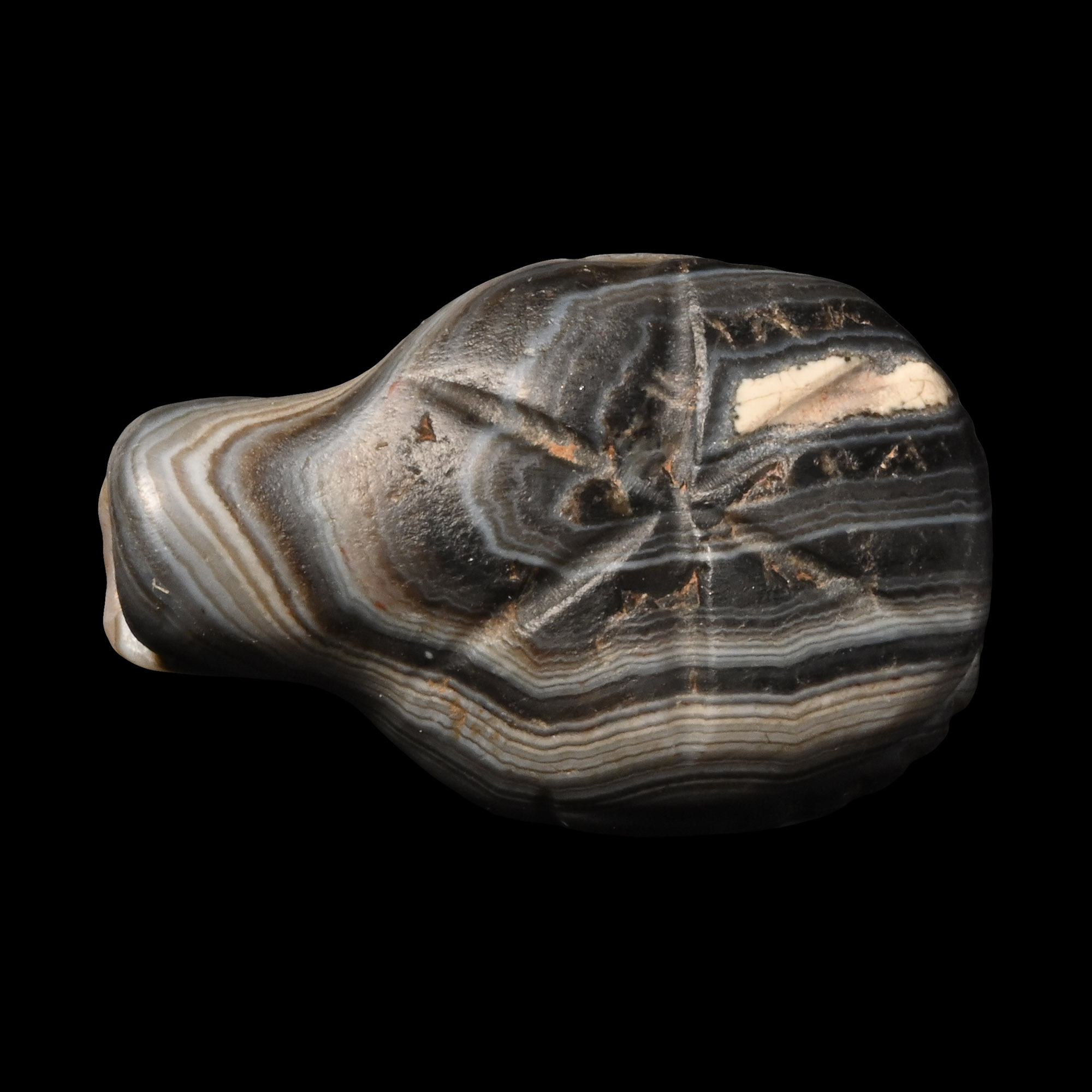
Western Asiatic Banded Agate Animal Bead
1ST MILLENNIUM B.C.
3/4 in. (2.93 grams, 20 mm).
Carved in the round, bottle-sjaped with ribbed band of hair or fur, ring-and-dot eyes.
ProvenancePrivate collection, England.
CONDITIONTimeLine Auctions follows a vetting process to ensure the authenticity and legality of all items, reinforcing our commitment to integrity and responsible trading. Each antiquity, antique, and coin lot undergoes thorough examination by a vetting committee of at least ten external specialists, professional trade association members, scientists, and archaeologists: Our Vetting Process
AUCTIONS:
TimeLine is a leading auction house specialising in antiquities, ancient art, collectables, natural history, coins, medals, and books. Our auctions offer museums, collectors, historians, and enthusiasts the opportunity to acquire unique and historically significant pieces.
LOT 1332
Western Asiatic Banded Agate Animal Bead
Estimate £300 - 400€350 - 460 (for guidance only)$410 - 540 (for guidance only)
-
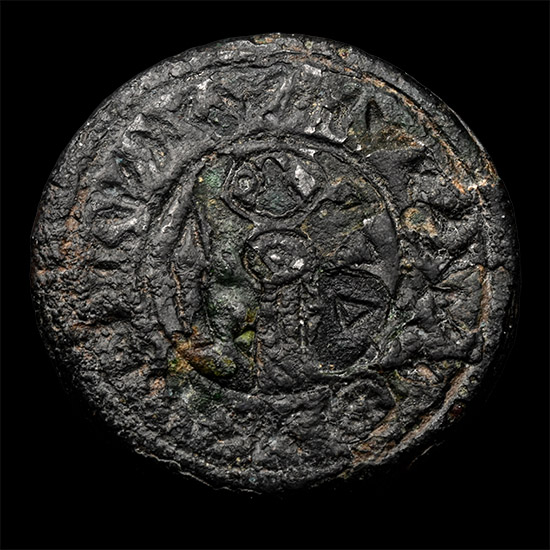
Hittite Silvered Bronze Domed Stamp Seal with Hieroglyphs
Circa 1500-1300 B.C.Sold for (Inc. bp): £247
Plano-convex in profile with gusset to the rim; underside: central panel with geometric design, hieroglyphic text to the border; obverse: central tondo with hieroglyphs, beaded ring and geometric border; transverse piercing; an important piece. 13.4 grams, 23 mm
From a London, UK, private collection.
The so-called 'Hittite hieroglyphs' encode texts in the Luwian language of Asia Minor. Hieroglyphic Luwian is a native script, also known as 'Anatolian hieroglyphs', which was used on official or royal seals and a few monumental inscriptions. -
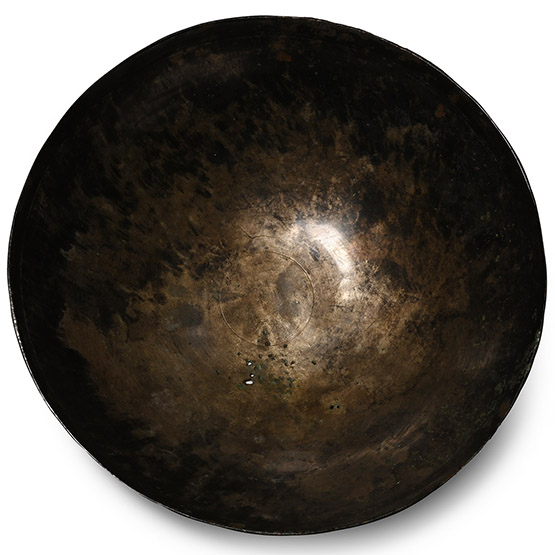
Western Asiatic Decorated High-Tin Bronze Bowl
Late 1st millennium B.C.Sold for (Inc. bp): £46
Hemispherical in section with rolled rim, incised ring to centre and below rim. 220 grams, 17.5 cm
Acquired 1980-2015. Ex Abelita family collection. -
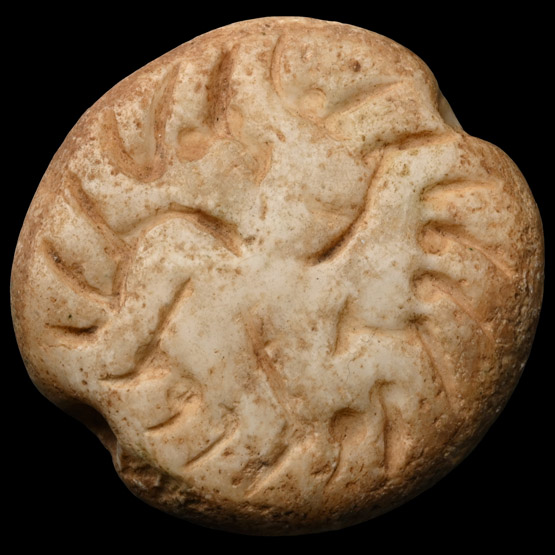
Large Western Asiatic Stone Stamp Seal with Incised Design
3rd-2nd millennium B.C.Estimate: £100 - 140 (+bp*)
Opening Bid: £50
Plane-convex in section with keel to the domed face, incised design of three advancing horses. 34.6 grams, 40 mm
Private collection, England.
