
Loading, please wait...

LOT 1348
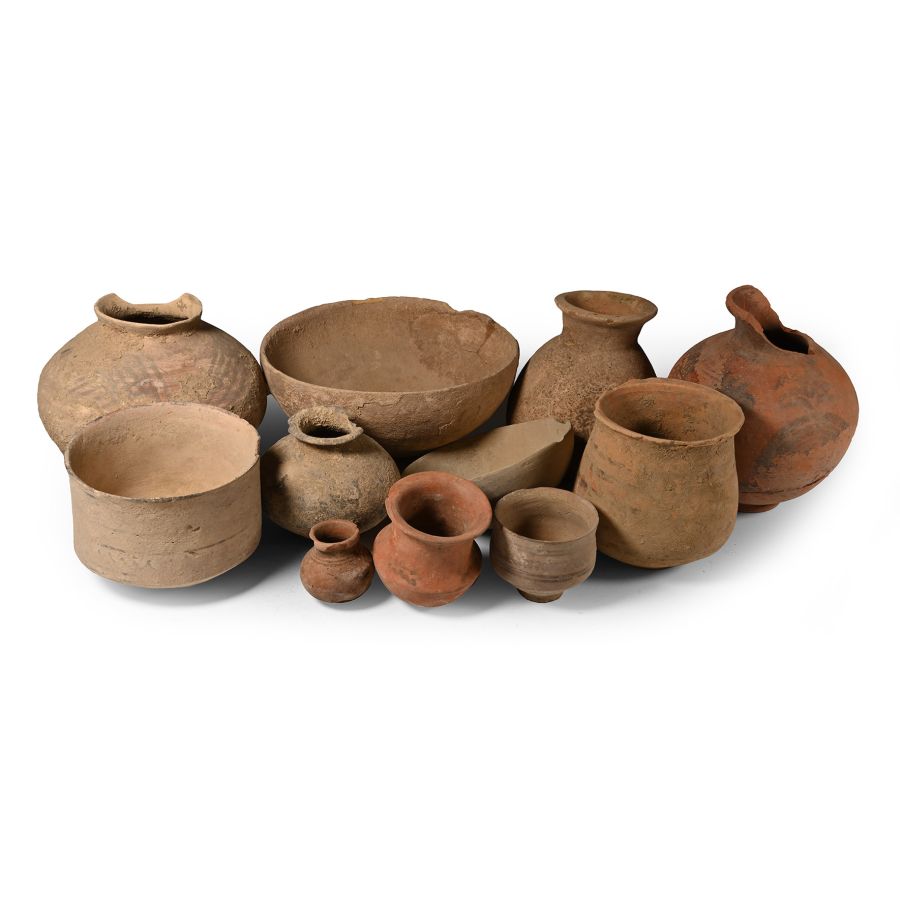
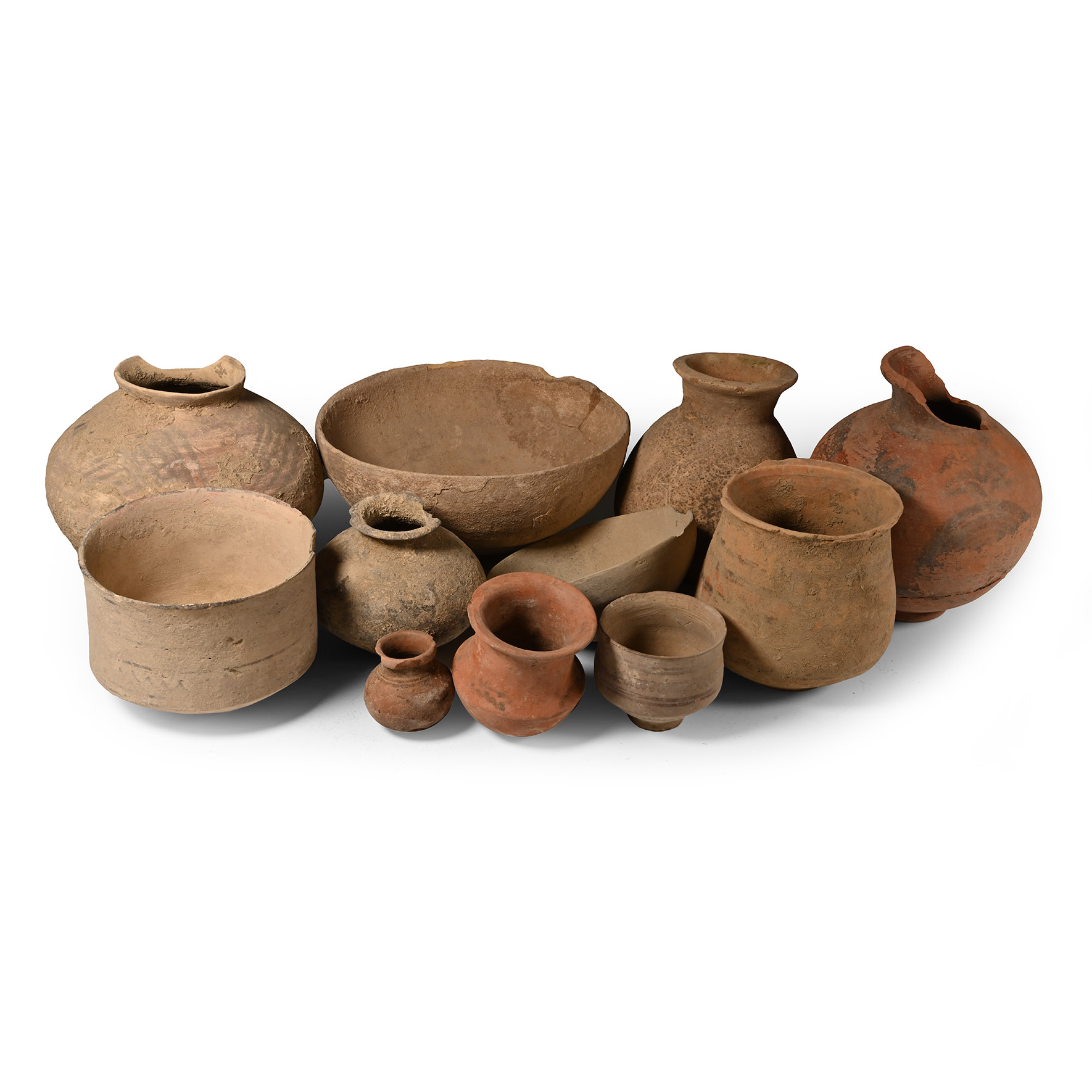
Western Asiatic and Other Terracotta Vessel Group
3RD-1ST MILLENNIUM B.C.
1 3/4 - 7 5/8 in. (3.5 kg total, 4.5-19.5 cm).
Including aa drum-shaped jar, cup with carinated profile and other items. [11, No Reserve]
ProvenanceFrom the private collection of the late David Gold, 1990s.
CONDITIONTimeLine Auctions follows a vetting process to ensure the authenticity and legality of all items, reinforcing our commitment to integrity and responsible trading. Each antiquity, antique, and coin lot undergoes thorough examination by a vetting committee of at least ten external specialists, professional trade association members, scientists, and archaeologists: Our Vetting Process
AUCTIONS:
TimeLine is a leading auction house specialising in antiquities, ancient art, collectables, natural history, coins, medals, and books. Our auctions offer museums, collectors, historians, and enthusiasts the opportunity to acquire unique and historically significant pieces.
-
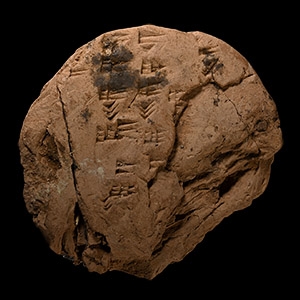
Mesopotamian Terracotta Cuneiform School Exercise Tablet
Circa 1950-1700 B.C.Sold for (Inc. bp): £468
Discoid in plan and lentoid in section, bearing cuneiform scribal work in large characters on one side. 250 grams, 10.3 cm
From a specialised collection of cuneiform texts, the property of a London gentleman and housed in London before 1992. Thence by descent to family members and dispersed in 1988 in London and Geneva.
Such scribal tablets are always of this round shape. Type IV tablets, also known as 'lentils', are circular tablets containing one or a few lines of a composition written out once by the teacher and then a second time by the student, either underneath (typical of Nippur tablets), or on the reverse. This would appear to be an example of the former. -
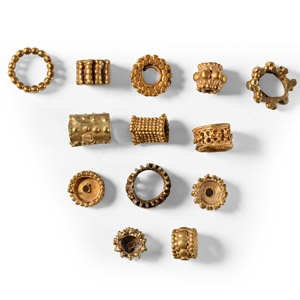
Western Asiatic Granulated Gold Bead Group
2nd-1st millennium B.C.Sold for (Inc. bp): £538
Mainly annular and tubular types with regularly placed granules and other detailing. 8.27 grams total, 6-8 mm
Ex property of a late Japanese collector, 1970s-2000s. -
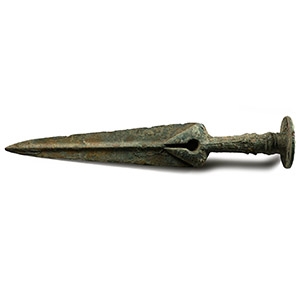
North-Western Luristan Bronze Dagger
Late 2nd-early 1st millennium B.C.Sold for (Inc. bp): £351
The hilt decorated with three ridges set above incised chevrons, guard with round shoulders forming two arms that overlap the blade, cast into a tapering triangular blade with round mid-rib. 505 grams, 33 cm
Acquired 1980-2015. Ex Abelita family collection.
This very rare typology of dagger is related in type with those with crescent guard, while the pommel is related to the daggers with disc pommel. A similar parallel came from Tepe Hissar in North Iran. According to Muscarella, it is highly probable that the daggers with such rare hilt had an origin in an area north of Luristan.
