
Loading, please wait...

LOT 1481
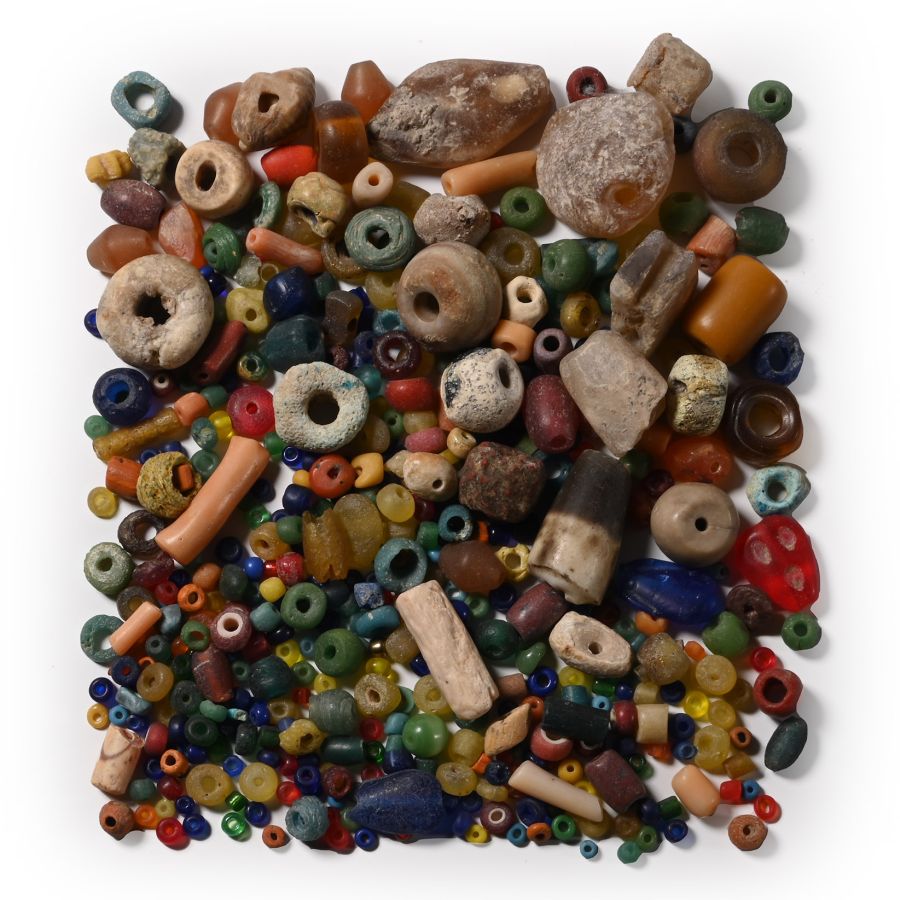
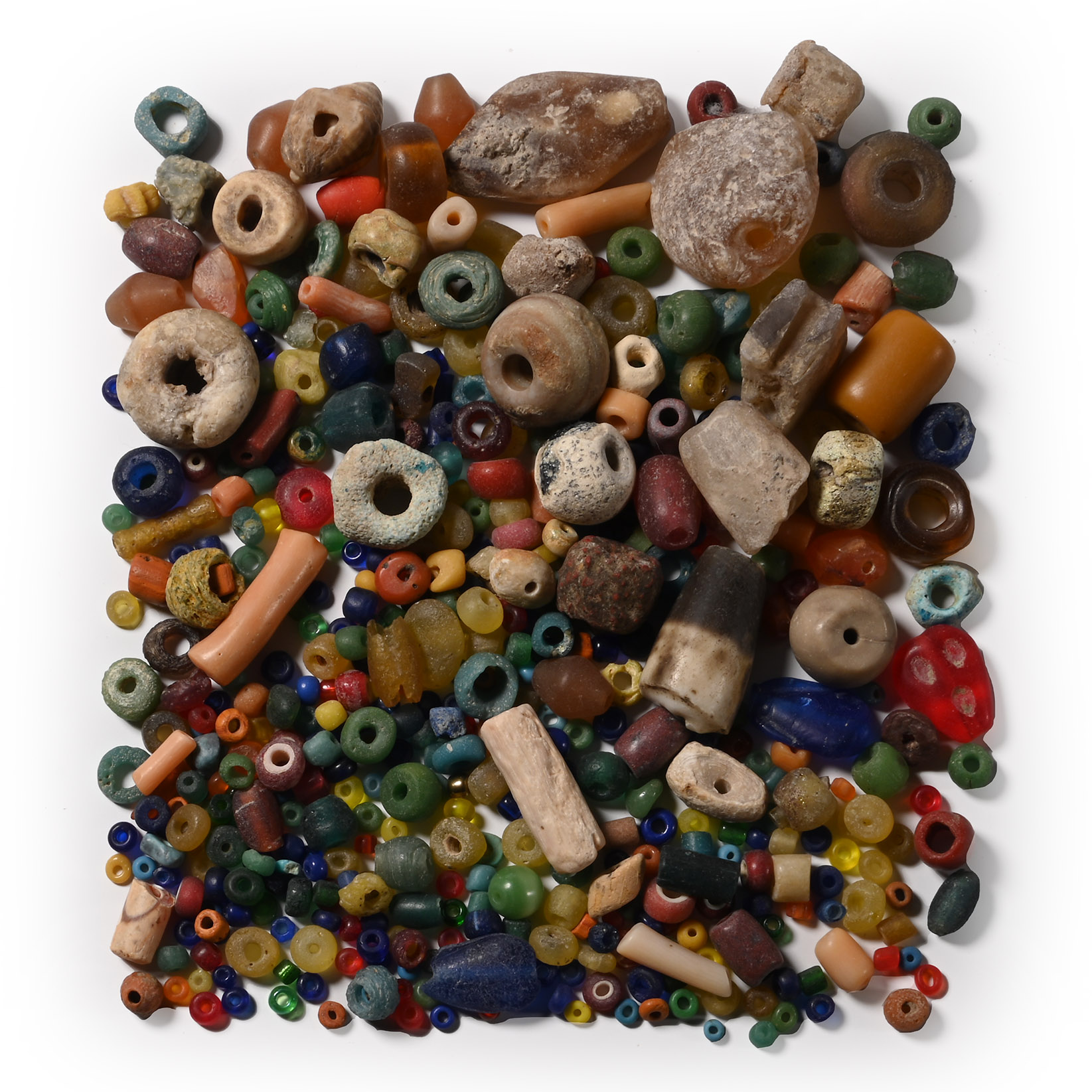
Western Asiatic and Other Mixed Bead Group
1ST MILLENNIUM B.C. AND LATER
1/8 - 7/8 in. (57 grams total, 1-22 cm).
An assorted colourful mix of glass, stone and faience beads. [No Reserve]
ProvenanceEx London, UK, collection, 1990s.
This lot has been cleared against the Art Loss Register database, and is accompanied by an illustrated lot declaration signed by the Head of the Antiquities Department, Dr Raffaele D'Amato.
TimeLine Auctions follows a vetting process to ensure the authenticity and legality of all items, reinforcing our commitment to integrity and responsible trading. Each antiquity, antique, and coin lot undergoes thorough examination by a vetting committee of at least ten external specialists, professional trade association members, scientists, and archaeologists: Our Vetting Process
AUCTIONS:
TimeLine is a leading auction house specialising in antiquities, ancient art, collectables, natural history, coins, medals, and books. Our auctions offer museums, collectors, historians, and enthusiasts the opportunity to acquire unique and historically significant pieces.
-
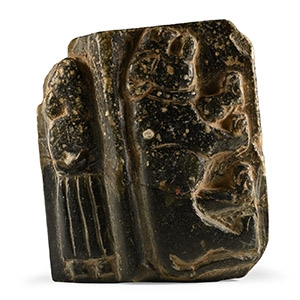
Mesopotamian Black Stone Seal with Lion and Male Figure
2nd-1st millennium B.C.Sold for (Inc. bp): £468
Rectangular in profile with carved detailing; obverse with standing figure in ankle-length robe, bearded head turned; dividing rib beside an advancing lion with mouth open; reverse scene with perching bird and other items; pierced vertically for mounting. 97 grams, 64 mm
Collected from 1970-1999. From the collection of the late Mr S.M., London, UK. This lot has been cleared against the Art Loss Register database, and is accompanied by an illustrated lot declaration signed by the Head of the Antiquities Department, Dr Raffaele D'Amato. -
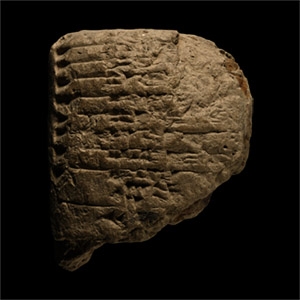
Mesopotamian Cuneiform Tablet Fragment
Early 2nd millennium B.C.Sold for (Inc. bp): £273
Bifacial, pillow-shaped with cuneiform text to both faces; lower end partly absent. 89 grams, 61 mm
Specialised collection of cuneiform texts, the property of a London gentleman and housed in London before 1992. Thence by descent to family members. Examined by Professor Wilfrid George Lambert FBA (1926-2011), historian, archaeologist, and specialist in Assyriology and Near Eastern archaeology, in the late 1980s and early 1990s. This small collection is exceptional for the variety of types, including some very rare and well preserved examples. This lot has been cleared against the Art Loss Register database, and is accompanied by an illustrated lot declaration signed by the Head of the Antiquities Department, Dr Raffaele D'Amato. -
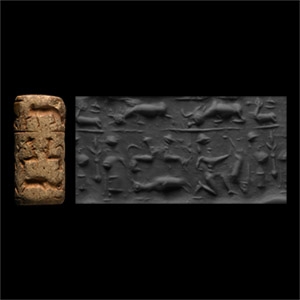
Mitanni Faience Cylinder Seal with Kneeling God and Animals
1500-1200 B.C.Sold for (Inc. bp): £260
Cylinder with cord and bead handles; accompanied by a copy of an old scholarly note, typed and signed by W.G. Lambert, late Professor of Assyriology, University of Birmingham, 1970-1993, which states: 'Cylinder Seal of Faience, Cream, 29 x 14 mm. The area of the design is divided into a smaller upper and a larger lower register. In the upper register are three horned animals, two with their heads down browsing, the third recumbent with its head up. In the lower register there is a kneeling god holding up a dead horned animal by its hind leg; two standing figures (priests) with a stylized tree between them; and two facing sphynxes above a fallen horned animal. This seas belongs to the Mittani common style, c. 1500-1200 B.C., and is one of the better specimens of its type. It probably comes from Syria, though Mitanni seals are found also in Palestine, Anatolia and Northern Mesopotamia. This double register type seems to be restricted to Syria. The tree is a symbol of the storm god, Teshub, but it is not known which god is represented by the horned animal.'; accompanied by a museum-quality impression. 6.44 grams total, 8.1-28.8 mm
UK private collection, acquired 1980-1983. Accompanied by a copy of a scholarly note, typed and signed by Professor Wilfrid George Lambert in August 1990. This lot has been cleared against the Art Loss Register database, and is accompanied by an illustrated lot declaration signed by the Head of the Antiquities Department, Dr Raffaele D'Amato.
