
Loading, please wait...
_900x900.jpg "Western Asiatic Amethyst Scaraboid with Animal and Aramaic Inscription")
_200x200.jpg "Western Asiatic Amethyst Scaraboid with Animal and Aramaic Inscription")
.jpg "Western Asiatic Amethyst Scaraboid with Animal and Aramaic Inscription")
LOT 0245
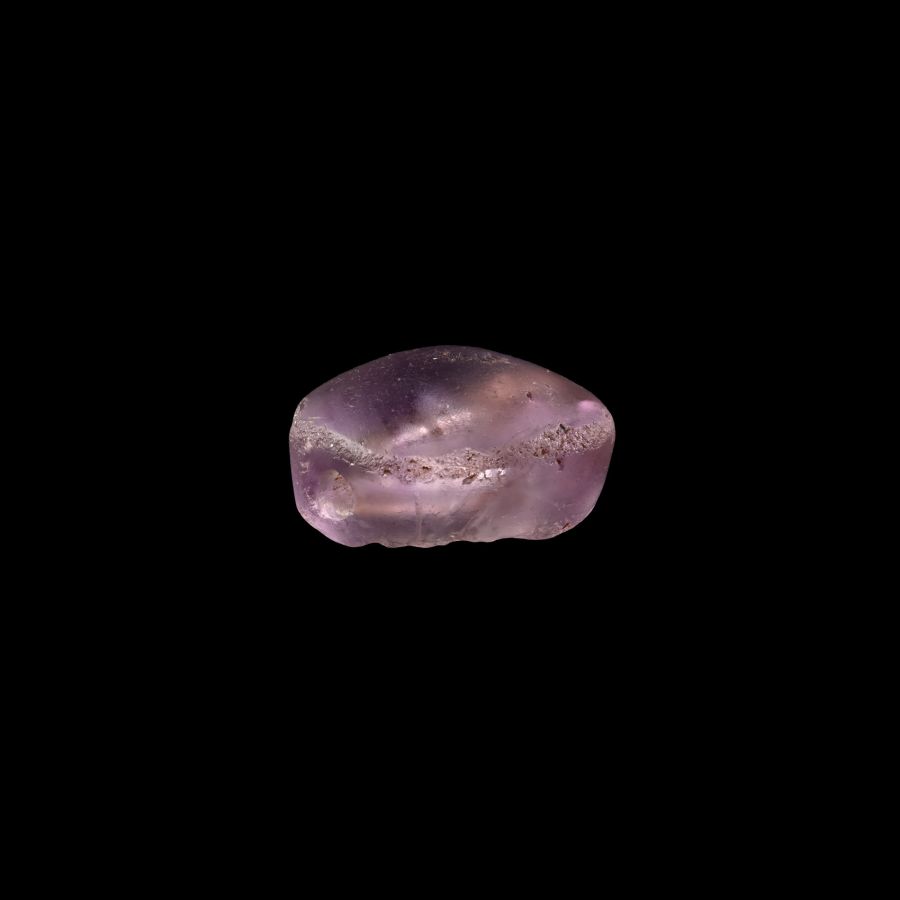
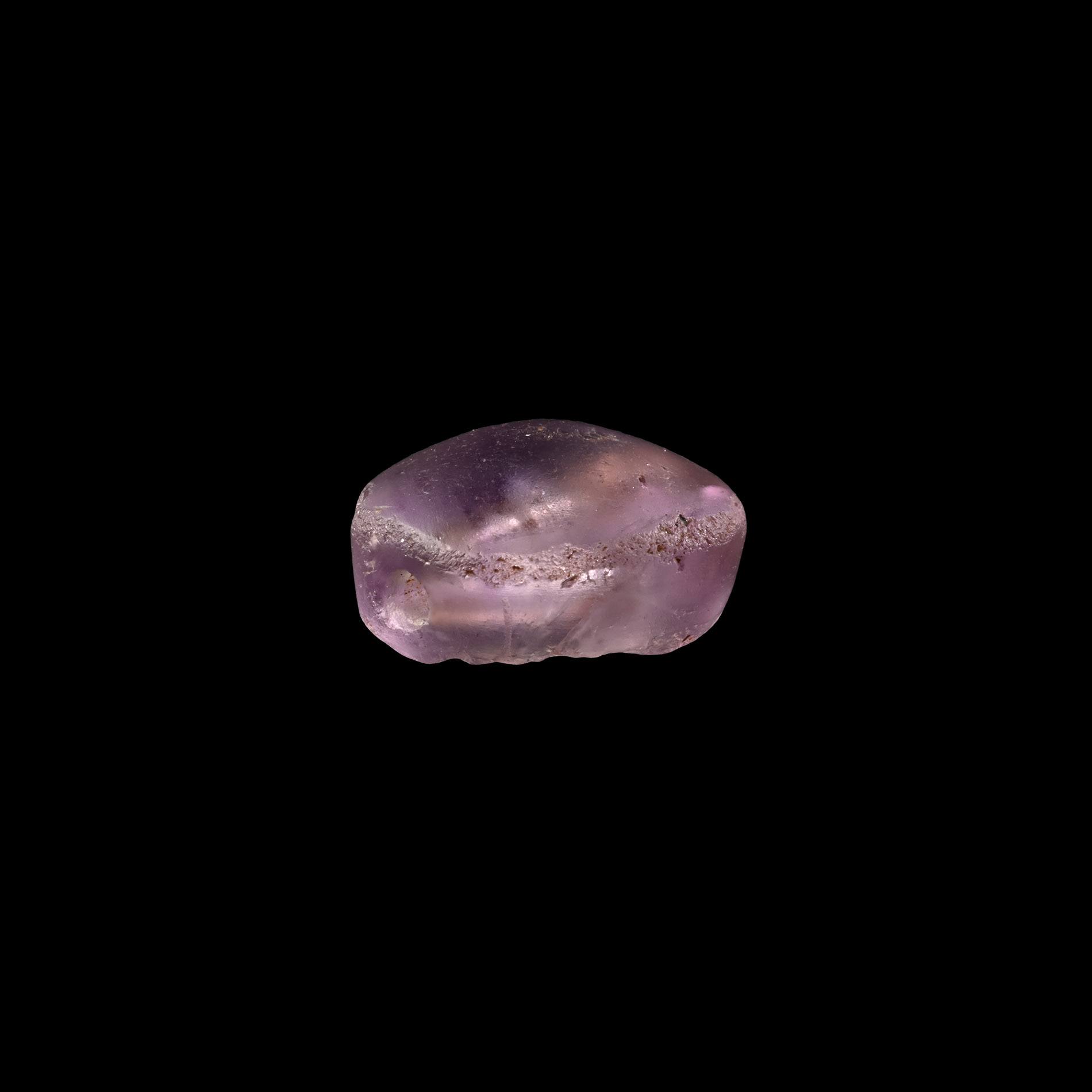
Western Asiatic Amethyst Scaraboid with Animal and Aramaic Inscription
MID 1ST MILLENNIUM B.C.
1/2 in. (1.59 grams, 13 mm).
With plain domed upper face, incuse design to the underside of a horse's head and four Aramaic characters.
ProvenanceFrom the private collection of the late Mr S.M., London, UK, 1969-1999; thence by descent.
LiteratureCf. similar in the collection of the British Museum under accession no.126388.
CONDITIONTimeLine Auctions follows a vetting process to ensure the authenticity and legality of all items, reinforcing our commitment to integrity and responsible trading. Each antiquity, antique, and coin lot undergoes thorough examination by a vetting committee of at least ten external specialists, professional trade association members, scientists, and archaeologists: Our Vetting Process
AUCTIONS:
TimeLine is a leading auction house specialising in antiquities, ancient art, collectables, natural history, coins, medals, and books. Our auctions offer museums, collectors, historians, and enthusiasts the opportunity to acquire unique and historically significant pieces.
LOT 0245
Western Asiatic Amethyst Scaraboid with Animal and Aramaic Inscription
Estimate £500 - 700€580 - 810 (for guidance only)$680 - 950 (for guidance only)
-
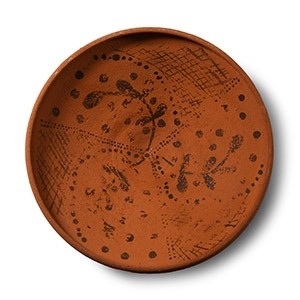
Nabataean Redware Dish with Painted Foliage
1st century B.C.-1st century A.D.Sold for (Inc. bp): £468
Squat dish with conical profile, low flange rim with carination; finely detailed painted foliage and reticulation to the inner face; very rare. 106 grams, 15 cm wide
From the important family collection of the late M.N., pre 1992. -
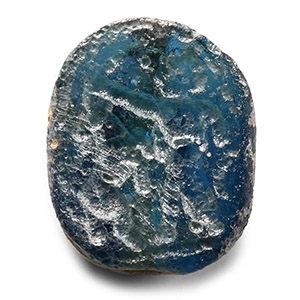
Babylonian Glass Stamp Seal with Man and Lion
1st millennium B.C.Estimate: £300 - 400 (+bp*)
Opening Bid: £75
Of translucent blue glass with iridescent surfaces; pierced for suspension. 2.4 grams, 16 mm
Collected from 1969-1999. From the collection of the late Mr S.M., London, UK. -
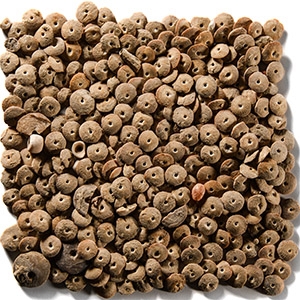
Mesopotamian Stone Disc Necklace Bead Group
Circa 4th millennium B.C.Sold for (Inc. bp): £39
Comprising a quantity of small, mostly disc-shaped beads, in pale alabaster; each pierced for stringing. 60 grams total, 3-13 mm
UK gallery, early 2000s.
