
Loading, please wait...
LOT 0298
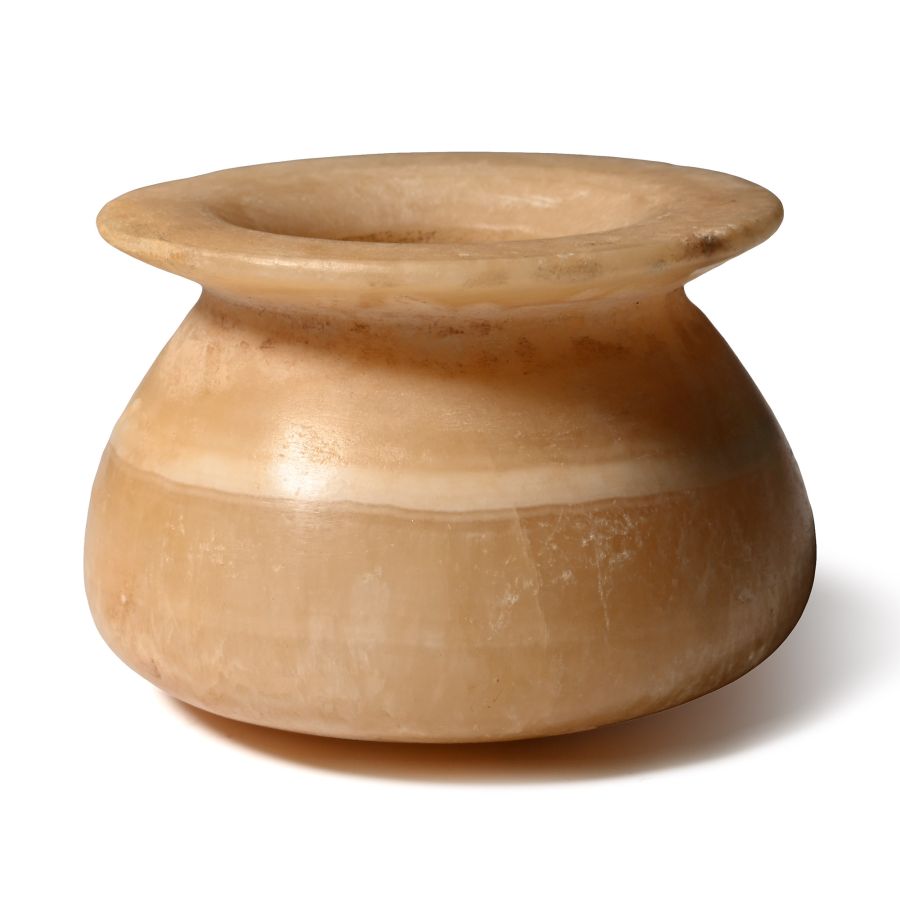
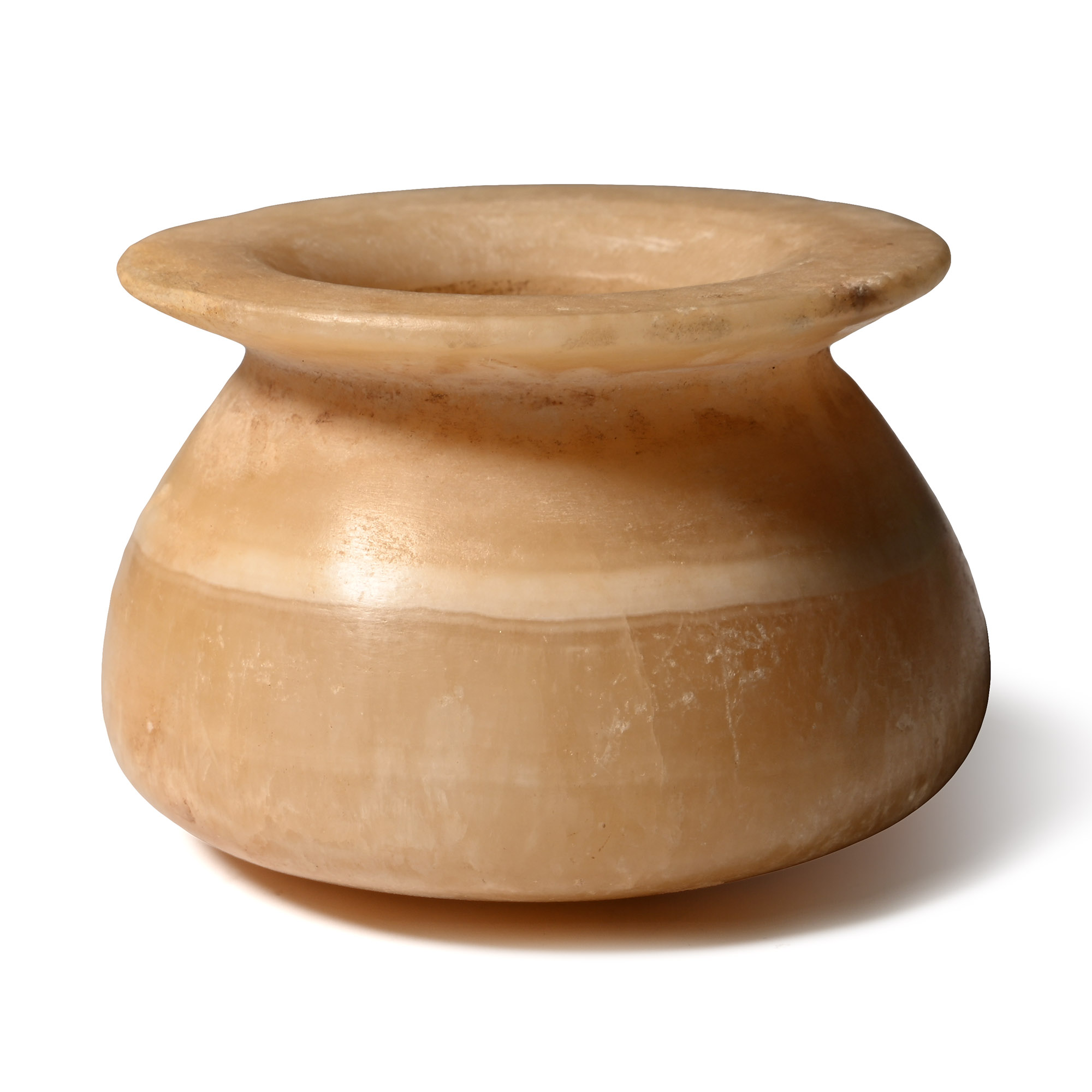
Western Asiatic Alabaster Vessel
CIRCA 500-400 B.C.
2 3/8 in. (150 grams, 60 mm).
Squat, 'bag' shaped vessel with flared rim and flat base.
ProvenancePrivate collection, 1990s-early 2000s.
CONDITIONTimeLine Auctions follows a vetting process to ensure the authenticity and legality of all items, reinforcing our commitment to integrity and responsible trading. Each antiquity, antique, and coin lot undergoes thorough examination by a vetting committee of at least ten external specialists, professional trade association members, scientists, and archaeologists: Our Vetting Process
AUCTIONS:
TimeLine is a leading auction house specialising in antiquities, ancient art, collectables, natural history, coins, medals, and books. Our auctions offer museums, collectors, historians, and enthusiasts the opportunity to acquire unique and historically significant pieces.
LOT 0298
Western Asiatic Alabaster Vessel
Estimate £400 - 600€460 - 700 (for guidance only)$540 - 810 (for guidance only)
-
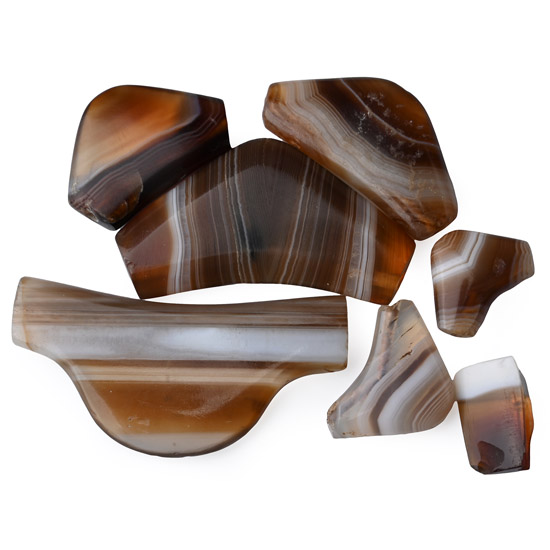
Western Asiatic Banded Agate Elbow Bead Collection
1st millennium B.C.Sold for (Inc. bp): £390
Comprising six translucent elbow beads and one triangular-section bead fragment. 12.74 grams total, 13.37-36.33 mm
From the private collection of a European gentleman (1942-2024), formed since the 1970s. -
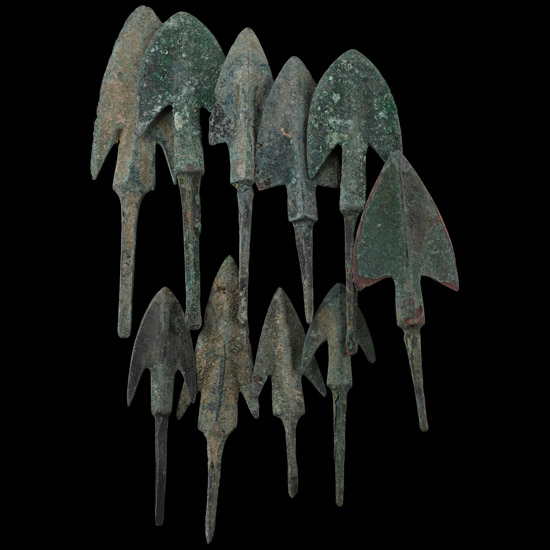
Western Asiatic Bronze Arrowhead Collection
11th-10th century B.C.Sold for (Inc. bp): £182
Comprising ten tanged arrowheads, most with barbed shoulders. 103 grams total, 58-88 mm
London, UK, collection, 1990s.
The majority of the arrowheads belong to type IV of the Khorasani classification. They look like a stylised flying bird, such as a swallow. -
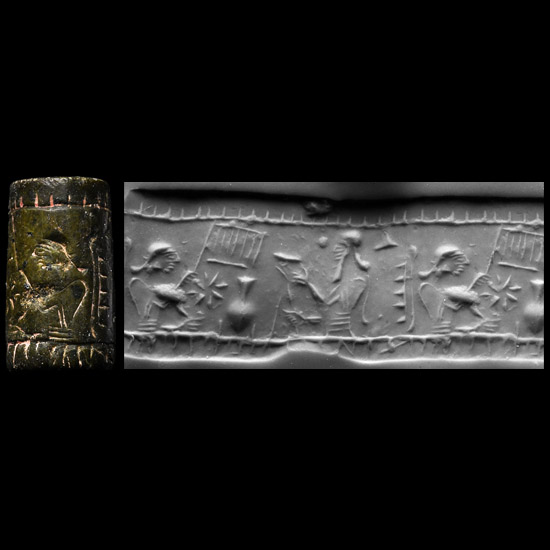
Western Asiatic Black Stone Cylinder Seal with Court Scene
2nd-1st millennium B.C.Sold for (Inc. bp): £338
Frieze depicting a court scene with seated figure in profile holding a dish towards a kneeling figure, with vase, gate and starburst between; supplied with a museum-quality impression. 7.34 grams, 23.74 mm
From the private collection of a European gentleman (1942-2024), formed since the 1970s.
