
Loading, please wait...
LOT 1514
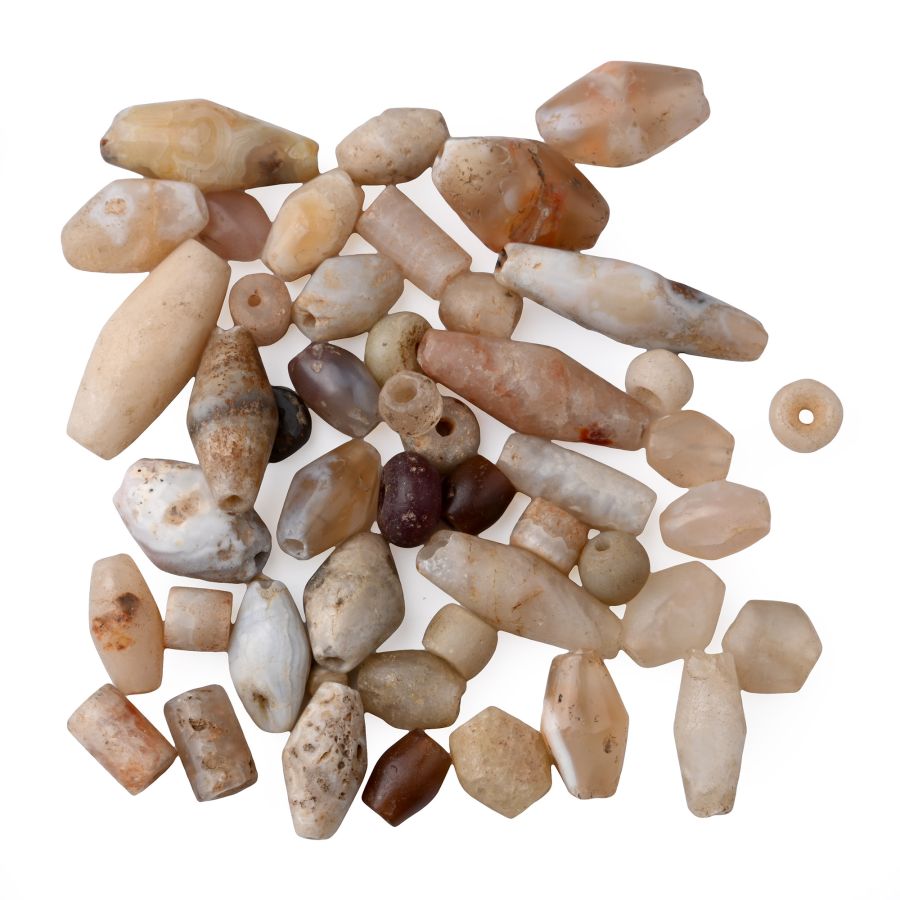
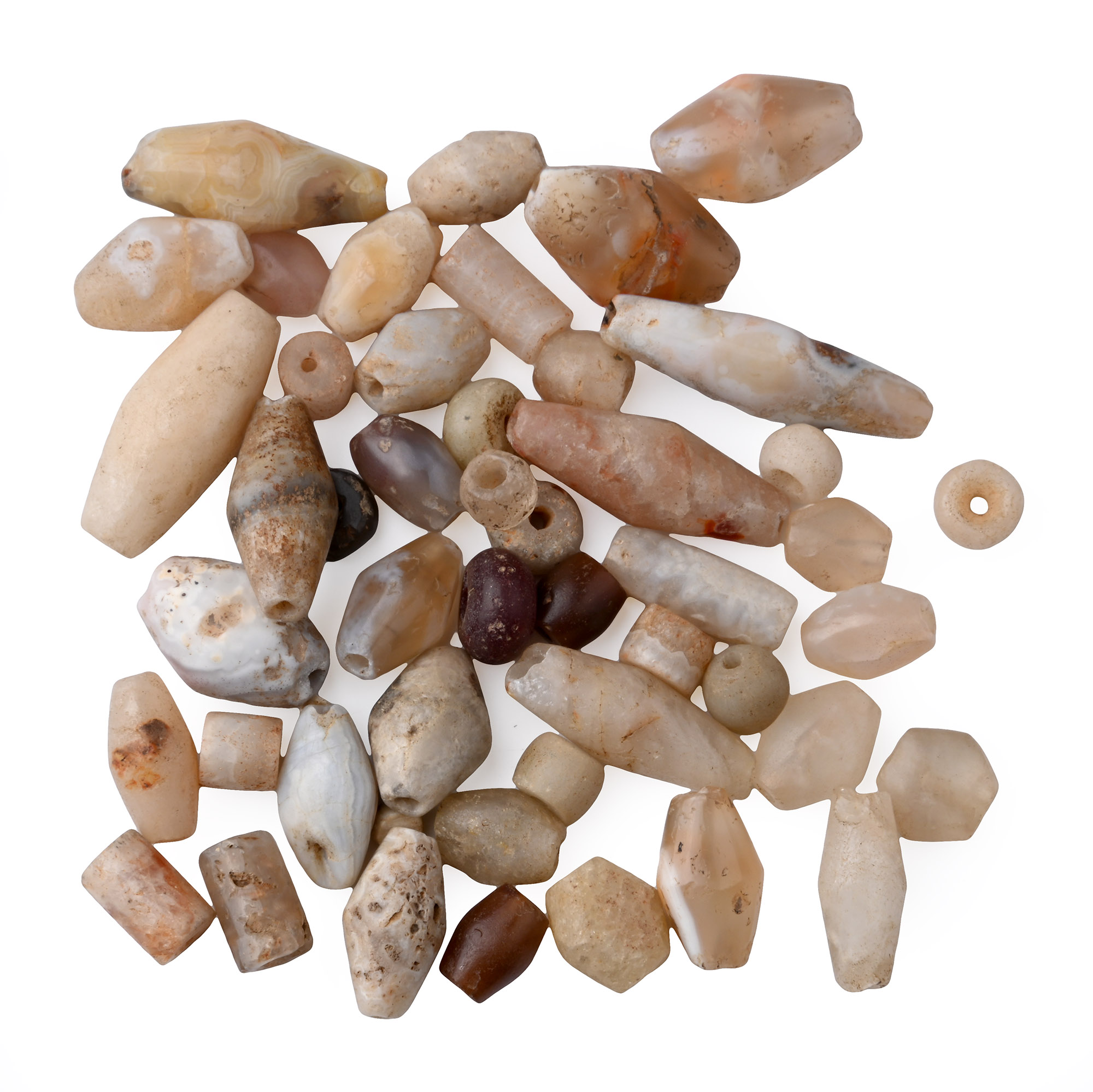
Western Asiatic Agate Bead Collection
1ST MILLENNIUM B.C.
Largest: 1 1/8 in. (54.56 grams total, 2.62-29.14 mm).
Comprising mainly biconical and tubular beads in various sizes. [49, No Reserve]
ProvenanceFrom the private collection of a European gentleman (1942-2024), formed since the 1970s.
CONDITIONTimeLine Auctions follows a vetting process to ensure the authenticity and legality of all items, reinforcing our commitment to integrity and responsible trading. Each antiquity, antique, and coin lot undergoes thorough examination by a vetting committee of at least ten external specialists, professional trade association members, scientists, and archaeologists: Our Vetting Process
AUCTIONS:
TimeLine is a leading auction house specialising in antiquities, ancient art, collectables, natural history, coins, medals, and books. Our auctions offer museums, collectors, historians, and enthusiasts the opportunity to acquire unique and historically significant pieces.
-
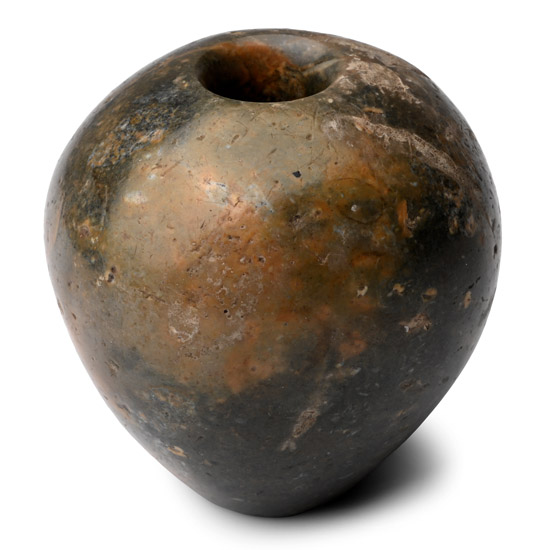
Mesopotamian Carved Stone Macehead
3rd-2nd millennium B.C.Estimate: £250 - 350 (+bp*)
Opening Bid: £125
Ovoid in form with a circular socket. 232 grams, 59 mm
Acquired in the late 1980s-early 1990s. Private collection, London. -
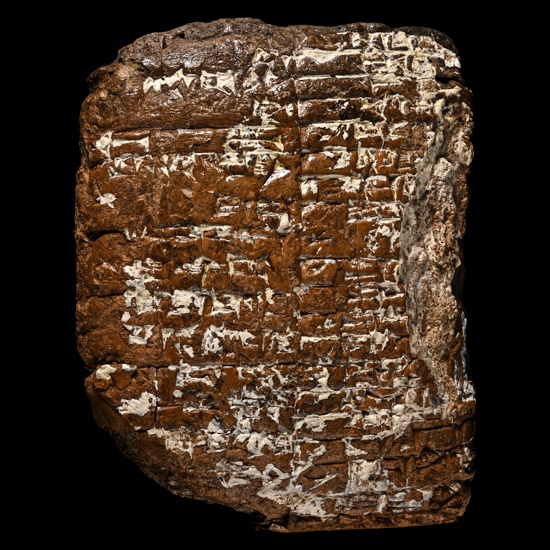
Sumerian Terracotta Cuneiform Tablet
2nd-1st millennium B.C.Sold for (Inc. bp): £182
Pillow-shaped terracotta tablet with cuneiform text in grid on upper face. 177 grams, 10.20 cm
From the private collection of the late Mr W. Magee, Hartlepool, County Durham, UK, 1960s-1990s, thence by descent. Accompanied by a previous cataloguing information card. -
.jpg)
Western Asiatic Bronze Statuette of a Horned Demon
1st millennium B.C.Sold for (Inc. bp): £221
Columnar in form with stub to base, arms bent, bearded face surmounted by a conical cap with lateral lugs. 43.4 grams, 87.5 mm
From the private collection of a European gentleman (1942-2024), formed since the 1970s.
