
Loading, please wait...
LOT 0528
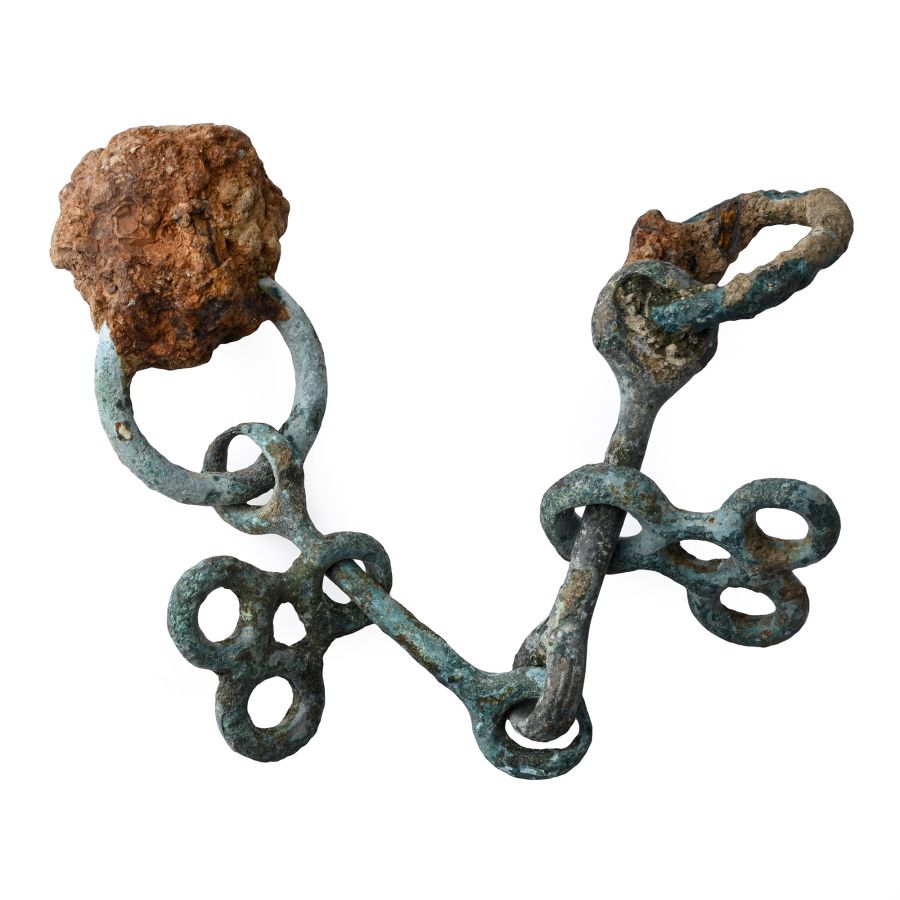
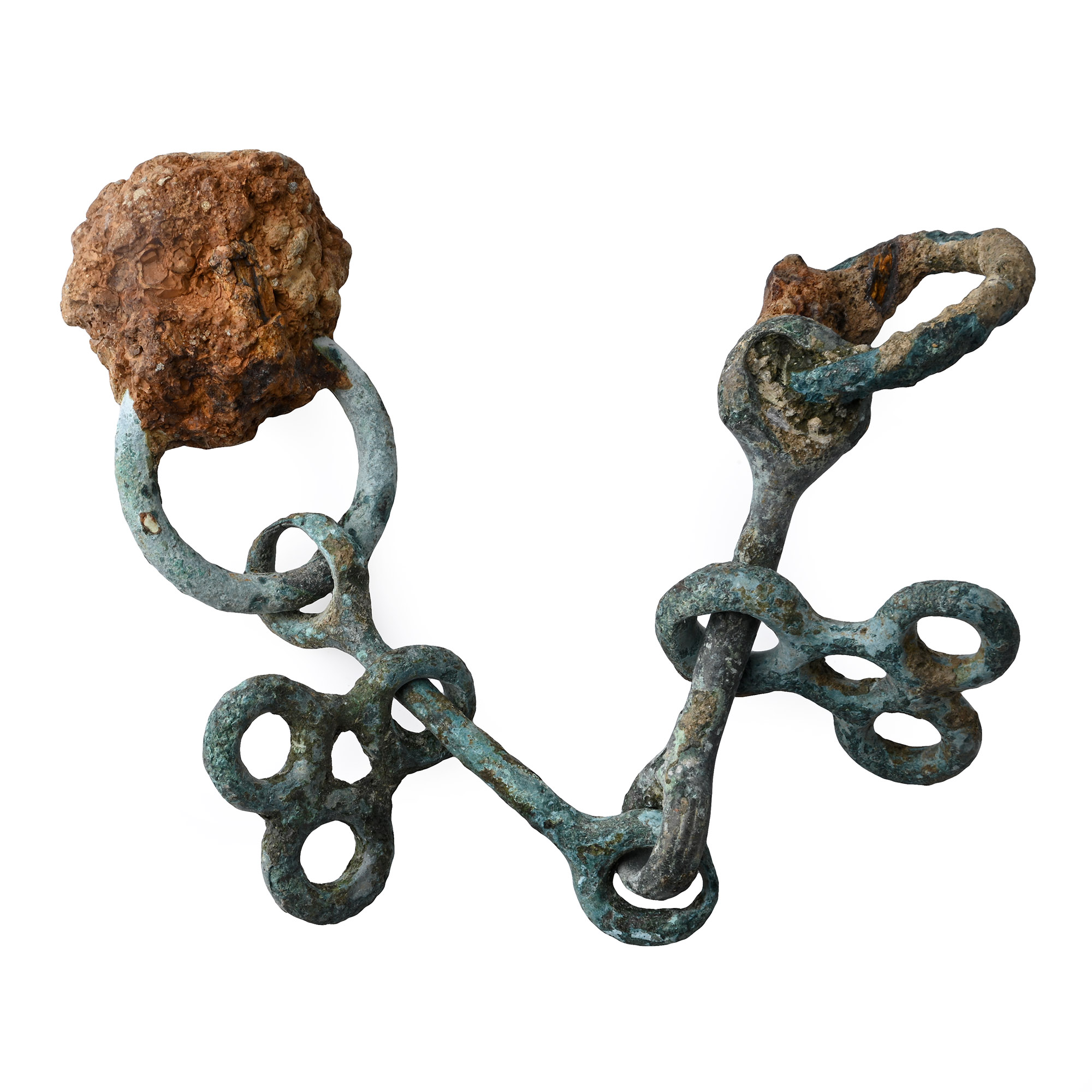
Villanovan Bronze Horse Bit
IRON AGE, CIRCA 8TH CENTURY B.C.
10 1/2 in. (280 grams, 26.9 cm).
A snaffle bit with a loop at each outer end with ferrous remains and a three-lobed strap junction attached to the straight mouth bars. [No Reserve]
ProvenanceFrom the private collection of a European gentleman (1942-2024), formed since the 1970s.
CONDITIONTimeLine Auctions follows a vetting process to ensure the authenticity and legality of all items, reinforcing our commitment to integrity and responsible trading. Each antiquity, antique, and coin lot undergoes thorough examination by a vetting committee of at least ten external specialists, professional trade association members, scientists, and archaeologists: Our Vetting Process
AUCTIONS:
TimeLine is a leading auction house specialising in antiquities, ancient art, collectables, natural history, coins, medals, and books. Our auctions offer museums, collectors, historians, and enthusiasts the opportunity to acquire unique and historically significant pieces.
-
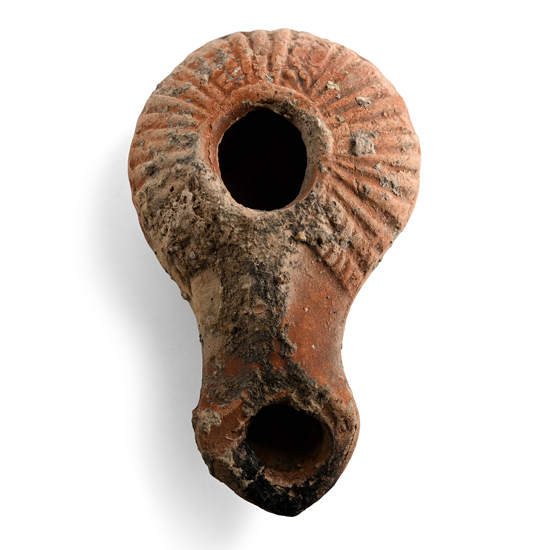
Greek Terracotta Oil Lamp
Hellenistic, late 2nd-1st century B.C.Sold for (Inc. bp): £78
Piriform body with volute nozzle, radiating linear decoration to the shoulder. 38.5 grams, 89 mm
From a collection of lamps from a late Scottish gentleman, 1970-1990s. -
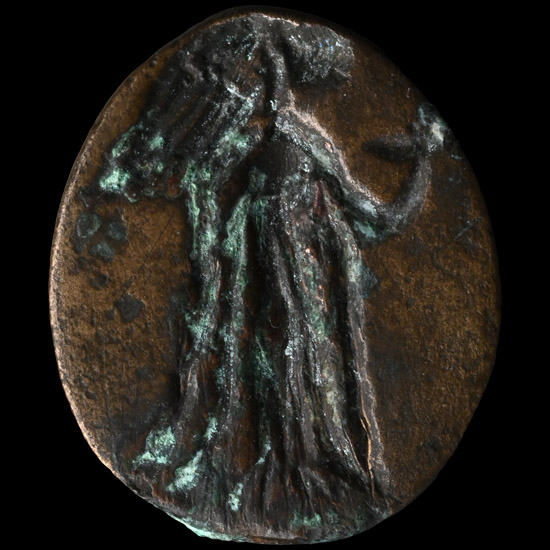
Greek Bronze Signet Ring Bezel with Goddess
Hellenistic, 2nd-1st century B.C.Sold for (Inc. bp): £65
Ellipsoid in plan with remains of the hoop to the underside at each end, intaglio standing winged figure with one arm raised. 3.3 grams, 19 mm
From the collection of a gentleman, acquired on the London art market in the 1990s. -
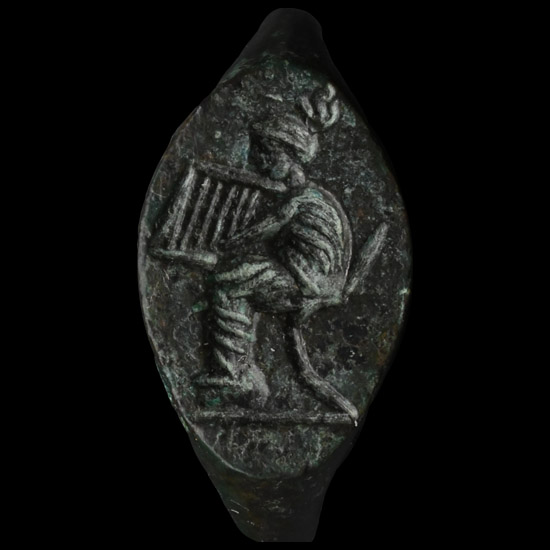
Greek Bronze Ring with Musician
3rd-2nd century B.C.Sold for (Inc. bp): £247
Comprising a slender hoop and a lentoid bezel with a seated figure playing the panpipes. 2.90 grams, 19.84 mm overall, 16.99 x 15.68 mm internal diameter (approximate size British L, USA 5 3/4, Europe 11.24, Japan 10)
Ex German art market, 2000s. Acquired from an EU collector living in London. From the collection of a Surrey, UK, gentleman.
