
Loading, please wait...
LOT 1527
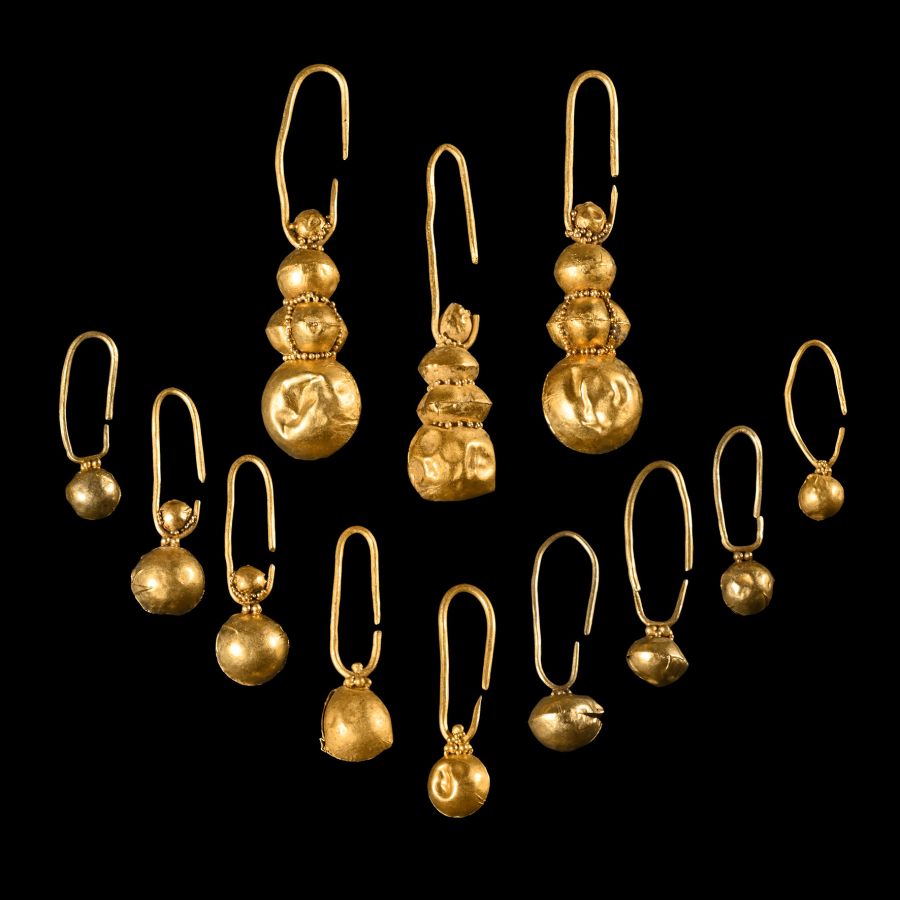
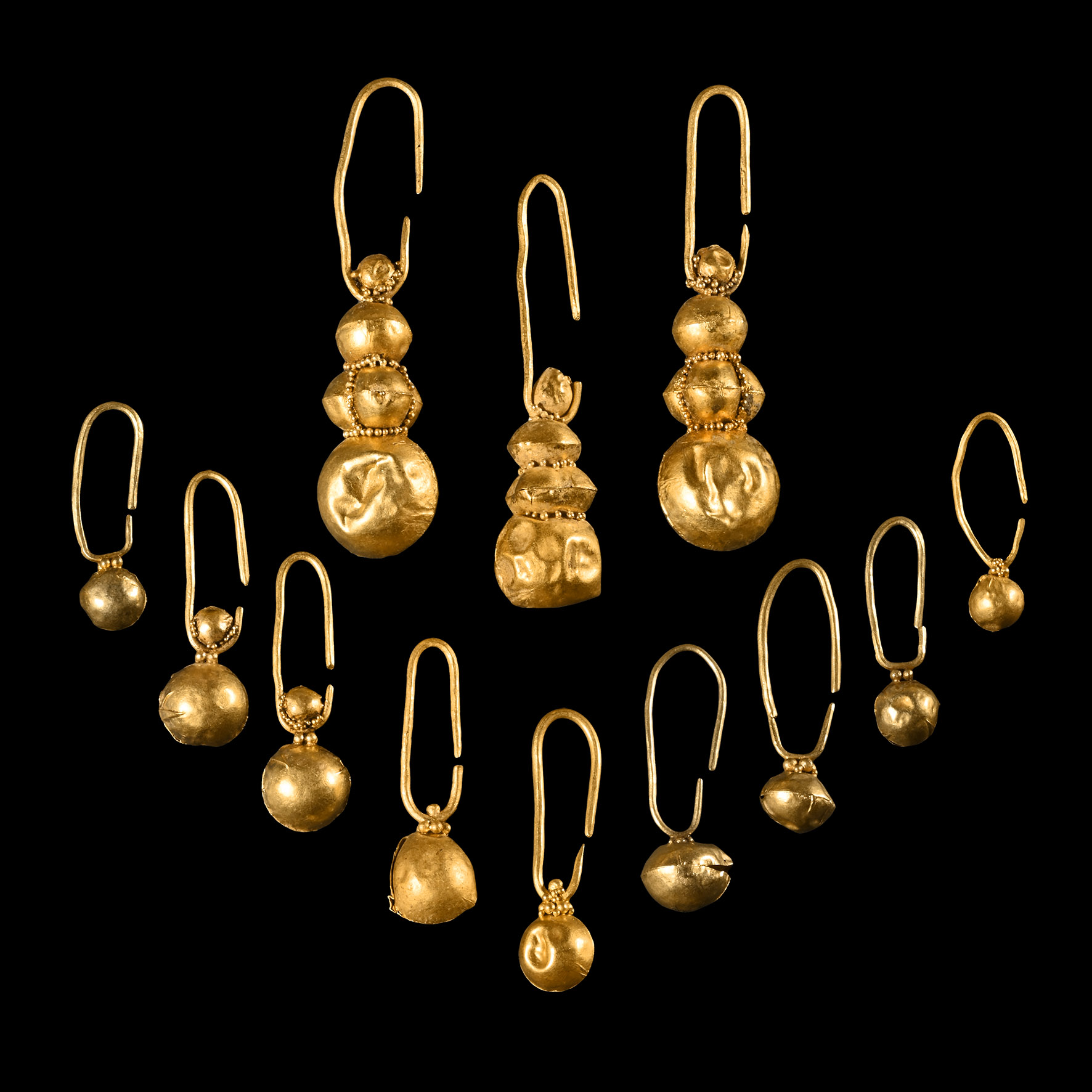
Viking Style Gold Earring Group
20TH CENTURY A.D. OR EARLIER
3/4 - 2 in. (14 grams total, 22-49 mm).
Comprising earrings with decorative bulbs and granules, including at least five pairs. [12, No Reserve]
ProvenanceFrom the collection of a North American gentleman, formed in the 1990s.
CONDITIONTimeLine Auctions follows a vetting process to ensure the authenticity and legality of all items, reinforcing our commitment to integrity and responsible trading. Each antiquity, antique, and coin lot undergoes thorough examination by a vetting committee of at least ten external specialists, professional trade association members, scientists, and archaeologists: Our Vetting Process
AUCTIONS:
TimeLine is a leading auction house specialising in antiquities, ancient art, collectables, natural history, coins, medals, and books. Our auctions offer museums, collectors, historians, and enthusiasts the opportunity to acquire unique and historically significant pieces.
-
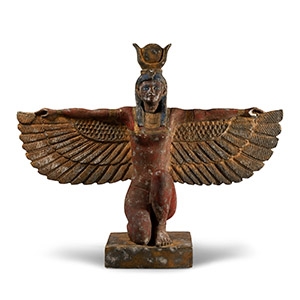
Large Egyptian Revival Painted Stone Statue
20th century A.D.Sold for (Inc. bp): £442
A substantial decorative designer figurine of Hathor crouching on a rectangular base with sun-disc headdress, splayed wings beneath her outstretched arms, tight-fitting ankle-length robe; after the antique. 15.6 kg, 64.5 cm wide
From a French collection, Paris. Ex Parisian gallery, France; latterly with a London, UK, gallery. -
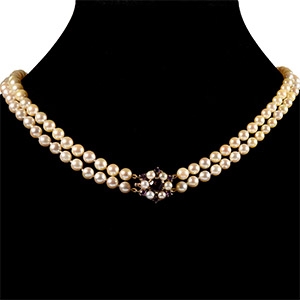
Vintage Cultured Pearl Necklace with Gold, Amethyst and Pearl Clasp
Circa 1950s A.D.Sold for (Inc. bp): £286
In two graduated swags with hexagonal floral clasp set with large central table-cut amethyst, six pearls and six small amethyst studs; both parts of the clasp marked '9CT'. 64.01 grams, 51 cm long
Property of an Essex, UK, gentleman. -
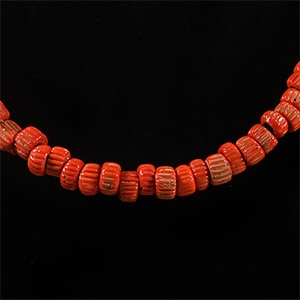
Post Medieval or Later Red Glass Bead Necklace String
19th-20th century A.D.Sold for (Inc. bp): £16
Comprising vibrant irregular red glass oblate beads. 73 grams, 54 cm long
UK gallery, early 2000s.
