
Loading, please wait...
LOT 2063
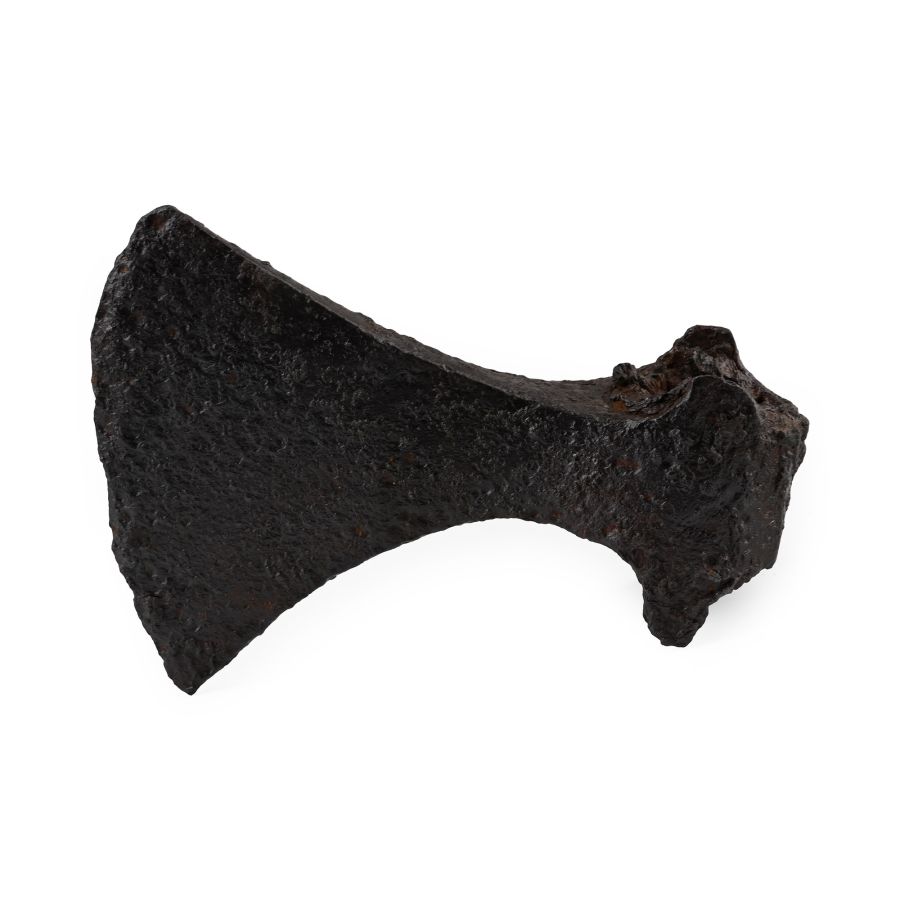
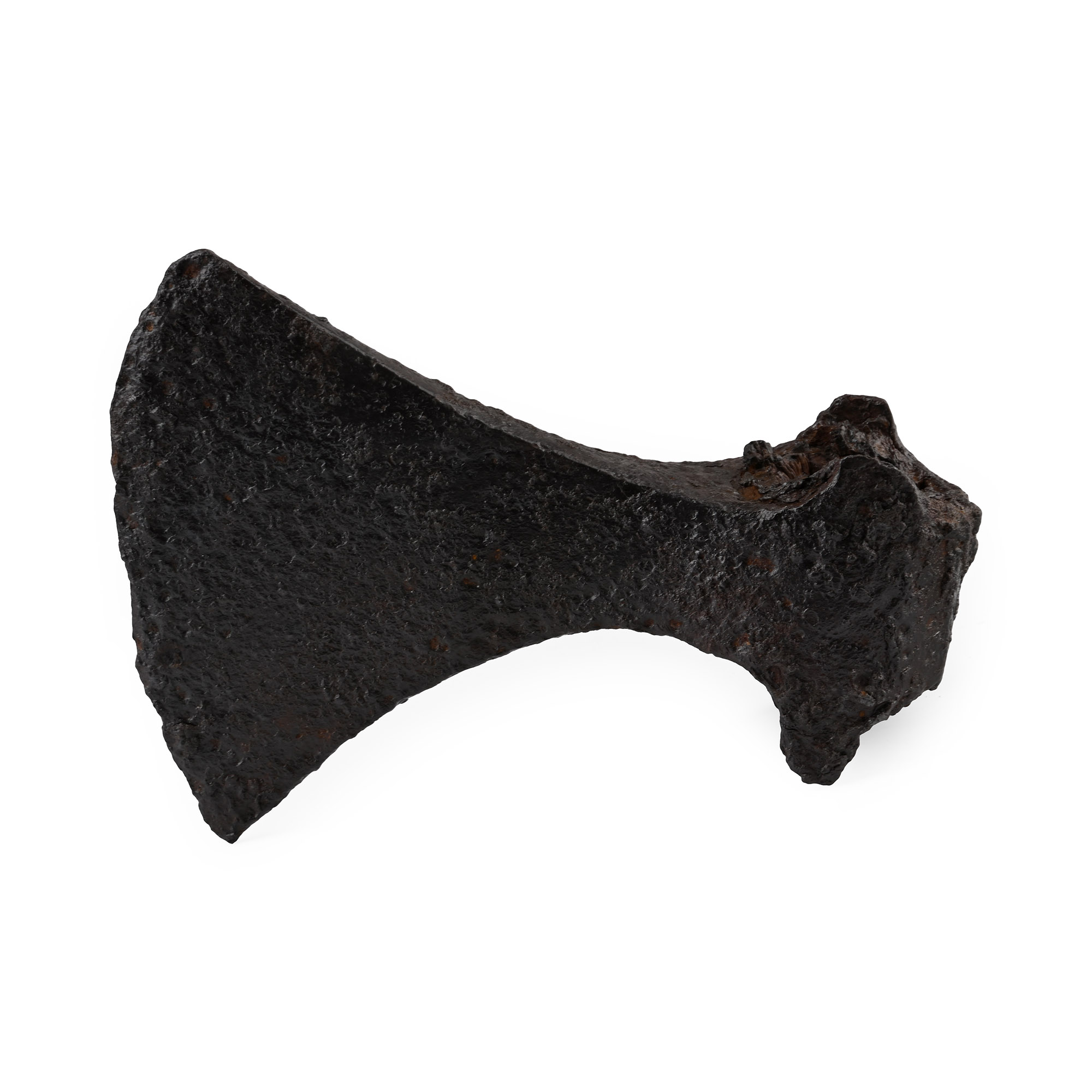
Viking Iron Broad Axehead
9TH-11TH CENTURY A.D.
6 1/8 in. (670 grams, 15.5 cm).
With rectangular spurs above and below the curved socket, a medium-broad flaring triangular-section blade extending to a curved edge; remains of the original wooden shaft inside the socket. [No Reserve]
ProvenanceFrom the private collection of a London gentleman, from his grandfather's collection formed before the early 1970s.
LiteratureCf. Williams, G., Pentz, P. & Wemhoff, M., Vikings Life and Legend, London, 2014, item 25, p.90, a similar axe from a male burial in Hellvi (Gotland, grave 222B).
CONDITIONTimeLine Auctions follows a vetting process to ensure the authenticity and legality of all items, reinforcing our commitment to integrity and responsible trading. Each antiquity, antique, and coin lot undergoes thorough examination by a vetting committee of at least ten external specialists, professional trade association members, scientists, and archaeologists: Our Vetting Process
AUCTIONS:
TimeLine is a leading auction house specialising in antiquities, ancient art, collectables, natural history, coins, medals, and books. Our auctions offer museums, collectors, historians, and enthusiasts the opportunity to acquire unique and historically significant pieces.
-
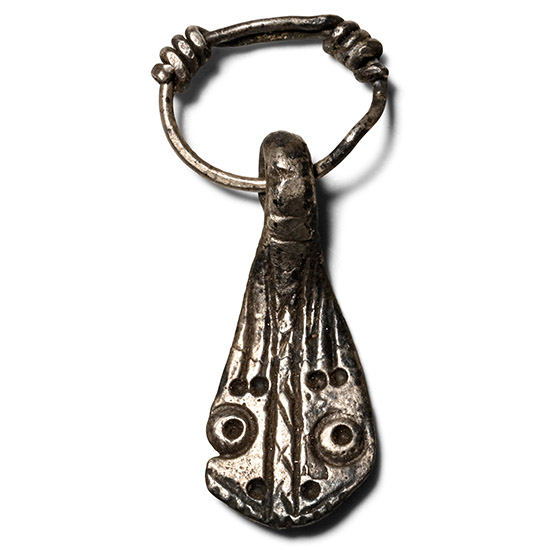
Viking Age Silver Duck Foot Pendant
Circa 9th-11th century A.D.Sold for (Inc. bp): £169
Silver ovoid pendant with incised duck-foot detailing, mounted on a wire suspension ring. 1.63 grams, 31 mm
Ex German art market, 2000s. Acquired from an EU collector living in London. From the collection of a Surrey, UK, gentleman. -
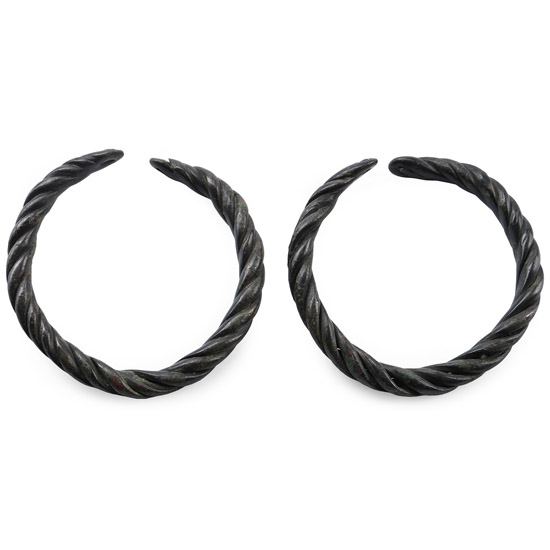
Viking Age Twisted Bar Bracelet Pair
Circa 9th-11th century A.D.Sold for (Inc. bp): £715
Matched pair of penannular bracelets, formed of twisted round-section bars with looped terminals. 78.74 grams total, 60.81 - 61.64 mm
From the private collection of a London gentleman, from his grandfather's collection formed before the early 1970s. -
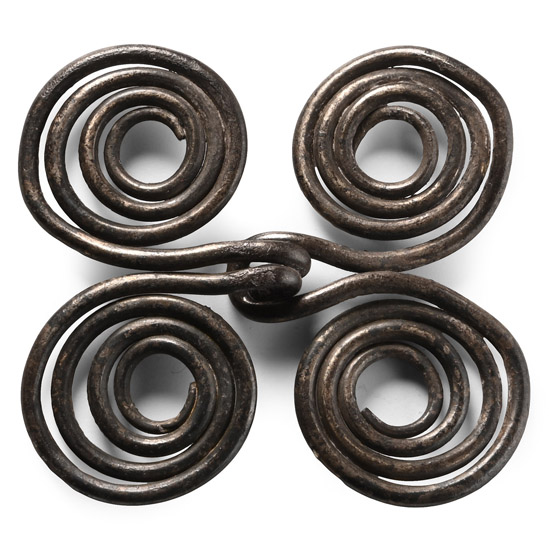
Scandinavian Pre-Viking Silver Wrist Clasp Pair
5th century A.D.Sold for (Inc. bp): £169
Spiral-coiled wrist-clasps of Hines's Class A with one broad rounded loop to the centre and one returned hooked loop. 11.5 grams total, 36-38 mm
Ex property of a gentleman; acquired in the 1970s.
The spiral-coil type of wrist clasp is the earliest form of an artefact type which became a very popular costume element in especially Norway and the English East Midlands in the early Anglo-Saxon Period. Grave-finds indicate that they were used to secure the cuffs of robes worn by high-status women.
