
Loading, please wait...
LOT 1346
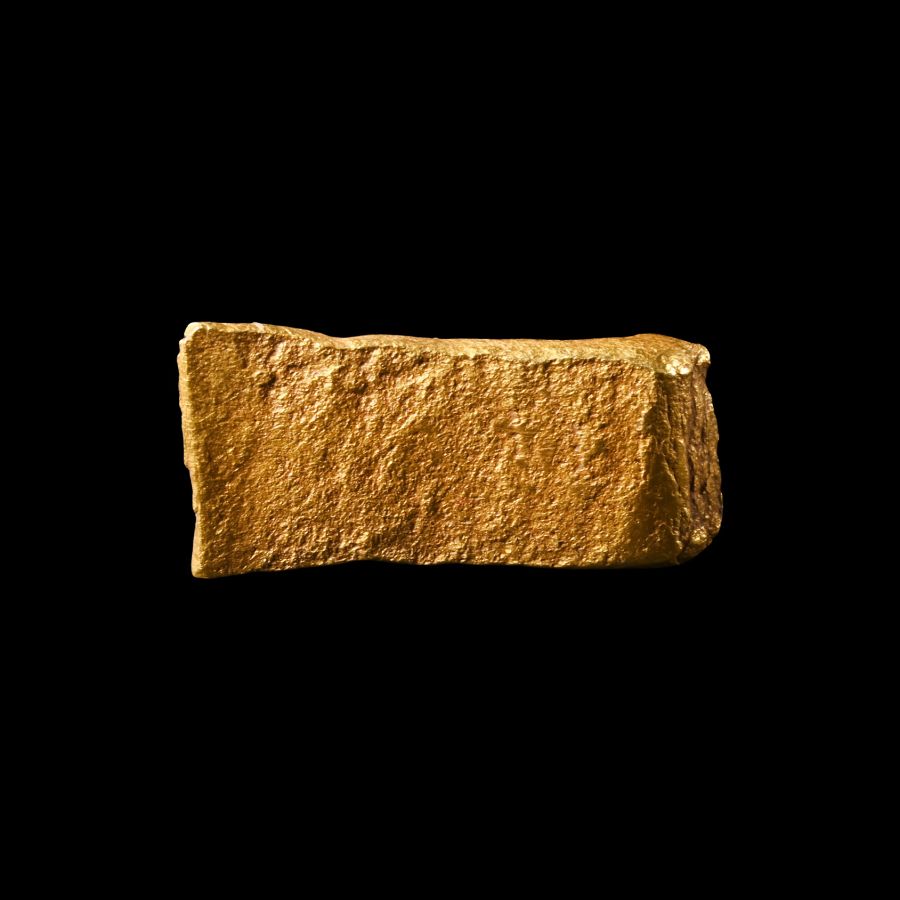
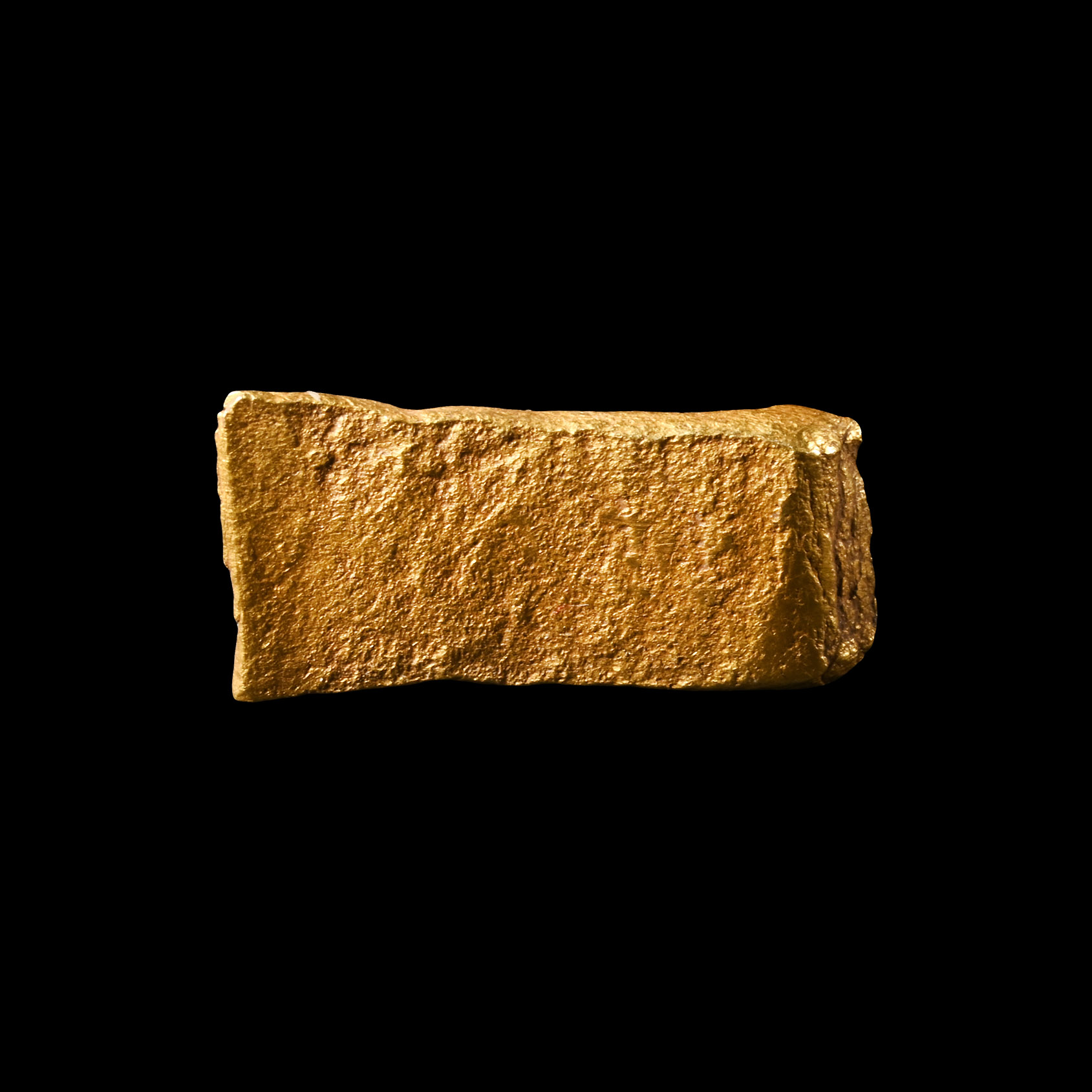
Viking Age Traded Hacked Gold Bar Section
9TH-11TH CENTURY A.D.
1/2 in. (1.42 grams, 14 mm).
The rectangular bar with a cut at each end. [No Reserve]
ProvenanceAcquired on the UK art market.
Property of a Somerset collector, UK, since at least the early 2000s.
TimeLine Auctions follows a vetting process to ensure the authenticity and legality of all items, reinforcing our commitment to integrity and responsible trading. Each antiquity, antique, and coin lot undergoes thorough examination by a vetting committee of at least ten external specialists, professional trade association members, scientists, and archaeologists: Our Vetting Process
AUCTIONS:
TimeLine is a leading auction house specialising in antiquities, ancient art, collectables, natural history, coins, medals, and books. Our auctions offer museums, collectors, historians, and enthusiasts the opportunity to acquire unique and historically significant pieces.
-
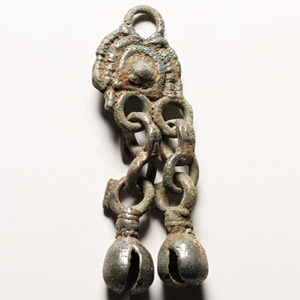
Viking Age Bronze Pendant with Bell Drops
Circa 8th-10th century A.D.Sold for (Inc. bp): £33
The semi-circular head plate with suspension loop and two remaining loops to lower edge, both suspending chains with bell dangles (rattles absent). 21.1 grams, 64 mm
Acquired on the UK art market. Property of a Ruislip, UK, gentleman, by inheritance. -
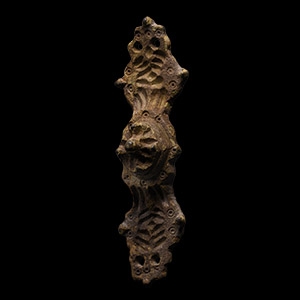
Viking Age Bronze Equal-Arm Brooch
Circa 11th century A.D.Sold for (Inc. bp): £59
With projecting centre and shaped arms pierced twice, displaying a central cruciform design and zoomorphs to the arms; remains of catchplate to reverse. 20.9 grams, 70 mm
From the collection of a North American gentleman, formed in the 1990s. -
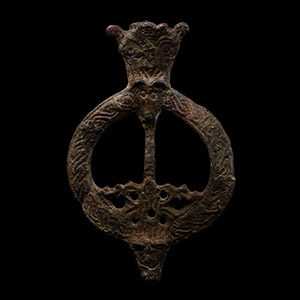
Viking Age Bronze Pseudo Ring Brooch
9th-11th century A.D.Sold for (Inc. bp): £169
Featuring beast heads and interlace motifs; pin lugs and catchplate to reverse. 29.4 grams, 76 mm
From the collection of a North American gentleman, formed in the 1990s.
