
Loading, please wait...
LOT 1256
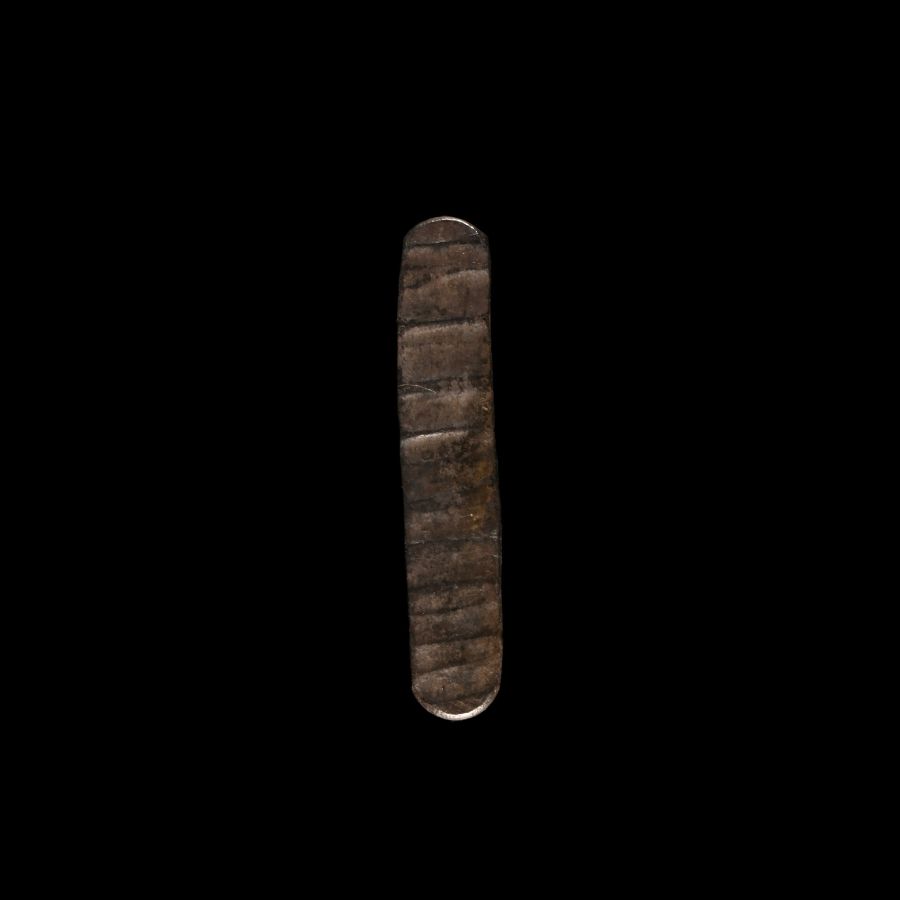
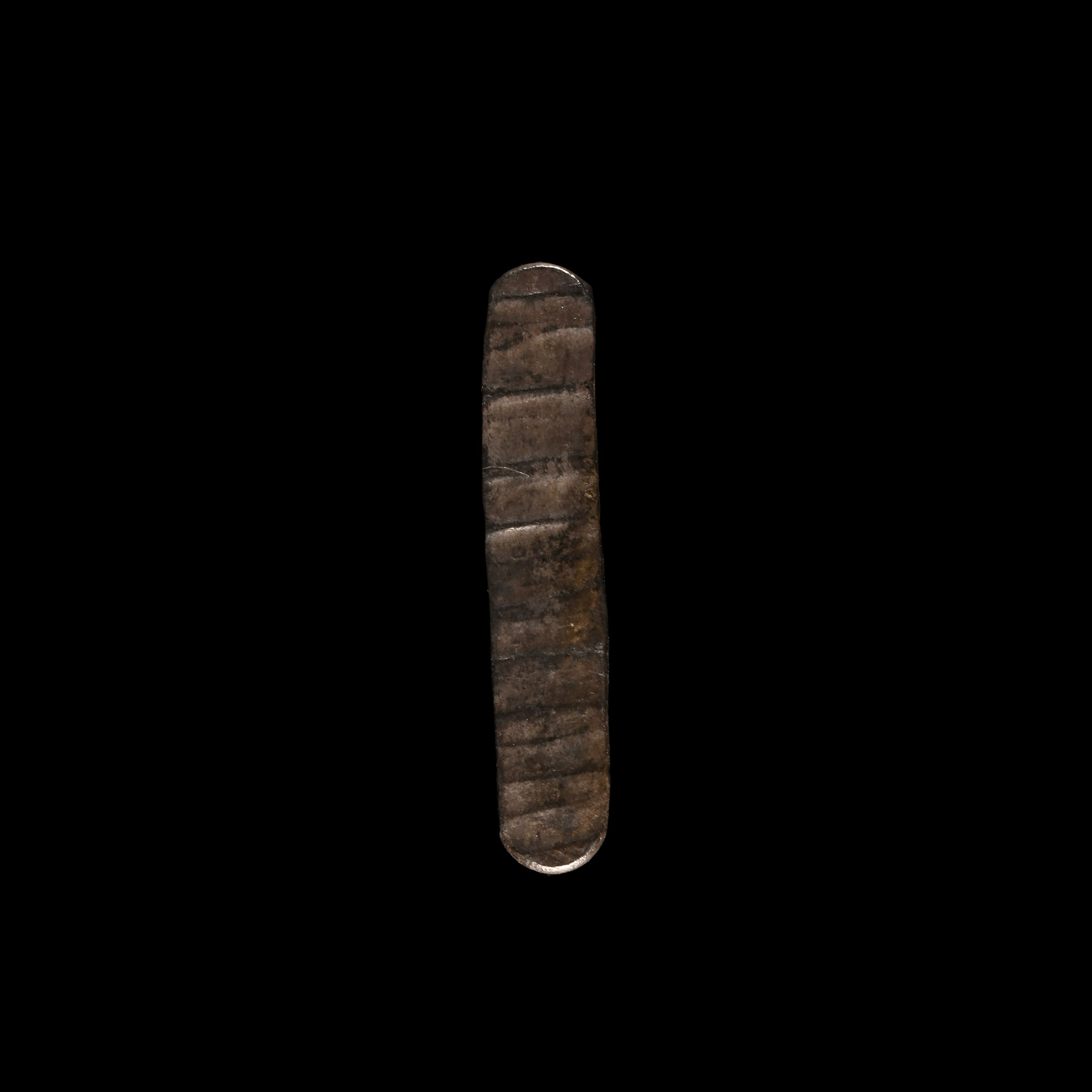
Viking Age Silver Trade Bar Ingot
CIRCA 9TH-11TH CENTURY A.D.
1 in. (1.58 grams, 27 mm).
Shaped as a rectangular bar with rounded ends, hammered flat creating a ribbed pattern. [No Reserve]
ProvenanceAcquired late 1980s-early 1990s.
Ex private collection, Nottinghamshire, UK.
Acquired on the UK art market in 2012.
Property of a Kent lady collector.
TimeLine Auctions follows a vetting process to ensure the authenticity and legality of all items, reinforcing our commitment to integrity and responsible trading. Each antiquity, antique, and coin lot undergoes thorough examination by a vetting committee of at least ten external specialists, professional trade association members, scientists, and archaeologists: Our Vetting Process
AUCTIONS:
TimeLine is a leading auction house specialising in antiquities, ancient art, collectables, natural history, coins, medals, and books. Our auctions offer museums, collectors, historians, and enthusiasts the opportunity to acquire unique and historically significant pieces.
-
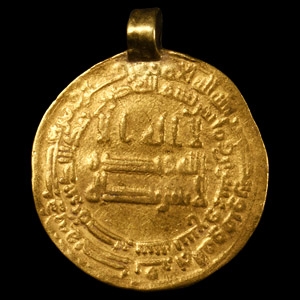
Viking Age Plundered Gold Abbasid Dinar Coin Pendant
9th-11th century A.D.Sold for (Inc. bp): £546
Formed from an Abbasid caliphate dinar coin with ribbed suspension loop above. 4.36 grams, 25 mm
Acquired 1970s. From a London, UK, collection. -
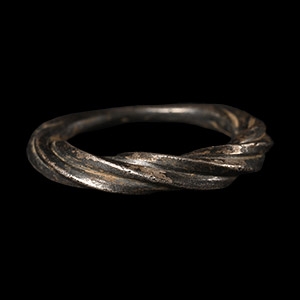
Viking Age Twisted Silver Ring
Circa 9th-11th century A.D.Sold for (Inc. bp): £260
With a tapering hoop composed of twisted rods hammered at the base. 6.70 grams, 28.12 mm overall, 20.46 mm internal diameter (approximate size British U 1/2, USA 10 1/4, Europe 23.15, Japan 22)
Ex North American private collection. Acquired privately on the European art market in the 1990s. Property of a Buckinghamshire, UK, gentleman. -
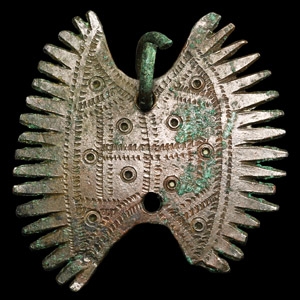
Viking Age Bronze Comb Pendant
9th-11th century A.D.Sold for (Inc. bp): £169
With segmented teeth to the edges of the lentoid plaque; ring-and-dot detailing, suspension loop. 23.2 grams, 53 mm
Acquired early 2000s. Property of a Stowmarket, UK, gentleman.
