
Loading, please wait...
LOT 1234
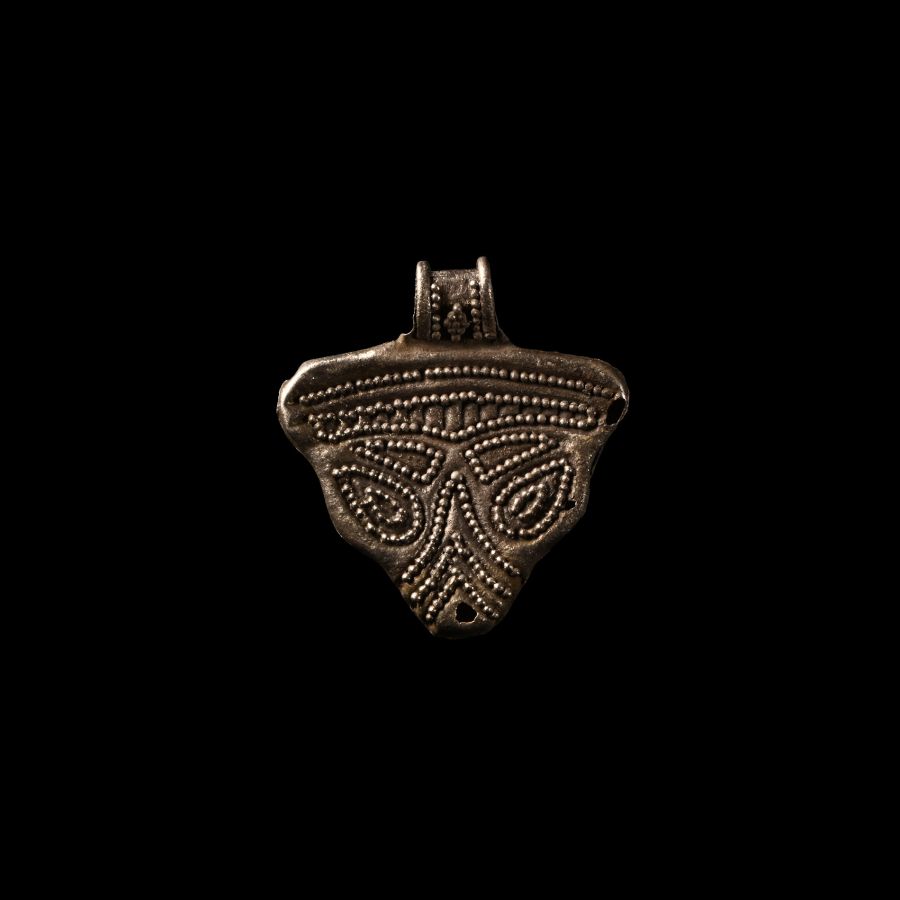
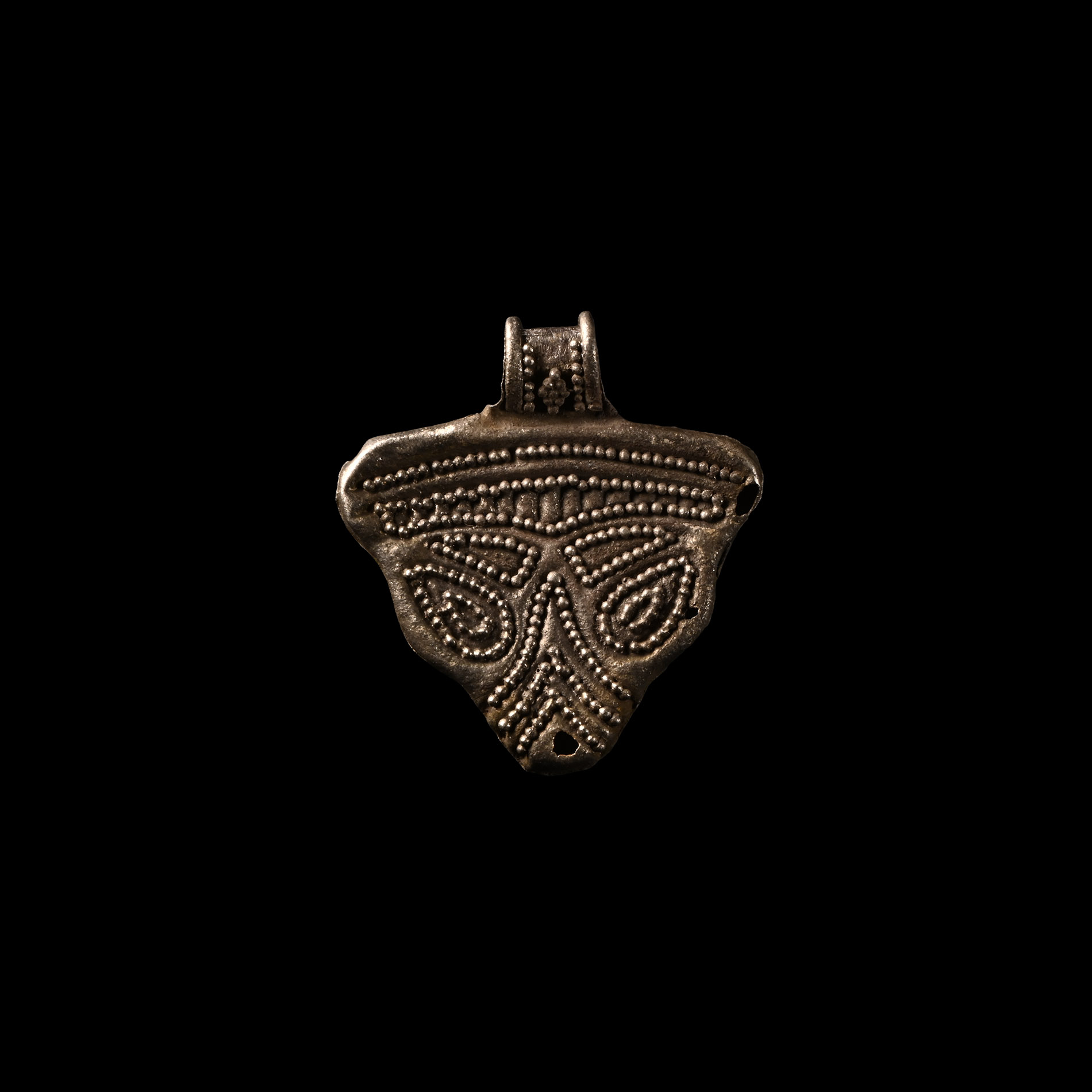
Viking Age Silver Filigree Wolf's Head Pendant
9TH-11TH CENTURY A.D.
1 in. (1.79 grams, 26 mm).
Of triangular form with integral suspension loop, the face delineated using granules to form almond-shaped eyes beneath eyebrows, concentric chevrons to the nasal line; applied granules and straps to the loop. [No Reserve]
ProvenanceAcquired on the German art market before 2000.
From a London W1, UK, collection.
TimeLine Auctions follows a vetting process to ensure the authenticity and legality of all items, reinforcing our commitment to integrity and responsible trading. Each antiquity, antique, and coin lot undergoes thorough examination by a vetting committee of at least ten external specialists, professional trade association members, scientists, and archaeologists: Our Vetting Process
AUCTIONS:
TimeLine is a leading auction house specialising in antiquities, ancient art, collectables, natural history, coins, medals, and books. Our auctions offer museums, collectors, historians, and enthusiasts the opportunity to acquire unique and historically significant pieces.
-
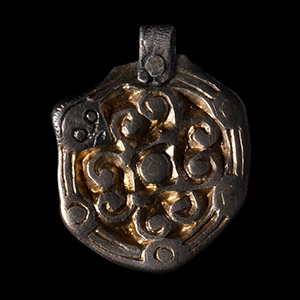
Viking Age Silver-Gilt Pendant with Face
9th-10th century A.D.Sold for (Inc. bp): £442
Displaying scroll decoration to the centre, a bearded male face to the rim, later silver attachment loop; remains of gilding to the centre. 3.2 grams, 21 mm
From the family collection of a London gentleman; formed in the late 1940s-1950s; thence by descent. -
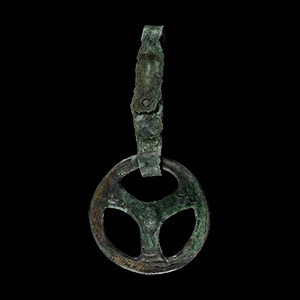
Viking Age Bronze Trefoil Strap Junction
9th-11th century A.D.Sold for (Inc. bp): £52
Composed of a slightly domed openwork body, the central arms with simple incised geometric detailing and central boss, free-running attachment bars above. 15.5 grams, 89 mm
From the collection of a North American gentleman, formed in the 1990s. -
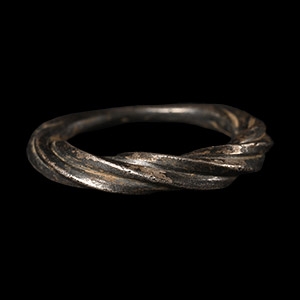
Viking Age Twisted Silver Ring
Circa 9th-11th century A.D.Sold for (Inc. bp): £260
With a tapering hoop composed of twisted rods hammered at the base. 6.70 grams, 28.12 mm overall, 20.46 mm internal diameter (approximate size British U 1/2, USA 10 1/4, Europe 23.15, Japan 22)
Ex North American private collection. Acquired privately on the European art market in the 1990s. Property of a Buckinghamshire, UK, gentleman.
